

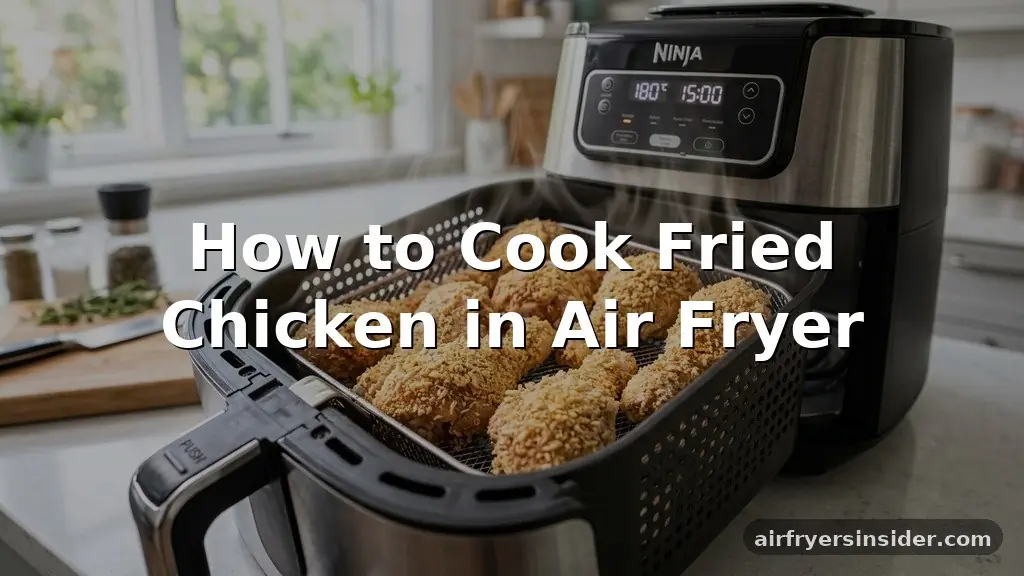
Learning how to cook fried chicken in air fryer allows you to achieve that elusive, satisfying crunch without the hassle of deep-frying in vats of oil. By leveraging high-speed convection cooking, you can transform simple poultry into a golden, succulent meal that rivals your favorite takeout.
Achieving the perfect texture requires balancing moisture, heat, and the right coating technique to ensure every bite is consistent. Whether you are a fan of juicy chicken thighs or prefer the classic appeal of drumsticks, mastering this appliance will change your weeknight dinner rotation for the better.
Understanding the Mechanics of Air Fryer Poultry
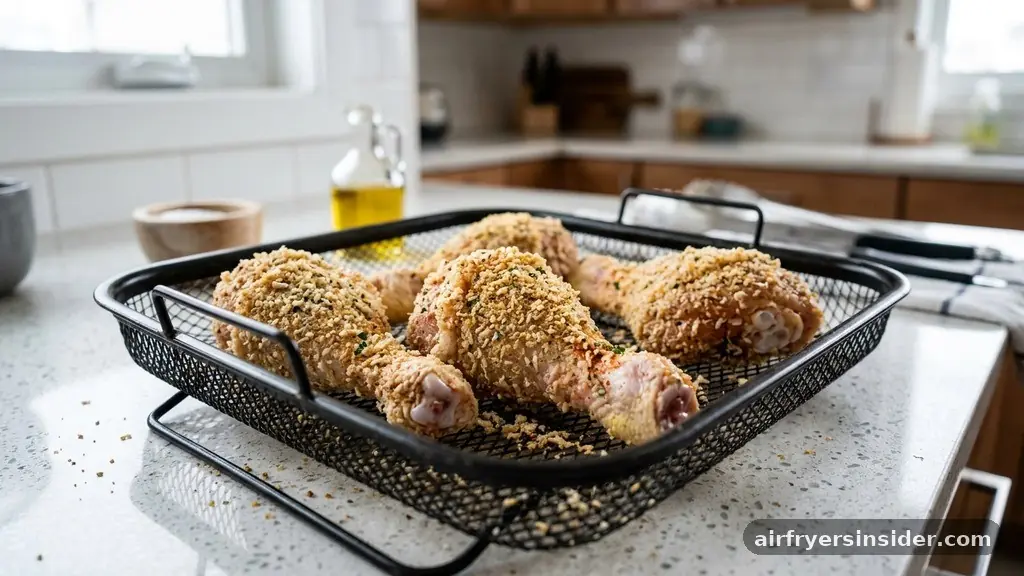
At its core, an air fryer is a miniature, high-powered convection oven. It works by circulating superheated air at high speeds around the food, which facilitates the Maillard reaction—the chemical process responsible for browning and flavor development.
When you are cooking fried chicken in air fryer, this rapid airflow is your greatest asset. Unlike traditional frying, where the chicken is submerged in oil, the air fryer relies on the rendering of fat from the skin and the crisping of your chosen breading.
The secret to success lies in the physics of heat distribution. Because the air is constantly moving, it creates a “wind chill” effect that dries the surface of the food rapidly, which is exactly what you want for a crispy crust. However, if the air cannot circulate freely, you end up with soggy patches.
This is why managing the volume of food in your basket is critical. By keeping the airflow unobstructed, you ensure that the heat hits all sides of the chicken simultaneously, creating a uniform, golden brown crust that provides the signature “snap” associated with excellent fried chicken.
Mastering the Breading Technique for Maximum Crunch
The breading is the soul of fried chicken, and in an air fryer, it needs to be robust enough to withstand the intense heat. A common mistake is using a batter that is too wet or thin, which will slide off before the crust has a chance to set.
Instead, opt for a dry-wet-dry method. Start by dredging your chicken in seasoned flour, dipping it into a buttermilk marinade, and finishing with a final coating of flour or panko breadcrumbs.
Cornstarch is an underrated secret weapon for achieving a lighter, airier crust. Mixing a small amount of cornstarch into your flour blend helps inhibit gluten development, which keeps the breading from becoming tough or doughy.
If you prefer a more substantial crunch, panko breadcrumbs are superior to standard breadcrumbs because their large, jagged structure creates more surface area for the hot air to hit. Always press the breading firmly onto the meat to ensure it adheres properly during the cooking process.
Selecting the Right Oil and Application Methods
While you aren’t deep-frying, you still need a small amount of fat to help conduct heat and facilitate browning. Choosing the right oil is essential because the air fryer can reach high temperatures quickly.
You should reach for oils with a high smoke point, such as avocado oil or refined coconut oil. These fats won’t break down or create bitter flavors even when the machine is pushed to its maximum temperature setting.
Using a spray bottle is the most efficient way to apply oil. Avoid using aerosol cooking sprays that contain propellants like soy lecithin, as these can leave a sticky, gummy residue on the non-stick coating of your air fryer basket over time. Instead, fill a reusable pump-style spray bottle with high-quality avocado oil.
A light, even mist over the top of the breaded chicken is sufficient to promote that beautiful golden color. Remember, you want a light sheen, not a pool of oil, to maintain the health benefits of this cooking method.
Optimizing Internal Temperature and Safety
Safety should always be your priority when handling poultry. The only way to guarantee your chicken is safe to eat while remaining juicy is to use a digital food thermometer.
Relying on visual cues or estimated cooking times is a recipe for disaster, as every air fryer model has a slightly different heating profile. You are looking for an internal temperature of at least 165 degrees Fahrenheit in the thickest part of the meat.
| Chicken Part | Estimated Time (Minutes) | Target Internal Temp |
|---|---|---|
| Chicken Drumsticks | 20-25 | 165°F |
| Chicken Thighs (Bone-in) | 25-30 | 175°F |
| Chicken Breasts (Boneless) | 15-18 | 165°F |
Thighs are generally more forgiving than breasts because they have a higher fat content, which keeps the meat moist even if you accidentally overcook it by a few minutes. If you are cooking bone-in pieces, aim for 175 degrees Fahrenheit; the extra heat helps break down the collagen in the connective tissues, resulting in a much more tender and flavorful bite. Always insert the thermometer into the thickest part of the meat, avoiding the bone, which can give a false temperature reading.
Managing Airflow and Preventing Overcrowding
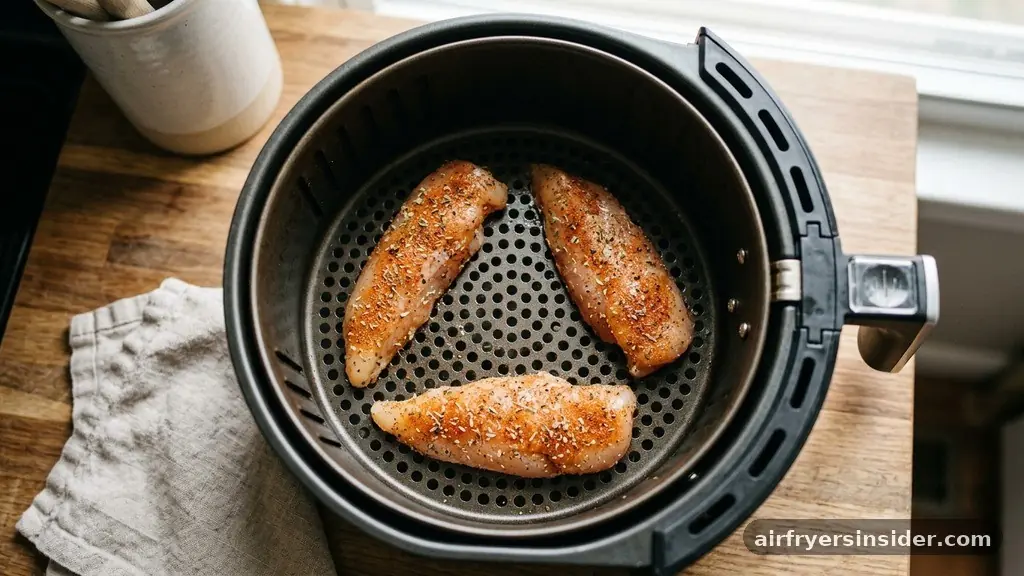
Overcrowding is the enemy of crispiness. When you pack the basket too tightly, the air cannot flow between the pieces of chicken, trapping steam instead of creating a crust.
This leads to uneven cooking and patches of unappetizing, pale, and soft skin. It is far better to cook your chicken in two smaller batches than to cram everything into the basket at once.
If you are struggling with cleanup or sticking, parchment liners can be a lifesaver. However, you must be careful.
Never place a liner in the basket while the unit is preheating without food on top of it, as the fan will blow the lightweight paper into the heating element, creating a fire hazard. Once the chicken is in place, the weight of the meat will hold the parchment down, allowing for easier cleanup without sacrificing the airflow required to get that perfect, crispy skin.
The Importance of Preheating and Preparation
Many home cooks skip the preheating step, but it is a critical component of achieving professional results. Preheating your air fryer for 3 to 5 minutes ensures that the chamber is at the target temperature the moment the food hits the tray. This immediate blast of heat is essential for searing the exterior of the breading, which locks in the juices and prevents the crust from absorbing too much oil.
Preparation also involves managing the surface moisture of your chicken. Before you begin the breading process, pat the meat dry with paper towels. Excess moisture on the surface of the chicken will create steam and prevent the flour or breading from forming a crisp shell.
If you are using a buttermilk marinade, make sure to let the excess liquid drip off completely before dredging it in your seasoned flour mix. This attention to detail prevents the breading from becoming gummy during the cooking process.
Refining Your Seasoning Blend and Flavors
A great seasoning blend is what separates mediocre home-cooked chicken from something truly memorable. While salt and pepper are the foundation, do not be afraid to experiment with spices that complement the high-heat environment of an air fryer. Garlic powder, onion powder, smoked paprika, and cayenne pepper are staples that perform well without burning.
If you prefer a more complex flavor profile, consider incorporating a dry rub into your flour mix. Herbs like dried oregano, thyme, or even a touch of brown sugar can add depth, provided the sugar content isn’t so high that it burns.
Keep in mind that air fryers are efficient at circulating aromas, so if you use highly aromatic spices, the entire kitchen will smell like your seasoning blend. Taste your dry rub before applying it to the chicken to ensure the balance of salt and spice is exactly where you want it.
Addressing Common Troubleshooting Issues
If you find that your fried chicken is not as crispy as you hoped, take a step back and analyze your process. Often, the issue is not the machine, but the moisture content. If you are using a wet batter, try switching to a dry coating or a very light egg wash.
Additionally, make sure you are using a spray bottle to apply oil halfway through the cooking time. A second, light mist can re-activate the browning process and help any dry flour spots turn golden.
Another common issue is the “flip” factor. While air fryers are designed to circulate air, the bottom of the chicken often stays paler than the top.
You should flip the chicken halfway through the cooking time to ensure that both sides receive equal exposure to the hot air. If you are using a rack insert, this can help elevate the chicken, allowing air to hit the bottom of the pieces more effectively, which often eliminates the need to flip entirely.
Topical Gaps: Addressing Specific Air Fryer Queries
Many readers ask about the difference between Celsius and Fahrenheit when following international recipes. Most air fryers default to Fahrenheit, but if your unit is set to Celsius, remember that 180°C is roughly equivalent to 350°F, and 200°C is approximately 400°F. Always double-check your conversion to ensure you aren’t accidentally burning your breading at too high a heat.
Another common gap is the use of frozen versus fresh chicken. Can you cook frozen chicken? Yes, but you must increase the cooking time by about 30 to 50 percent and lower the temperature slightly to ensure the inside cooks before the outside burns.
However, for the best results, always thaw your chicken completely in the refrigerator before seasoning. This provides the most consistent texture and ensures that your breading adheres properly, which is nearly impossible to achieve with icy, frozen meat.
Frequently Asked Questions
Why is my fried chicken not crispy in the air fryer?
The most likely culprit is overcrowding the basket, which prevents hot air from circulating. Ensure there is space between each piece of chicken. Additionally, make sure you pat the chicken dry before breading and apply a light mist of oil to the surface to encourage browning.
How long does fried chicken typically need to cook?
Cooking time varies based on the cut and size of the chicken pieces. Generally, bone-in chicken thighs or drumsticks require 20 to 30 minutes at 375°F. Always use a food thermometer to check that the internal temperature has reached at least 165°F to ensure it is fully cooked.
Do I need to flip the chicken during the cooking process?
Flipping the chicken halfway through the cooking cycle is highly recommended for an even, golden crust. It ensures that the side facing the bottom of the basket gets just as much heat and airflow as the top, preventing a soggy bottom and ensuring a uniform, professional finish.
Can I use parchment paper in my air fryer?
Yes, you can use parchment paper to make cleanup easier, but never place it in the basket during the preheat phase. The air current can lift the paper into the heating element, which is a fire hazard. Place the paper down only once you are ready to add the chicken.
Final Takeaways
Cooking fried chicken in an air fryer is a reliable way to enjoy a classic comfort food while maintaining control over your ingredients and cooking fat. By focusing on proper breading techniques, managing your airflow, and using a thermometer to verify the internal temperature, you can produce a meal that is consistently crispy and juicy. Whether you are experimenting with different dry rubs or refining your buttermilk marinade, the versatility of this appliance makes it a staple for any kitchen.
Start with a simple recipe, pay close attention to your oil application, and don’t be afraid to adjust your timing based on the specific thickness of your chicken cuts. Enjoy the process of crafting your own perfect, golden-brown chicken whenever the craving strikes.


