

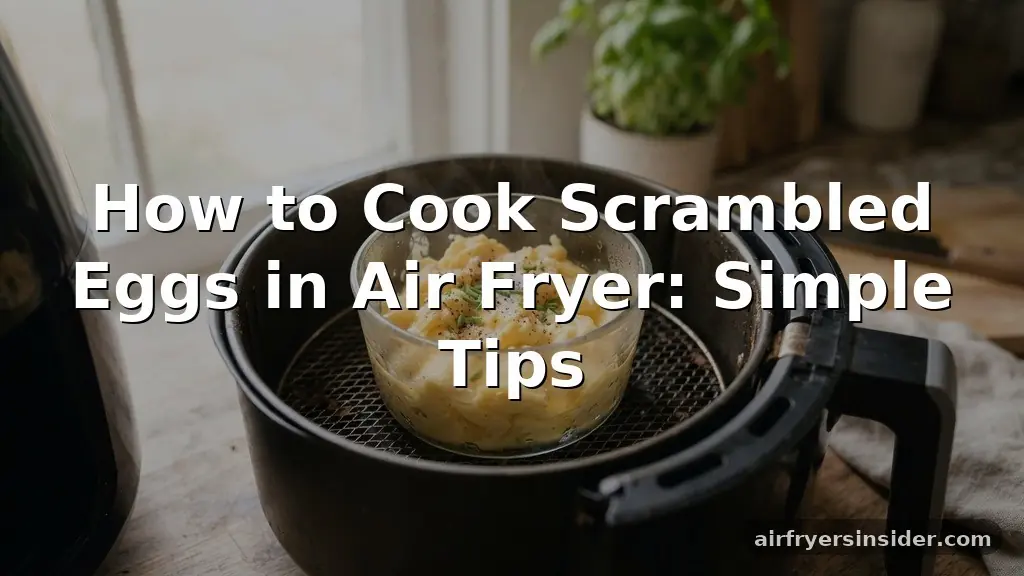
Learning how to cook scrambled eggs in air fryer setups might seem unconventional, but it offers a surprisingly efficient way to prepare breakfast without hovering over a stovetop. By leveraging the appliance’s unique convection technology, you can achieve a soft, fluffy texture that holds up well for busy mornings.
While traditional pan-frying remains a classic, mastering the air fryer method provides a hands-off alternative that minimizes cleanup and prevents the usual mess of splattering grease. Whether you are aiming for a quick meal or simply experimenting with your kitchen tools, this approach yields consistent, delicious results when you understand the specific nuances of managing heat and moisture in a small, enclosed chamber.
Understanding Convection Cooking for Eggs
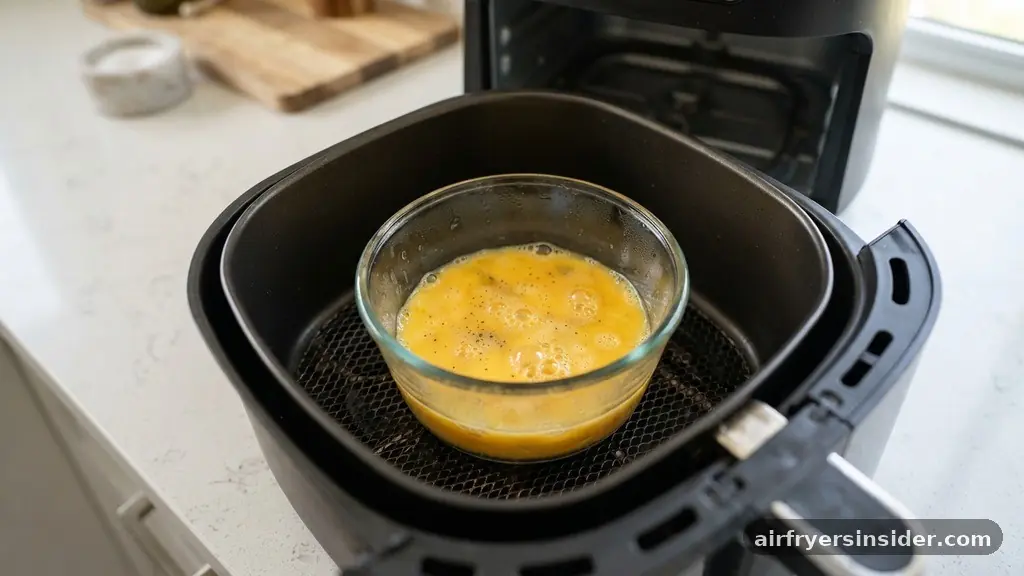
The air fryer is essentially a compact, high-powered convection oven. When you cook scrambled eggs in air fryer units, you are relying on rapid air circulation to distribute heat evenly around your chosen container.
Unlike a frying pan that applies direct conductive heat to the bottom of the eggs, the air fryer surrounds the dish with hot air. This process causes the proteins in the egg to denature and coagulate more uniformly, provided you don’t overcook them.
Because the air movement is so intense, it is critical to use a heat-resistant container. If you simply poured beaten eggs directly into the air fryer basket, the mixture would drip through the mesh and cause a significant mess.
Furthermore, the rapid airflow can dry out the edges of the eggs before the center is set. Using a vessel helps retain moisture and ensures the eggs cook through as a cohesive mass rather than dehydrating into tough, rubbery bits.
Choosing the Right Equipment
To successfully prepare your breakfast, your choice of equipment is just as important as the eggs themselves. You generally need an oven-safe dish that fits comfortably inside your air fryer basket without blocking the airflow entirely. A small, round cake pan, a silicone mold, or a glass ramekin works exceptionally well for this purpose.
Many home cooks prefer using a silicone mold because it is naturally non-stick and flexible, making it incredibly easy to remove the finished product. If you opt for a ceramic or glass ramekin, you must coat the interior thoroughly with non-stick spray or a thin layer of butter to prevent the eggs from bonding to the sides.
Regardless of the material, ensure it is labeled as heat-resistant. Placing your container on a small trivet or directly on the basket floor is standard, but always verify that your air fryer model supports the weight of the dish before starting.
Preparing the Egg Mixture Properly
The secret to fluffy, tender eggs lies in the preparation before they ever enter the machine. Start by cracking your eggs into a mixing bowl and adding a small amount of liquid, such as whole milk, heavy cream, or even a tablespoon of water. This moisture turns into steam during the cooking process, which keeps the eggs airy and light.
Whisking is the most important step for texture. You want to incorporate enough air into the beaten eggs to create a frothy consistency. Season the mixture with salt, pepper, or fresh herbs at this stage rather than adding them later.
If you want a richer flavor profile, whisk in a knob of melted butter. Avoid over-mixing, but ensure the yolks and whites are fully combined to prevent streaks of color in your final dish.
Mastering the Cooking Temperature and Time
Precision is key when working with high-heat appliances. For most recipes, setting your air fryer to 300°F to 320°F (150°C to 160°C) is the sweet spot.
Cooking at a lower temperature prevents the eggs from puffing up too quickly and becoming dry or rubbery. If the temperature is too high, the outside will set instantly while the center remains raw, leading to an uneven texture.
Cooking time typically ranges between 6 to 10 minutes, depending on the wattage of your specific model. Because air fryers vary in power, it is wise to start checking the internal temperature or consistency around the 5-minute mark.
You are looking for the eggs to be just set but still slightly moist. Remember that the residual heat in the container will continue to cook the eggs for a minute or two after you pull them out of the machine.
Preventing Splatter and Mess
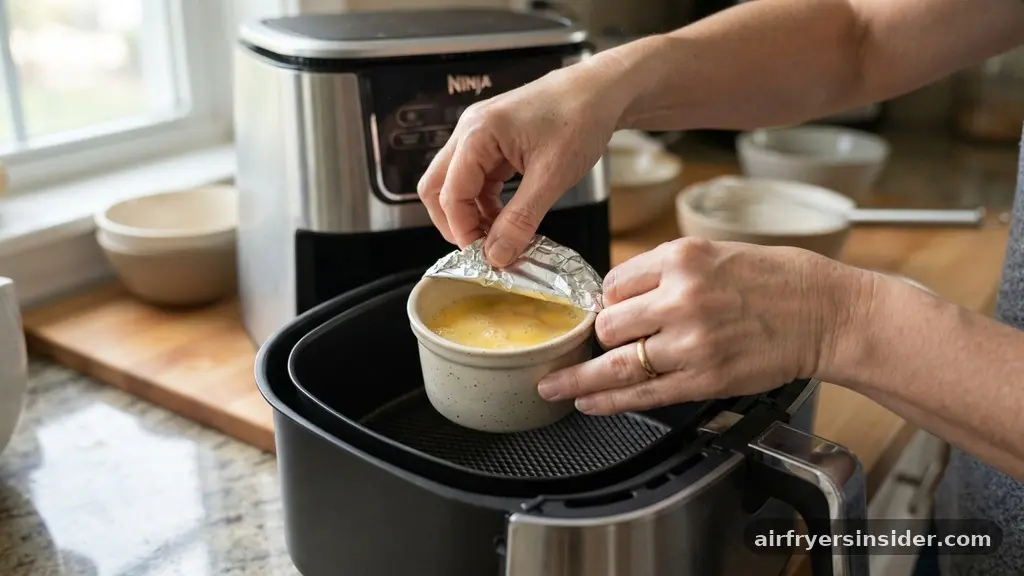
One common frustration when cooking eggs in an air fryer is the potential for splatter. Because the fan moves air at such high speeds, light droplets of egg can be blown against the heating element if the container is too full or if the mixture is too thin. To combat this, never fill your ramekin or mold more than two-thirds of the way to the top.
If you are worried about the mess, you can lightly cover the top of your container with a small piece of parchment paper or aluminum foil. If using foil, ensure it is crimped tightly around the edges so the fan doesn’t lift it up and blow it into the heating element. This simple barrier prevents the eggs from spraying the interior of your air fryer while still allowing the heat to penetrate the container effectively.
Comparing Cooking Methods
Choosing between cooking methods often comes down to your priorities regarding texture, time, and cleanup. The following table highlights how the air fryer compares to traditional stovetop methods for busy mornings.
| Feature | Air Fryer Method | Stovetop Method |
|---|---|---|
| Cleanup | Minimal (one container) | High (pan and spatula) |
| Hands-on Time | Very Low | High (requires stirring) |
| Texture | Uniform, firm, set | Creamy, loose, soft |
| Fat Required | Minimal | Moderate (butter/oil) |
Troubleshooting Common Issues
Even with the best instructions, you might encounter a few hurdles. If your eggs come out rubbery, you are likely using too high a heat or leaving them in for too long.
Try reducing the temperature by 10 degrees next time or pulling the container out slightly earlier. If the middle is still liquid while the edges are firm, try stirring the eggs halfway through the cooking time.
Another issue involves the eggs sticking to the sides of the container. While silicone molds are usually helpful, sometimes the protein denaturation process causes the eggs to grip the walls.
Always ensure you have a generous coating of oil or butter. If you find the eggs are too bland, consider adding shredded cheese or diced vegetables, but keep in mind that added ingredients will increase the total cooking time needed to ensure everything is cooked through.
Topical Gaps: Addressing Specific User Queries
Many users ask if they can achieve an omelet style in the air fryer. The answer is yes; by using a wider, flatter container, you can cook a thin layer of eggs that sets like a delicate omelet. You can fold it over once it is cooked.
Another common question involves the use of parchment paper. While you can line a container with parchment paper to make cleanup effortless, do not place parchment paper directly on the bottom of the air fryer basket without a heavy weight on top, as the fan will blow it into the heating element, creating a fire hazard.
Regarding the Ninja air fryer specifically, many users find that the “Air Bake” or “Roast” settings work better than the standard “Air Fry” setting for eggs. These settings often have slightly less aggressive fan speeds, which is ideal for delicate foods like eggs.
If your unit has these options, experiment with them to see if you prefer a gentler heat. Always prioritize food safety by ensuring the eggs reach an internal temperature of at least 160°F to eliminate any risk of salmonella.
Essential Tips for Success
To maintain the best quality, always use fresh eggs. The older the egg, the more the proteins break down, which can result in a watery mess regardless of your cooking method. If you are cooking for a crowd, do not try to double the batch in one container.
The center will remain raw while the edges burn. Instead, use multiple smaller ramekins and cook them in batches.
- Use room-temperature eggs for more even cooking throughout the dish.
- Whisk the eggs thoroughly to ensure the protein denaturation is uniform.
- Always preheat your air fryer for 3 minutes before inserting the eggs to ensure consistent heat.
- Avoid using metal utensils inside your air fryer basket to prevent scratching the non-stick coating.
- Let the eggs rest for one minute after removing them from the air fryer to finish setting.
FAQ Section
Can I cook scrambled eggs in an air fryer without a pan?
No, you should never cook raw, beaten eggs directly on the air fryer basket mesh. The mixture will drip through, creating a significant mess and potential fire hazard. Always use an oven-safe, heat-resistant container like a ramekin or a silicone mold to hold the eggs.
What is the ideal internal temperature for air-fried eggs?
For food safety, your scrambled eggs should reach an internal temperature of 160°F (71°C). This ensures that the eggs are fully cooked and safe to consume, while still maintaining a pleasant, fluffy texture. Use a digital meat thermometer to check the center of the eggs quickly.
Why do my air-fried eggs turn out rubbery?
Rubbery eggs are usually caused by excessive heat or overcooking. The air fryer’s convection fan circulates hot air very efficiently, which can dehydrate eggs quickly. Try lowering your temperature to 300°F and reducing the cooking time, or add a splash of milk or cream to keep them moist.
Is it necessary to stir the eggs during the cooking process?
Stirring is optional but recommended if you want a texture closer to traditional stovetop scrambled eggs. By stirring halfway through the cooking time, you break up the set edges and allow the raw center to contact the hot container, resulting in a more uniform, curd-like consistency.
Conclusion
Mastering the art of cooking scrambled eggs in air fryer setups opens up a convenient new way to handle breakfast duties. By focusing on the right container, proper whisking, and careful temperature control, you can produce a consistent meal that fits perfectly into a busy morning routine. This method highlights how modern kitchen technology can simplify basic tasks while keeping your cleanup minimal.
Experiment with different seasonings and dairy additions to find your preferred texture, and enjoy the ease of a hands-off cooking experience. With a little practice, your air fryer will quickly become your go-to tool for perfectly prepared eggs every time you need a quick, reliable breakfast.
Meta Description: Learn how to cook scrambled eggs in air fryer with this guide. Discover the best temperatures, equipment, and tips for fluffy, mess-free breakfast results.


