

Mastering the art of reheating chicken cutlets in air fryer units ensures your leftovers taste just as good, if not better, than the day they were cooked. The combination of rapid convection and precise temperature control makes this appliance the gold standard for reviving breaded proteins.
By following a few simple techniques, you can maintain the perfect balance between a golden, crunchy exterior and tender, juicy meat. This process avoids the soggy results often associated with microwaves, allowing you to enjoy your meal without compromising on texture or quality.
The Science of Air Fryer Reheating
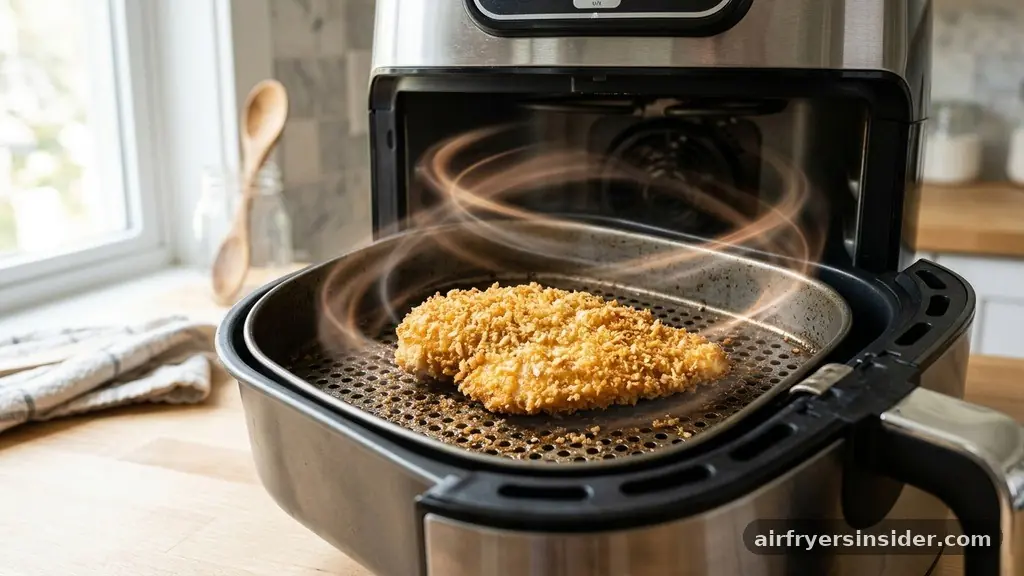
The primary reason air fryers excel at reviving leftover chicken cutlets is their unique heating mechanism. Unlike a conventional oven that relies on radiant heat and ambient air, an air fryer uses a powerful fan to circulate hot air at high speeds.
This intense air circulation is what restores the crispiness of the breading while effectively warming the center of the cutlet. When you properly manage the environment inside the basket, the moisture trapped within the meat remains intact, preventing the common issue of dehydration.
Understanding how convection works is key to achieving consistent results. As the hot air moves rapidly around the food, it creates a crisp shell on the outside of the breaded crust.
Because the cooking chamber is relatively small, the heat is concentrated, reducing the time required to bring the internal temperature of the meat to a food-safe level. This efficiency is why many professional kitchens now consider the air fryer an indispensable tool for handling small batches of breaded poultry.
Preparing Your Cutlets for the Best Results
Before you even turn on your appliance, a few preparatory steps can significantly impact the final texture of your meal. First, ensure your leftover chicken cutlets have reached room temperature if possible, though this is not strictly necessary.
If you have been storing them in the refrigerator, pulling them out about ten minutes before you plan to reheat them helps the heat penetrate the center more evenly. This prevents the edges from burning while the middle remains cold.
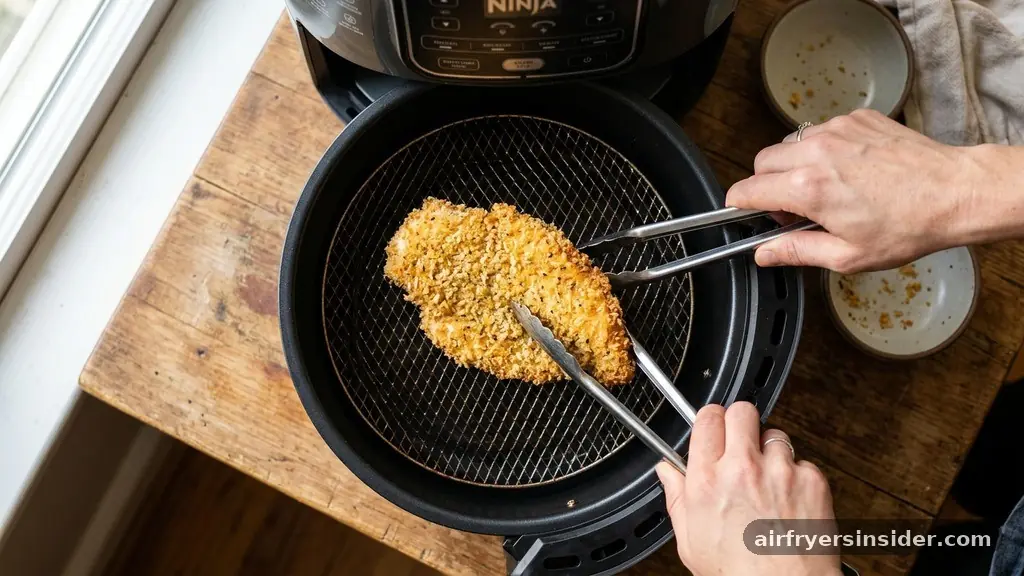
Another critical factor is the arrangement of the food. You should always aim to place your cutlets in a single layer within the air fryer basket. Overlapping pieces creates unevenly heated portions because the air cannot circulate freely around all surfaces.
If you have a large batch, it is far better to work in two separate rounds than to crowd the basket. Using a light coating of oil can also help; a quick spritz of olive oil spray helps re-hydrate the breading and encourages a fresh, golden-brown finish.
Optimal Temperature and Timing
Achieving the perfect reheat requires balancing speed with care. The goal is to warm the meat through without overcooking it, which would lead to a rubbery texture.
Most enthusiasts find that the optimal temperature for this task is around 350°F to 375°F. At this range, the heat is high enough to crisp the exterior but gentle enough to avoid drying out the interior.
Timing depends heavily on the thickness of your cutlets. A standard, thin chicken cutlet usually requires between three and five minutes to reach an ideal temperature.
If you are working with thicker, bone-in pieces, you might need to extend that time slightly, but always keep a close watch. Consistency is vital, so consider these techniques:
- Preheat your air fryer for three minutes to ensure the chamber is at the target temperature immediately.
- Use a light mist of oil to restore the sheen of the breading.
- Flip the cutlets halfway through the cooking cycle to ensure even air exposure.
- Check the internal temperature with a meat thermometer to ensure it reaches at least 165°F.
- Let the cutlets rest for one minute after removing them to allow the heat to stabilize.
Addressing Moisture Retention
One of the biggest complaints about reheating fried foods is that they lose their succulence. To combat this, moisture retention is your priority.
If you find your specific air fryer tends to run very hot or dry, you can use the water trick: placing a small, heat-safe dish with a teaspoon of water at the bottom of the basket or beneath the tray. This creates a very subtle steam environment that prevents the breading from becoming brittle while the meat stays tender.
Additionally, be mindful of the breading type. Panko breadcrumbs are particularly susceptible to burning, so if you are reheating a schnitzel or a heavily breaded cutlet, lower the temperature to 330°F and increase the time by a minute or two.
This gentler approach ensures the crumbs toast slowly rather than charring. If the cutlet seems particularly dry, brushing a tiny amount of melted butter or oil on top before heating can provide the necessary fat to keep the exterior appetizing.
Tips for Different Cutlet Varieties
Not all chicken cutlets are created equal. Depending on the seasoning, breading, and thickness, you may need to adjust your approach. For example, a classic Italian-style cutlet with parmesan and herbs can withstand higher heat, whereas a delicate almond-crust or a thin chicken breast might require more caution to avoid burning the outer coating.
| Cutlet Type | Recommended Temp | Estimated Time |
|---|---|---|
| Thin Breaded Cutlet | 375°F | 3-4 Minutes |
| Thick/Stuffed Cutlet | 350°F | 6-8 Minutes |
| Panko-Crusted | 340°F | 4-5 Minutes |
| Gluten-Free/Nut Crusted | 330°F | 4 Minutes |
When dealing with leftover chicken that was previously frozen, you can skip the thawing process entirely if you are in a rush. Simply increase your reheating time by approximately 50 percent and monitor the internal temperature closely. While fresh-chilled leftovers will always have a superior texture, the air fryer is surprisingly capable of handling frozen items without sacrificing too much quality.
Solving Topical Gaps in Reheating Methods
Many users wonder if they should add extra breading before reheating. Generally, the answer is no; adding more breading often leads to a messy, uneven layer that doesn’t adhere well.
Instead, focus on the existing crust. If the cutlet has lost its structural integrity, it is better to serve it sliced on top of a salad or in a wrap where the texture matters less.
Another common gap in knowledge concerns the use of aluminum foil. While foil can prevent burning in some cooking scenarios, it is counterproductive when reheating in an air fryer. Foil blocks the airflow, which is the very thing that makes the air fryer effective.
If you are worried about the breading burning, simply lower the temperature rather than covering the food. If you must use a liner, ensure it is a perforated parchment paper designed for air fryers to maintain proper air circulation.
Ensuring Food Safety Standards
Food safety is paramount when dealing with leftovers. Bacteria can grow rapidly in the “danger zone” between 40°F and 140°F.
When storing your chicken, ensure it was refrigerated within two hours of the initial cooking. When reheating, you must ensure the internal temperature reaches 165°F to kill any potential pathogens that may have developed during storage.
Using a reliable digital meat thermometer is the only way to be certain. Do not rely on touch or appearance, as the exterior might feel hot while the center remains cool. If you are reheating several pieces at once, check the thickest part of the largest cutlet.
If it hits the target temperature, the others are almost certainly ready. Never reheat the same portion of chicken more than once; if you don’t plan to eat it, discard it to avoid the risk of foodborne illness.
Common Mistakes to Avoid
Even experienced home cooks can fall into traps when using an air fryer. One of the most frequent errors is neglecting to clean the basket between uses.
If there are old crumbs or grease at the bottom from a previous meal, they will burn and produce smoke, which can impart an acrid flavor to your perfectly good chicken cutlets. Always wipe the basket clean or use a fresh liner.
Another mistake is using too much oil. While a light spray is beneficial, drenching the cutlet will lead to a greasy, heavy result that feels weighed down. A light, even mist is all that is required to reactivate the crunch.
Finally, don’t ignore the importance of preheating. Throwing cold food into a cold air fryer forces the machine to work harder and longer, which inevitably leads to the meat drying out before the exterior becomes crisp.
Maximizing Your Leftover Potential
Once you have mastered the technique of reheating chicken cutlets in air fryer, you will find that your leftovers become a versatile component of your weekly meal plan. A perfectly reheated cutlet can be sliced into strips for a high-protein topping on grain bowls, chopped into a Caesar salad, or served alongside roasted vegetables. Because the texture is preserved, these meals won’t feel like “leftovers” at all.
Consider pairing your reheated chicken with a fresh sauce. A bright lemon-caper sauce, a spicy aioli, or a simple marinara can bring new life to a piece of meat that has already been cooked once.
By keeping a few reliable sauces in your refrigerator, you can turn a simple reheated cutlet into a gourmet-style dinner in under ten minutes. The efficiency of the air fryer allows you to spend less time in the kitchen while still enjoying high-quality, delicious meals throughout the week.
Frequently Asked Questions
How long should I reheat chicken cutlets in an air fryer?
For most standard-sized, breaded chicken cutlets, three to five minutes at 350°F to 375°F is sufficient. Always monitor the progress closely, as thinner pieces will heat faster than thicker ones. Using a meat thermometer to ensure an internal temperature of 165°F is the safest way to judge.
Can I reheat chicken without it becoming dry?
Yes, the key is to avoid overheating the meat. Preheat your unit, avoid overcrowding the basket, and use a light mist of oil to keep the breading moist. If you are worried about dryness, you can place a tiny splash of water in the bottom of the basket.
Is it better to use an air fryer or an oven for reheating?
An air fryer is generally superior for reheating breaded items because the high-speed convection air restores the crunch of the breading much faster than a standard oven. Ovens can take longer, which often leads to the meat drying out before the exterior achieves the desired crispiness.
Should I thaw frozen cooked chicken before air frying?
You do not need to thaw it, though it can help with even heating. If you choose to skip the thawing process, simply increase the reheating time by about 50 percent. Keep the temperature slightly lower to ensure the center reaches 165°F without burning the outside breading.
Final Thoughts on Reheating
Successfully reheating chicken cutlets in air fryer units is a straightforward process when you understand the importance of air circulation and temperature management. By focusing on maintaining moisture and ensuring the meat reaches a safe internal temperature, you can transform what might have been a lackluster leftover into a crispy, satisfying meal. Remember to preheat, avoid overcrowding the basket, and use a light touch with oil to achieve that signature golden crunch.
With these habits in place, you will find that your air fryer is an essential tool for reducing food waste and enjoying high-quality meals on your own schedule. Keep your thermometer handy, watch your timing, and enjoy the convenience of perfectly restored leftovers.
Meta Description: Learn how to reheat chicken cutlets in air fryer perfectly. Discover professional tips for maintaining moisture, crispiness, and food safety every time.


