

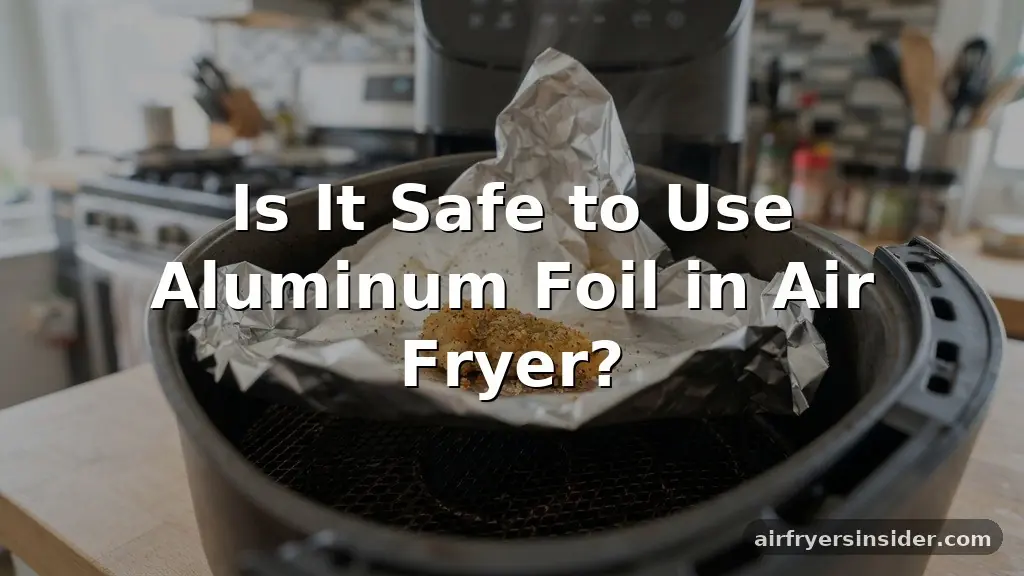
Deciding whether it’s safe to use aluminum foil in an air fryer often comes down to understanding how your specific appliance circulates heat. While many manufacturers suggest that foil is acceptable, improper placement can disrupt airflow or even trigger internal safety mechanisms.
You want to keep your basket clean and minimize scrubbing, but you also need to ensure that your food cooks evenly and doesn’t pose a fire risk. By following a few simple precautions, you can enjoy the convenience of easier cleanup without compromising the performance of your kitchen appliance or the safety of your meals.
Understanding the Basics of Air Fryer Airflow
The primary mechanism that makes an air fryer effective is the rapid circulation of hot air. Unlike a traditional oven that relies on radiant heat from elements, an air fryer uses a powerful fan to blast hot air around the food.
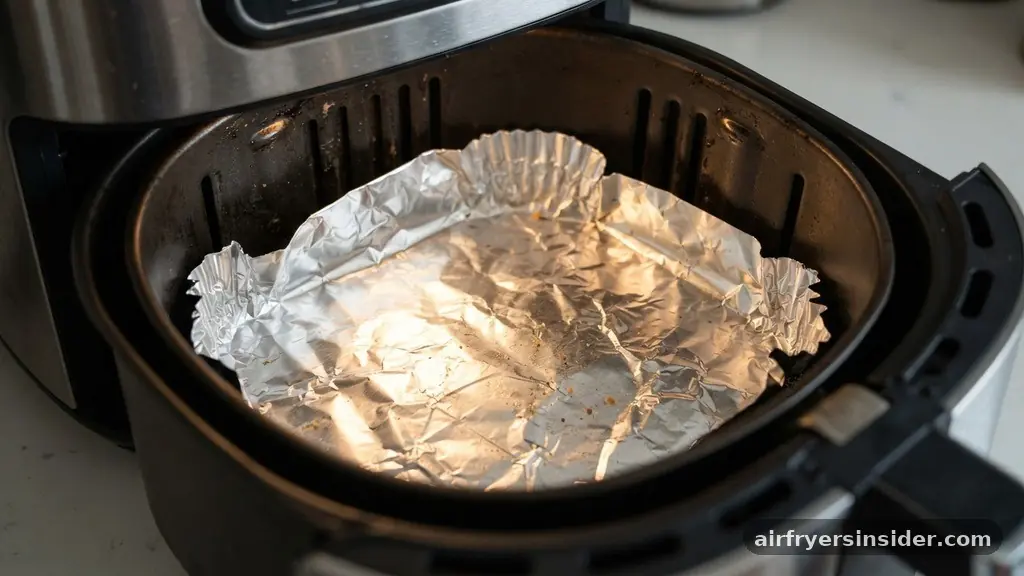
When you place a sheet of foil inside the basket, you are essentially creating a physical barrier that can impede this movement. If the foil is too large or not weighed down by food, the fan might lift the edges, potentially causing the material to come into contact with the heating element.
This interaction is why you should always ensure the foil stays securely at the bottom of the basket. If you cover the entire base of the air fryer, you might accidentally block the ventilation holes, leading to uneven cooking results. The goal is to facilitate airflow while protecting the basket from drips and grease.
When you use foil, it should only cover the area directly beneath the food, leaving plenty of space around the sides for the air to cycle through effectively. This balance is key to achieving that signature crispy texture that defines air-fried dishes.
Critical Safety Guidelines for Foil Usage
To use foil safely, you must prioritize the integrity of the heating element above all else. The most significant danger involves the foil becoming lightweight enough to be sucked up toward the top of the unit. This can lead to a short circuit or a fire if the metal touches the coils.
To avoid this, always place a sufficient amount of food on top of the foil to act as an anchor. Never line the basket with foil when you are preheating the device, as there is no food to weigh it down, and the draft from the fan will almost certainly move it around.
Another important rule involves the type of food you are cooking. Acidic ingredients, such as those seasoned with citrus juices, vinegar, or tomato-based sauces, can react with the aluminum. This chemical interaction may cause the foil to degrade or leach metallic flavors into your dinner.
If you are working with these ingredients, it is best to skip the foil entirely or use a heat-safe silicone mat or parchment paper instead. Being mindful of these interactions helps preserve both the quality of your ingredients and the longevity of your non-stick basket coating.
When to Avoid Using Foil
There are specific scenarios where using aluminum foil is simply not the right choice for your cooking process. If you are preparing foods that release significant amounts of liquid, such as fatty meats or certain frozen items that produce a lot of grease, the foil might pool the fat.
This can create a messy situation where the hot oil splashes around, or worse, creates a smoke hazard. In these cases, a perforated silicone rack or a dedicated air fryer liner is often a superior option because it allows the excess grease to drain away from the food.
Furthermore, avoid using foil if your air fryer manufacturer explicitly states against it in the user manual. Some models have specialized basket designs where airflow is integrated through the bottom, and covering these ports will significantly reduce the efficiency of the machine.
If you notice that your food is coming out soggy or taking much longer than expected to cook, the foil is likely obstructing the necessary convection currents. Removing the barrier often solves these performance issues immediately, allowing the machine to work as intended.
Comparing Methods for Cleaner Cooking
Choosing the right liner depends on the dish you are preparing and your specific goals for the meal. While aluminum foil is excellent for containing mess, it isn’t always the most versatile tool. Below is a breakdown of how different materials compare when used in an air fryer environment.
| Material | Best Used For | Pros |
|---|---|---|
| Aluminum Foil | Baking, reheating, messy foods | Cheap, heat-resistant, easy to shape |
| Parchment Paper | Cookies, delicate items | Non-stick, prevents burning, easy cleanup |
| Silicone Mats | General cooking, roasting | Reusable, eco-friendly, dishwasher safe |
As indicated in the table, your choice of liner should align with the cooking task. Parchment paper is often preferred for baking because it doesn’t conduct heat as aggressively as metal, which can prevent the bottom of your cookies or pastries from over-browning.
Silicone mats offer a reusable advantage that saves money over time, though they must be specifically designed for high-heat air fryer use to avoid melting or off-gassing. Always check the temperature rating on any accessory you put inside your appliance.
Alternatives to Aluminum Foil
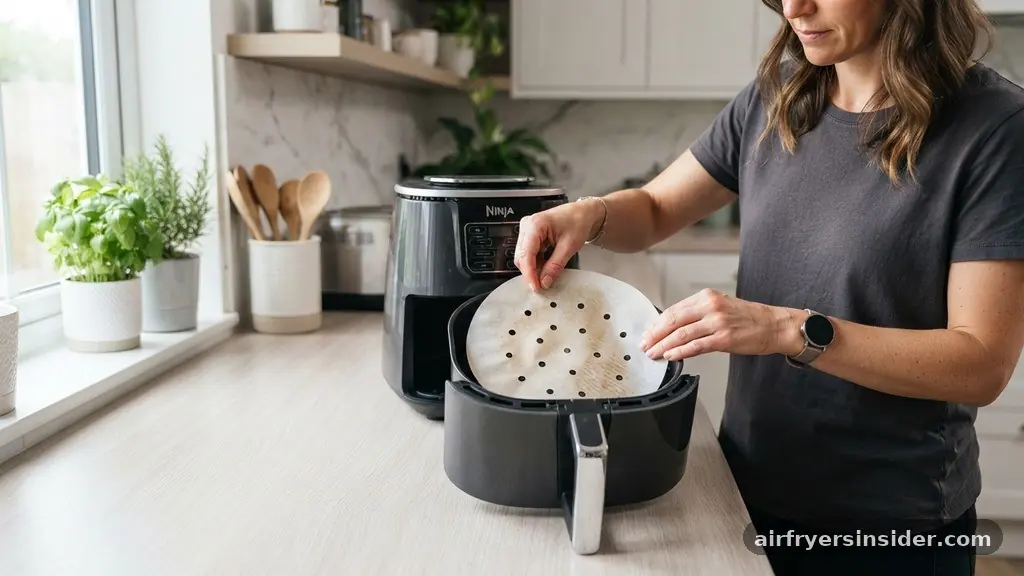
If you find that foil causes too many issues, there are several effective alternatives to explore. Perforated parchment paper liners are specifically designed for air fryers; they feature holes that allow air to pass through while still catching the majority of the crumbs and grease.
These are incredibly convenient and eliminate the need for cutting or shaping standard sheets of foil. They provide a balance between protection and airflow that is hard to beat for quick weeknight meals.
Silicone inserts are another popular choice for those looking to reduce waste. These inserts can be washed repeatedly and are usually made from food-grade, heat-resistant silicone that can withstand temperatures up to 450°F. Because they are molded to fit the shape of the basket, they often stay put better than a sheet of flimsy foil.
Some people also prefer to use no liner at all, opting to simply soak the basket in warm, soapy water for a few minutes after cooking. This approach is the most environmentally friendly and ensures that no foreign materials interfere with the cooking process.
Direct Cooking: When to Skip the Liner
For many foods, the best approach is to skip the liner entirely and cook directly on the basket surface. When you are air frying items like chicken wings, vegetables, or fries, direct contact with the hot air is essential for achieving that crispy, golden exterior.
Liners can sometimes act as a dampener, trapping steam underneath the food and resulting in a softer texture than you might desire. By placing your ingredients directly on the basket rack, you maximize the exposure to the high-velocity air.
Cooking directly also allows the grease to drip away from the food, which is a major factor in reducing the overall calorie count of the meal. If you are worried about cleanup, consider using a high-quality non-stick spray or brushing the basket with a tiny amount of oil before you start.
Keeping the basket clean is much easier if you wipe it down while it is still warm, rather than letting the residue sit and harden. If you do encounter stubborn bits of food, a soft nylon brush will usually remove them without damaging the coating of your air fryer.
Addressing Common Topical Gaps
One question that often arises is whether using foil affects the cooking time of the food. Because foil is a metal, it heats up quickly and can potentially conduct heat directly to the bottom of your food.
While this might seem like a benefit, it can lead to burnt bottoms or unevenly cooked centers if the top of the food isn’t receiving enough heat. If you choose to use foil, you may need to adjust your cooking time slightly or lower the temperature by about 25 degrees to compensate for the additional heat transfer.
Another gap in common advice is the issue of chemical reactions with certain foods. Beyond the common concern about citrus juices, there is also the matter of salt. High-salt environments can accelerate the degradation of the foil, leading to tiny particles of aluminum potentially transferring to your food.
While the health risks associated with trace aluminum intake from foil are generally considered low, those who are particularly concerned about dietary habits might prefer parchment or silicone for long-term use. Being aware of these variables allows you to make informed decisions that suit your personal health and cooking preferences.
Maintaining Your Air Fryer Hardware
The longevity of your air fryer depends on how well you treat the interior components. Using abrasive tools to scrub off residue after using foil can scratch the non-stick coating, which will cause food to stick even more in the future.
If you notice that your foil has left behind any residue or if the heat has caused the foil to fuse slightly to the basket, do not use metal utensils to pry it off. Instead, soak the basket in warm water and use a soft sponge to gently lift the debris.
Regular maintenance also involves checking the heating element and the fan for any buildup of grease or debris. Even if you are careful with your foil usage, small particles can sometimes be carried up by the air current. Once every few weeks, perform a deep clean of the internal chamber.
Ensuring the fan is free of obstruction is vital for the safety of the device. If the fan is clogged, the motor has to work harder, which can lead to overheating and premature failure of the appliance.
Best Practices for Consistent Results
To achieve the best results, consistency is key. Whenever you decide to use a liner, ensure that the food is arranged in a single layer.
Overcrowding the basket is the most common mistake made by home cooks, and adding a liner to an overcrowded basket only makes the problem worse by further restricting air movement. If you have a large amount of food, it is always better to cook in smaller batches rather than trying to fit everything in at once with a liner covering the base.
Finally, remember that your air fryer is an appliance that benefits from trial and error. If you find that using foil works perfectly for your specific model and the types of food you enjoy, there is no reason to abandon the practice, provided you follow the safety rules.
Simply keep an eye on how your food turns out and be willing to adjust your methods. Whether you use foil, parchment, or no liner at all, the ultimate goal is to create delicious, crispy meals in a safe and efficient manner.
FAQ
Is it safe to use aluminum foil in an air fryer?
Yes, it is generally safe as long as you follow key precautions. Always ensure the foil is weighed down by food so it doesn’t fly into the heating element, and keep it from blocking the airflow vents to ensure proper circulation and safe operation.
Can I use aluminum foil to line the bottom of my air fryer?
You can, but it is not always recommended. Lining the entire base can block airflow and lead to uneven cooking. It is safer to use a piece of foil that is slightly smaller than the basket or to use perforated parchment paper designed for the appliance.
What happens if aluminum foil touches the air fryer heating element?
If foil touches the heating element, it can cause a short circuit or start a fire. The fan inside the air fryer can lift loose foil, so always place your food on top of the foil to anchor it firmly against the bottom of the basket.
Are there better alternatives to aluminum foil for air fryers?
Yes, perforated parchment paper liners and reusable silicone mats are excellent alternatives. They are specifically designed to allow air to circulate while keeping the basket clean, often providing better cooking results than standard aluminum foil while being easier to manage.
Conclusion
Using aluminum foil in your air fryer is a convenient way to keep your appliance clean, provided you follow the necessary safety protocols. By weighing down the foil with food and ensuring it doesn’t obstruct the essential airflow, you can enjoy perfectly cooked, crispy meals without the hassle of a difficult cleanup. Always remain mindful of acidic ingredients that might react with the metal and prioritize the manufacturer’s guidelines for your specific model.
Whether you choose to use foil, parchment paper, or cook directly on the basket, the key is to ensure that your air fryer remains a safe and effective tool in your kitchen. Experiment with these methods to find what works best for your favorite recipes and keep your cooking routine efficient and enjoyable.


