

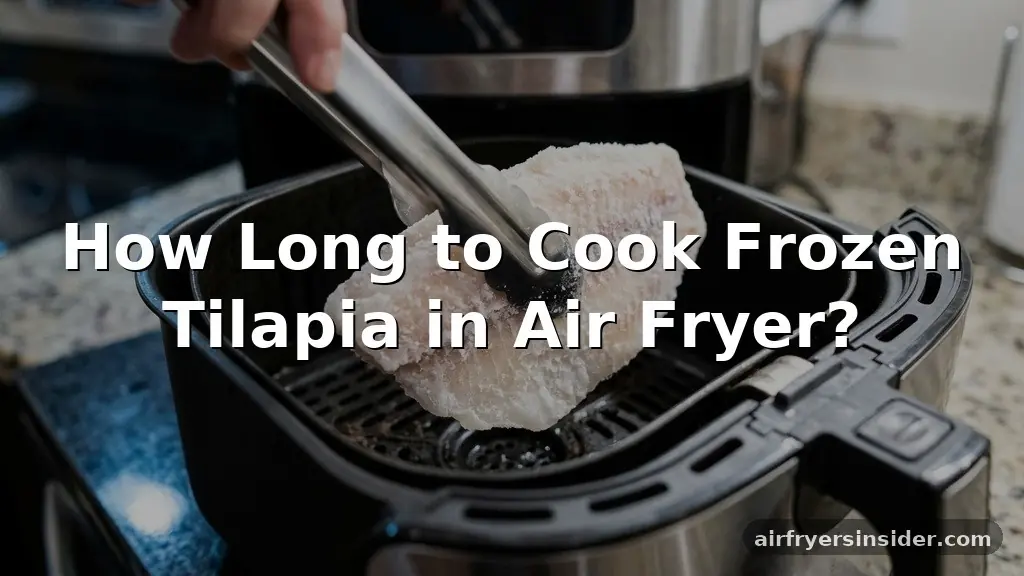
Figuring out how long to cook frozen tilapia in air fryer settings can save your weeknight dinner when you have absolutely nothing thawed in the freezer. Because tilapia is a lean, mild white fish, it transitions from rock-solid to perfectly flaky surprisingly fast. You don’t need to stress about long prep times or complex thawing methods.
By leveraging the rapid convection power of your air fryer, you can achieve a moist interior while maintaining a firm, pleasant bite. This approach is ideal for anyone looking to get a healthy, high-protein meal on the table in under twenty minutes without any prior planning.
Mastering the Fundamentals of Air Frying Frozen Fish
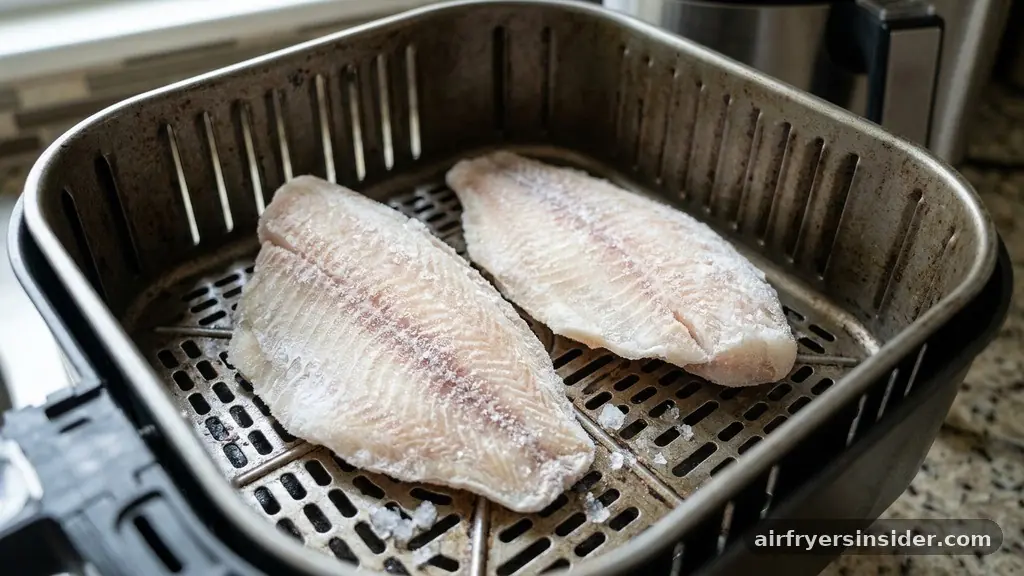
When you decide to cook fish straight from the freezer, the primary goal is to ensure the exterior sets quickly while the center cooks through without turning into a liquid mess. The beauty of the air fryer is its ability to circulate heat intensely.
For most standard frozen fillets, you are looking at a Recommended Cooking Time and Temperature that centers around 400°F. At this heat, the ice crystals on the surface evaporate rapidly, allowing for a better texture than you would get from a microwave or a slow, uneven pan-sear.
It is important to remember that frozen fish naturally releases a significant amount of water as it warms. If you crowd the basket, that steam gets trapped, which is the main culprit for resulting in a mushy texture.
Always leave space between the pieces so the hot air can reach all sides of the fish. If your fillets are particularly thick, you might need to adjust the timing by a minute or two, but starting at 12 to 14 minutes is usually the sweet spot for most home units.
The Essential Step-by-Step Preparation Process
Following a consistent Step-by-Step Preparation routine ensures that your fish doesn’t just taste like a “frozen meal.” Even though the fish is frozen, you still need to create a base for your seasoning to stick. Start by giving the fillets a very light rinse under cold water to remove any surface ice glaze.
Pat them dry with paper towels—this is a non-negotiable step. If the surface is wet, the fish will steam instead of roast.
Once dry, brush both sides with a thin layer of olive oil or melted butter. This fat acts as a conductor for the heat and helps your dry spices adhere properly.
You can go simple with salt and pepper, or elevate the profile with garlic powder, paprika, or dried herbs. If you prefer a crunch, you can press a light coating of panko or almond flour onto the oiled surface, though keeping it bare is perfectly fine for a low-carb or keto lifestyle.
Identifying the Correct Internal Temperature
One of the biggest mistakes home cooks make is relying solely on the clock rather than the actual state of the protein. Regardless of the recommended time, you must verify the internal temperature to ensure safety and quality.
Fish is considered done when it reaches an internal temperature of 145°F. Using an instant-read thermometer is the only way to be 100% certain, especially when dealing with the variable thickness of different frozen brands.
Insert the probe into the thickest part of the fillet. If you don’t have a thermometer, you can use the fork test. The fish should be opaque throughout and flake easily when pressed gently with a fork.
If it still looks translucent or resists flaking, give it another two minutes. Remember that the residual heat will continue to cook the fish for a short time after you pull it out of the air fryer, so don’t be afraid to remove it as soon as it hits that target.
Addressing Common Troubleshooting Texture Issues
We have all experienced the disappointment of opening the air fryer to find a pile of broken, watery fish. These Troubleshooting Texture Issues are almost always linked to moisture management.
If your fish consistently turns out soft or falling apart, consider the quality of your frozen product. Some store-bought fillets are injected with a sodium tripolyphosphate solution to help them retain water; this is great for the manufacturer but terrible for air frying because it causes the fish to “weep” while cooking.
If you suspect your fish has this added moisture, double your efforts to pat it dry before seasoning. Another trick is to place the fish on a piece of parchment paper or a perforated silicone liner for the first five minutes of cooking.
This prevents the fish from sticking to the metal basket grate, which is where most of the tearing happens. If you find the top is browning too fast while the inside is still cold, lower the heat to 375°F and extend the time by three or four minutes.
Optimizing Your Air Fryer Performance
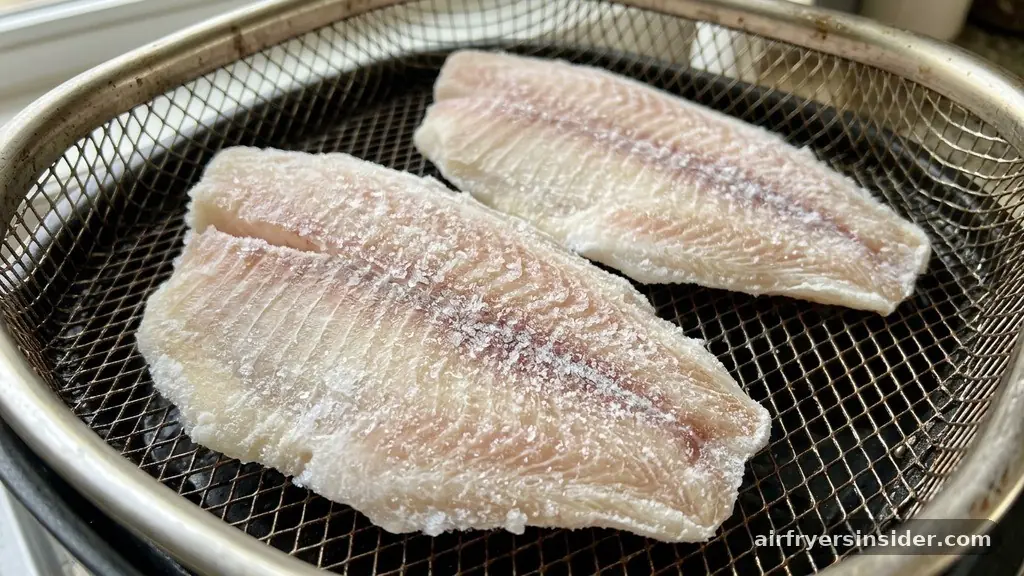
Not all air fryers are created equal, and knowing your specific machine’s personality is key to success. Basket-style fryers generally move air faster than toaster-oven style units.
If you are using a larger, oven-style air fryer, you might find that the air circulation is slightly less aggressive. In these cases, you may need to add an extra two minutes to the total time.
| Fillet Thickness | Estimated Time (400°F) | Texture Goal |
|---|---|---|
| Thin (Under 0.5 inch) | 9–11 minutes | Crispy edges |
| Medium (0.5 – 1 inch) | 12–14 minutes | Flaky center |
| Thick (Over 1 inch) | 15–18 minutes | Firm, tender bite |
Regardless of the model, preheating your unit for at least three minutes before adding the fish makes a massive difference. Starting with a hot chamber ensures that the surface of the frozen fish begins to sear immediately, which locks in the moisture and prevents the fish from drying out during the longer cooking cycle required for frozen items.
Creative Variations and Flavor Profiles
Once you master the basic technique, you can experiment with Common Variations and Tips to keep your meals exciting. Tilapia is a blank canvas that pairs beautifully with various flavor profiles.
For a bright, fresh finish, squeeze a bit of fresh lime juice over the fillets immediately after they come out of the basket. Adding fresh cilantro or a dollop of Greek yogurt-based sauce can also brighten the plate.
- Mediterranean Style: Rub with oregano, lemon zest, and crushed red pepper flakes.
- Spicy Cajun: Use a generous coating of blackened seasoning and serve with a side of steamed vegetables.
- Asian-Inspired: Brush with a mix of soy sauce, ginger, and sesame oil before air frying.
- Herb Crusted: Use a mixture of crushed walnuts, parmesan cheese, and parsley for a savory, crunchy crust.
These simple additions take very little effort but completely change the character of the meal. Because tilapia is so mild, it absorbs these flavors readily, making it a reliable staple for busy weeknights when you want something that tastes like it took much longer to prepare than it actually did.
Bridging the Topical Gaps
A common question that often goes unanswered in standard recipes is whether you should flip the fish halfway through. For frozen fillets, flipping is generally unnecessary and often counterproductive. Because the fish is delicate, the act of flipping can cause it to break apart, especially if it hasn’t fully set yet.
The air in an air fryer circulates around the entire basket, meaning the top and sides get plenty of heat. If you are worried about uneven cooking, simply rotate the basket or shift the fillets slightly, but avoid turning them over unless you have applied a heavy crust that needs to be browned on both sides.
Another gap involves the use of frozen breaded fillets versus plain ones. If you are air frying pre-breaded frozen tilapia, you need to be careful with the temperature. The breading can burn long before the center of the fish is safe to eat.
In these cases, 380°F is usually safer than 400°F. Keep a close eye on the color of the crust; if it reaches a dark golden brown early, tent the fish with a small piece of foil to allow the interior to finish cooking without turning the breading into charcoal.
Planning for Success with Frozen Fish
Integrating frozen fish into your meal rotation requires a shift in mindset. Instead of thinking of it as a “backup” meal, view it as a high-efficiency protein source.
Keep your pantry stocked with staples like olive oil, dried herbs, and lemon pepper seasoning. When you know exactly how long to cook frozen tilapia in air fryer models, you eliminate the need for last-minute grocery runs.
Always keep your freezer organized so you can quickly grab a fillet or two without digging through bags of frozen vegetables. If you find yourself cooking for a crowd, remember that you can cook multiple fillets at once as long as they aren’t touching.
If you need to cook more than the basket allows, it is better to do them in two smaller batches rather than overloading the machine. The time saved by not thawing is significant, and the results are consistently better than pan-frying, which often leads to sticking and broken, messy fillets.
FAQ
Can I cook frozen tilapia in the air fryer without oil?
You technically can, but it is not recommended. Oil helps transfer heat evenly to the surface of the frozen fish and prevents it from sticking to the rack. A light spray or brush of olive oil significantly improves the final texture and prevents the fish from drying out.
Do I need to thaw the fish before putting it in the air fryer?
No, that is the main advantage of this method. You can take the fillets directly from the freezer to the air fryer. This saves time and prevents the fish from becoming waterlogged, as it cooks quickly enough that the excess moisture is largely evaporated during the air-frying process.
Why is my air-fried tilapia falling apart?
The most common cause is overcrowding the basket or flipping the fish too early. Ensure the fillets have space for air to circulate and avoid moving them until they are mostly cooked. Also, ensure the fish is patted completely dry with a paper towel before you add your oil and seasoning.
What is the safest way to check if the fish is done?
The most reliable method is using an instant-read thermometer to check the thickest part of the fillet. You are looking for an internal temperature of 145°F. If you don’t have a thermometer, ensure the flesh is completely opaque and flakes easily when pressed with a fork.
Conclusion
Mastering the process of air frying frozen tilapia allows you to enjoy a nutritious, high-protein meal even on your busiest days. By maintaining a steady temperature, managing moisture through proper drying, and verifying the internal temperature, you can avoid common pitfalls like mushy textures or uneven cooking. Whether you prefer a simple salt-and-pepper finish or a more complex spice rub, the air fryer delivers consistent, flaky, and delicious results that compete with fresh fish.
Once you get comfortable with the timing and the behavior of your specific unit, you will likely find that this becomes one of your most relied-upon kitchen techniques. Feel free to experiment with your favorite seasonings and side dishes to keep your dinner routine both healthy and flavorful.
Meta Description: Learn how long to cook frozen tilapia in air fryer for a perfect, moist result. Get expert tips on temperature, prep, and avoiding common texture issues.


