Reheating leftover Italian comfort food can be a real challenge, especially when you want to restore that satisfying crunch without turning the chicken into a rubbery mess. Learning how to reheat chicken parm in air fryer setups is the secret to avoiding the dreaded soggy crust that often happens in a microwave.
By leveraging rapid air technology, you can easily revive the golden brown exterior while ensuring the mozzarella cheese melts perfectly again. This method focuses on balancing heat distribution so your meal tastes just as fresh as it did the first time around.
The Science of Air Fryer Reheating
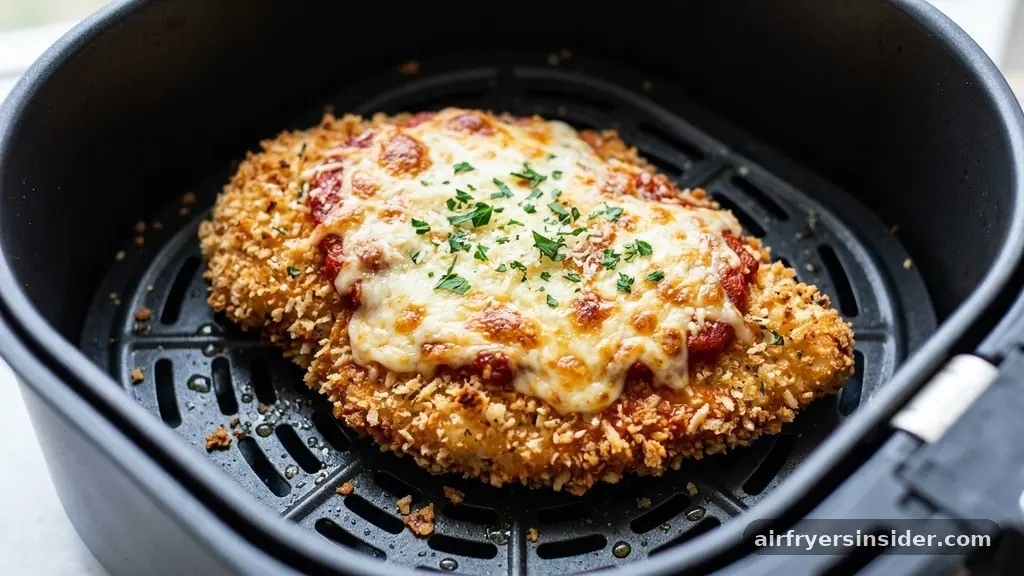
The primary reason an air fryer outperforms a microwave for this task is the way it handles moisture. While microwaves excite water molecules and often lead to a rubbery, steamed texture, an air fryer uses a powerful fan to circulate hot air around the food. This process, known as convection cooking, effectively dries out the surface just enough to crisp up the breading while the interior remains juicy.
When you focus on how to reheat chicken parm in air fryer, you are essentially mimicking the original cooking process. The concentrated heat mimics a high-heat oven, which is ideal for breaded cutlets.
Because the air moves so quickly, it prevents the sauce from turning into a watery pool, provided you don’t overload the basket. This creates an environment where the cheese can soften and bubble without the breading becoming mushy or burnt.
Preparing Your Leftovers for the Best Results
Before you even turn on the machine, proper preparation is vital. If your chicken parm has been sitting in an airtight container in the fridge, it might be cold and firm.
Take the chicken out about ten minutes before you plan to reheat it. Letting the meat come closer to room temperature allows for a more even heat distribution throughout the piece.
If the chicken is buried under a heavy layer of sauce, scrape off the excess. Too much liquid will inevitably lead to a soggy crust, regardless of how efficient your appliance is. You can always serve a little extra warmed-up marinara sauce on the side later.
If the cheese has slid off or looks sparse, feel free to add a small sprinkle of fresh parmesan cheese or a slice of mozzarella before placing the cutlet into the basket. This small step ensures the top remains gooey and delicious.
Optimal Temperature and Timing
Finding the right reheating temperature is a balancing act. You want the heat high enough to crisp the breaded cutlet but low enough that the edges don’t burn before the center is hot.
A setting between 350°F and 375°F is generally the sweet spot. If your air fryer is particularly powerful, stick to the lower end of that range to be safe.
The total reheating duration usually falls between five and eight minutes, depending on the thickness of the chicken breast. If you have multiple pieces, avoid stacking them. You need consistent air circulation to ensure every part of the breading gets that signature crunch.
If you are unsure if the chicken is ready, use a food thermometer to check the internal temperature. You are aiming for approximately 165°F to ensure it is heated through safely without drying out the chicken breast.
Managing the Sauce and Cheese
The biggest hurdle when working with breaded dishes is the interaction between the sauce and the crust. Marinara sauce contains significant water content, which naturally wants to soften the breading. To mitigate this, consider placing a small piece of parchment paper at the bottom of the basket for easier cleanup, but ensure it doesn’t block the airflow.
If you find that the top of your chicken is browning too quickly, you can use a small piece of aluminum foil to shield the cheese during the first half of the process. Remove the foil for the final two minutes to allow the cheese to bubble and brown slightly.
This technique is particularly helpful if you have a thick layer of mozzarella cheese that needs extra time to melt properly. By controlling the exposure to the direct heat source, you maintain the integrity of the dish’s structure.
Using Oil Sprays for Enhanced Crispiness
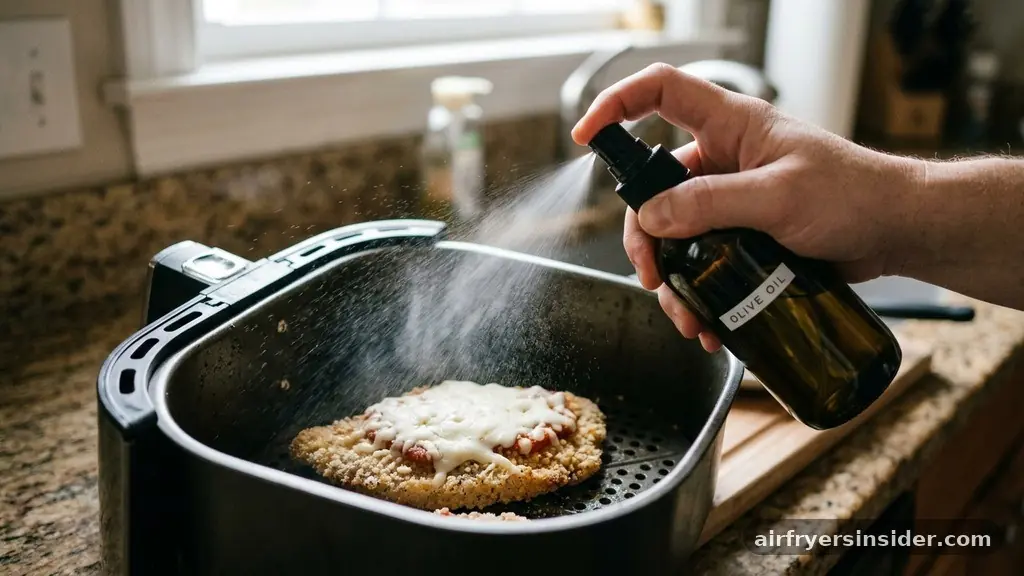
While the chicken was likely fried initially, the breading may have lost some of its fat content while sitting in the refrigerator. A light mist of oil spray can perform wonders for texture. It helps conduct heat more effectively and encourages the breading to achieve that deep golden brown hue you expect from a restaurant-quality meal.
Be careful not to overdo it. You only need a very light coating. If you spray too much, the oil can pool at the bottom of the basket, leading to smoke or an overly greasy finish.
Focus the spray primarily on the edges of the breaded cutlet, as these are the areas most prone to becoming dry during the reheating process. This simple addition can be the difference between a dry, reheated meal and one that feels freshly prepared.
Common Mistakes to Avoid
Many people struggle with this process because they treat the air fryer like a standard oven. One of the most common errors is overcrowding the basket.
Air circulation is the engine that makes this method work; if you block that flow, you are simply steaming the food. Give each piece of chicken enough space to breathe.
Another mistake involves the reheating duration. It is tempting to blast the chicken at 400°F to speed things up, but this almost always results in a burnt top and a cold center. Patience is your best friend here.
Always use kitchen tongs to handle the chicken, as it will be fragile once warmed. Poking it with a fork can cause the breading to flake off.
If you are ever in doubt about the heat level, start low and check frequently. It is much easier to add another minute than to fix a piece of scorched breading.
| Factor | Best Practice |
|---|---|
| Temperature | 350°F to 375°F |
| Time | 5 to 8 Minutes |
| Preparation | Room temp, remove excess sauce |
| Finish | Check with food thermometer |
Addressing Topical Gaps: Reheating with Pasta
A frequent question is how to handle a plate where the chicken parm is served directly on top of spaghetti or other pasta. If you put the whole plate in the air fryer, the pasta will dry out and the chicken won’t crisp. The most effective approach is to separate the components.
Remove the chicken breast from the pasta. Reheat the pasta separately—perhaps in a pan with a splash of water or a quick microwave burst—while the chicken goes into the air fryer. Once both are hot, reunite them on your plate.
This ensures the pasta remains tender and the breading stays crispy. If you try to force them to reheat together, you end up with a dish that has compromised textures for both items. Proper separation is the hallmark of someone who knows how to handle leftovers like a professional chef.
Equipment Tips for Success
Not all air fryers are created equal. Some models feature a preheat setting, which is highly recommended for this specific task.
Preheating ensures the air is moving at the right velocity the moment the chicken enters the basket. If your model doesn’t have a preheat button, simply run it empty at 350°F for three minutes before starting.
Additionally, consider the rack position. If your basket is deep, make sure the chicken is sitting high enough to benefit from the heating element at the top. If you have a tray-style air fryer, use the middle rack to ensure even heat distribution.
Keeping the basket clean is also crucial; old grease from previous meals can smoke and impart an off-flavor to your chicken. Always wipe down the basket or replace the parchment liner to ensure your meal tastes clean and savory.
Storage and Preservation
How you store your leftovers directly impacts how well they reheat. If you know you will be reheating the chicken parm later, store it in an airtight container with a piece of paper towel at the bottom to absorb any excess moisture from the sauce. This prevents the bottom of the breading from becoming a soggy mess before you even start the reheating process.
If you have a large amount of leftovers, store the sauce separately from the chicken if possible. When the breading sits in sauce for more than 24 hours, it loses its structural integrity. By keeping them apart, you preserve the crunch of the cutlet.
When it is time to eat, simply spoon the sauce over the crispy chicken just before serving. This attention to detail during the storage phase makes the actual reheating process significantly easier and more successful.
FAQ
Can I reheat frozen chicken parmesan in an air fryer?
Yes, but you will need to adjust the time. Start with a lower temperature of 325°F to ensure the center thaws, then increase to 375°F for the final few minutes to crisp the exterior. Always use a thermometer to ensure the internal temperature reaches 165°F.
Why does my chicken parm get soggy in the air fryer?
Sogginess usually occurs because of too much sauce or poor airflow. Ensure you scrape off excessive marinara before heating, avoid crowding the basket, and consider using a piece of parchment paper to prevent the bottom from sitting in any moisture that drips off during the process.
Is it necessary to use oil spray when reheating?
It is not strictly mandatory, but it is highly recommended. A light mist of oil helps restore the crunch to the breading that often dissipates in the refrigerator. It acts as a conductor for the heat, ensuring the outer layer turns a beautiful golden brown quickly.
How do I know when the chicken is fully reheated?
The best way to be certain is by using a food thermometer. Insert it into the thickest part of the chicken breast; it should read at least 165°F. Visually, the cheese should be melted and bubbling, and the breading should look crisp and dry to the touch.
Conclusion
Mastering how to reheat chicken parm in air fryer setups is a simple way to elevate your leftovers from a sad, soggy meal to something that feels freshly prepared. By focusing on the balance of temperature, maintaining proper airflow, and being mindful of moisture levels, you can consistently achieve that perfect golden brown crust and gooey cheese. Remember to handle your breaded cutlets with care and prioritize separating them from any side dishes like pasta to ensure the best results.
With these techniques, you’ll find that your leftover meals become a highlight of your week rather than a compromise. Enjoy the process of bringing your favorite comfort food back to its former glory whenever you need a quick and delicious bite.