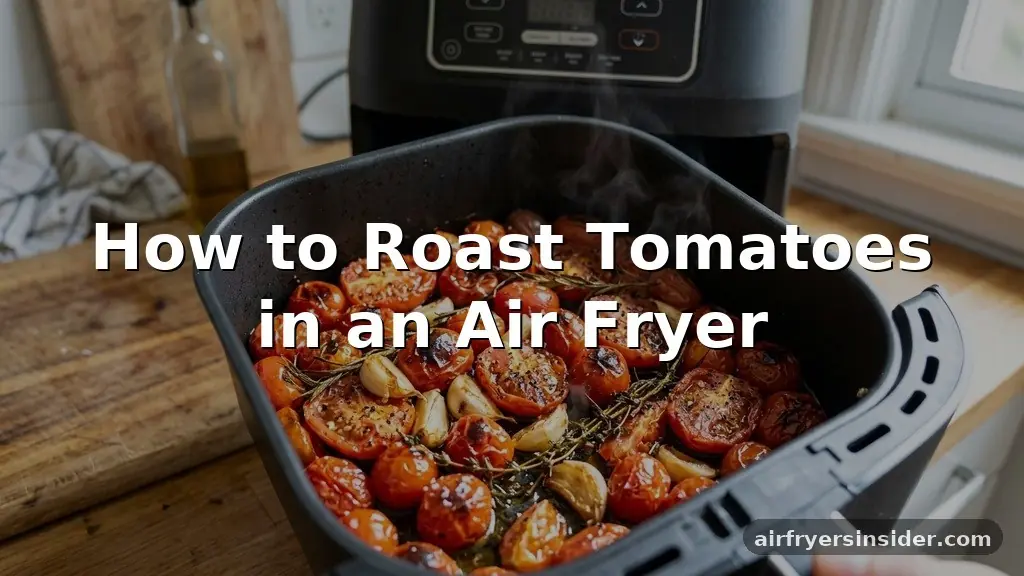
Learning how to roast tomatoes in an air fryer transforms a simple garden staple into a concentrated burst of flavor in a fraction of the time required by a traditional oven. By circulating intense heat around the fruit, this method achieves a perfect balance of deep caramelization and juicy tenderness.
Whether you are looking to create a quick base for a vibrant pasta sauce or simply want a healthy side dish to accompany your evening meal, the air fryer offers unparalleled convenience. You will discover that mastering this technique allows you to enjoy the rich, sweet profile of oven-roasted tomatoes whenever the craving strikes, without heating up your entire kitchen.
Why the Air Fryer Excels at Roasting Tomatoes
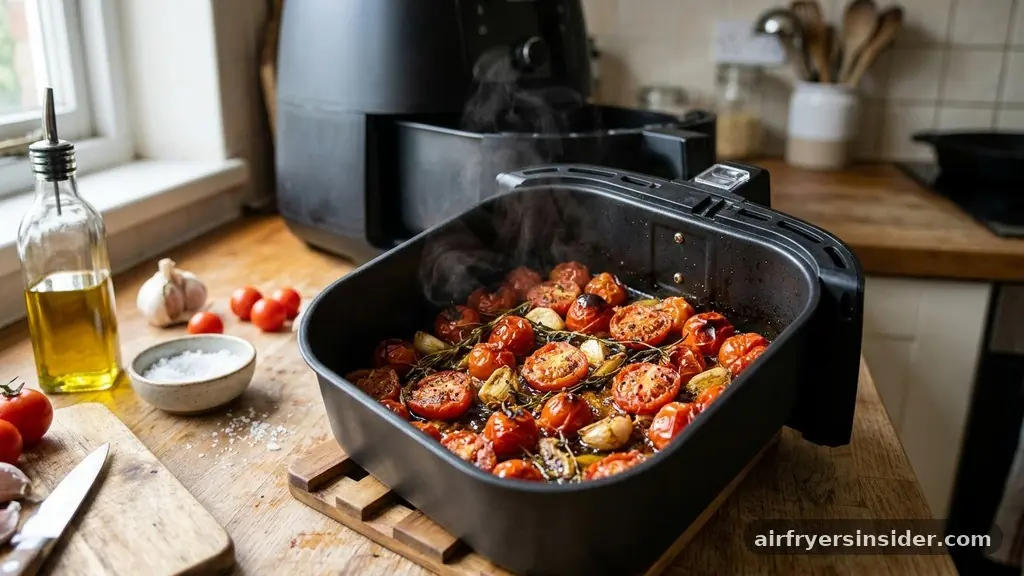
The primary advantage of using an air fryer for this task lies in its powerful convection cooking capabilities. Unlike a standard oven, which relies on radiant heat that can take significant time to permeate the vegetable, the air fryer utilizes a high-powered fan to blast hot air directly at the food. This constant movement of air accelerates the evaporation of moisture, which is the key to achieving that deep, jammy intensity we associate with roasting.
When you roast tomatoes in an air fryer, you aren’t just cooking them; you are concentrating their natural sugars. The rapid air circulation helps trigger the Maillard reaction, a chemical process that browns the exterior and develops complex flavor profiles. Because the air fryer basket is smaller than an oven cavity, the heat is focused and consistent, leading to more predictable results.
You will notice that the skins blister beautifully while the centers remain succulent and soft. This efficiency makes it an ideal tool for weeknight cooking when time is limited.
Selecting the Best Tomato Varieties
Not all tomatoes behave the same way under high heat. Choosing the right variety is essential for achieving the best food texture and flavor balance.
Cherry tomatoes and grape tomatoes are widely considered the gold standard for air frying because their small size allows them to roast evenly without needing to be chopped. Their high skin-to-flesh ratio means they hold their shape while becoming incredibly sweet and tender.
If you prefer using larger varieties like Roma tomatoes, you must adjust your approach. Roma tomatoes have a lower water content and more meaty flesh, which makes them excellent for roasting, but they require slicing into halves or quarters to ensure they cook through before the skins become burnt.
Beefsteak tomatoes, while flavorful, are often too watery and large for efficient air frying. Stick to smaller, firmer varieties to ensure that your final product is concentrated and delicious rather than mushy and waterlogged.
Essential Ingredients and Flavor Enhancements
The beauty of roasting tomatoes lies in their simplicity, yet a few high-quality pantry staples can elevate the final result significantly. You should always start with a high-quality olive oil, which acts as a conductor for heat and helps prevent the tomatoes from sticking to the air fryer basket. A light drizzle is usually sufficient to coat the skins, promoting even browning and crisping.
Seasoning plays a vital role in balancing the natural acidity of the fruit. Kosher salt is preferred because its larger grain size provides a better texture and enhances the savory notes without making the dish overly salty.
Fresh garlic cloves, smashed or thinly sliced, add a fragrant depth that pairs perfectly with the sweetness of the roasted fruit. For an aromatic finish, consider these additions:
- Dried oregano: Adds an earthy, herbaceous quality that complements the tomato’s natural profile.
- Balsamic vinegar: A small splash before cooking adds a touch of acidity and helps with caramelization.
- Fresh basil: Best added after roasting to maintain its bright, peppery flavor.
- Black pepper: Freshly cracked for a subtle heat that cuts through the richness.
Mastering the Prep and Cooking Temperature
Successful roasting depends on consistent vegetable prep. Start by washing your tomatoes thoroughly and patting them completely dry.
Excess moisture on the skin can lead to steaming rather than roasting, which prevents the desired blistering effect. If you are using larger tomatoes, ensure all pieces are cut to a uniform size to guarantee they finish cooking at the same time.
Your cooking temperature settings are critical. For most air fryers, 375°F (190°C) is the sweet spot. This temperature is high enough to encourage rapid caramelization on the exterior without incinerating the delicate skins.
If your appliance is particularly powerful, you might need to drop it to 360°F to prevent the garlic from burning. Always consider preheating your unit for three to five minutes before adding the food; this ensures the cooking process begins the moment the basket slides in, resulting in a more uniform texture across the entire batch.
Managing Roasting Time and Airflow

The roasting time will vary depending on the size of your tomatoes and the specific model of your air fryer. Generally, cherry tomatoes take between 8 to 12 minutes, while larger Roma halves may require 15 to 20 minutes.
It is vital to shake the air fryer basket halfway through the cooking time to ensure all sides receive equal exposure to the hot air. If you are using parchment paper to protect your basket, ensure it does not block the airflow, as this can lead to uneven cooking.
When you notice the skins starting to wrinkle and split, you are nearing the end of the process. The goal is to achieve a deep, dark red color and a slightly blistered appearance.
If you prefer a more charred look, you can increase the temperature for the final minute of cooking, but watch them closely, as the sugars can transition from caramelized to burnt very quickly. Rely on visual cues rather than just the timer, as the moisture content of tomatoes can change from season to season.
| Tomato Type | Prep Method | Estimated Time |
|---|---|---|
| Cherry/Grape | Left whole | 8-12 minutes |
| Roma | Halved lengthwise | 15-20 minutes |
| Campari | Quartered | 12-15 minutes |
Addressing Common Topical Gaps
Many home cooks wonder if it is better to roast tomatoes whole or cut up. The answer depends entirely on your end goal. Roasting whole cherry tomatoes allows them to burst in their own juices, creating a sauce-like consistency inside the skin.
If you want to use them for a rustic bruschetta, keeping them whole is better because they maintain their structure until you bite into them. Conversely, cutting them exposes more surface area to the air, which accelerates the drying process—perfect if you want a more intense, sun-dried tomato flavor.
Another common question involves the use of parchment paper. While it makes cleanup easier, it can inhibit the flow of air from the bottom of the basket. If you use it, ensure there are holes for airflow, or simply skip it and use a light coating of oil directly on the basket surface.
Finally, if you are roasting for soup, you can be less precious about the presentation. You want them very soft and slightly charred, as the blending process will incorporate the charred bits into the base, adding a layer of smokiness that is difficult to achieve otherwise.
Versatile Uses for Roasted Tomatoes
Once you have mastered the art of roasting, you will find endless ways to incorporate these flavor bombs into your meals. The most obvious application is as a base for a quick pasta sauce.
Simply toss your roasted tomatoes—garlic and all—with freshly cooked pasta, a splash of pasta water, and a handful of fresh basil. The tomatoes provide a natural sweetness that balances the starch of the noodles.
They also make an incredible topping for bruschetta. The concentrated flavor of a roasted cherry tomato on a piece of toasted sourdough, perhaps with a little goat cheese or balsamic glaze, is a perfect appetizer.
For those who enjoy homemade soup, roasting your ingredients first adds a depth of flavor that raw boiling cannot replicate. You can blend the roasted tomatoes with vegetable stock and a touch of cream for a restaurant-quality tomato soup that highlights the natural sweetness of the fruit.
Storage and Reheating Best Practices
If you find yourself with leftover roasted tomatoes, they store remarkably well. Allow them to cool completely before transferring them to an airtight glass container.
They will stay fresh in the refrigerator for up to four days. Because they have been roasted, their flavor often improves the next day as the oils and seasonings have more time to meld.
When it comes to reheating, avoid the microwave if you want to maintain the integrity of the texture. Instead, place them back in the air fryer for two to three minutes at 300°F. This will warm them through without overcooking them.
If you have roasted a large batch, you can also freeze them. Simply spread the cooled tomatoes on a baking sheet to flash-freeze them, then transfer them to a freezer bag. They work perfectly in soups or stews later in the year, providing a taste of summer even in the dead of winter.
Achieving Consistent Results Every Time
Consistency comes down to understanding your specific kitchen appliance settings. Air fryers vary in wattage and fan strength, so your first few attempts should be viewed as a calibration process.
Keep a small notebook to track the size of the tomatoes, the temperature used, and the final timing. You will soon find the “sweet spot” for your particular machine.
Don’t be afraid to experiment with different aromatics. While garlic and oregano are classic, roasted tomatoes also pair beautifully with thyme, rosemary, or even a pinch of smoked paprika for a deeper, more savory profile.
The key is to keep the salt level moderate; as the water evaporates, the saltiness intensifies, so it is always better to under-season initially and adjust to taste once the roasting is complete. By paying attention to these small details, you will consistently produce professional-grade roasted tomatoes with minimal effort.
FAQ
Can I roast tomatoes in an air fryer if they are very large?
Yes, but you must cut them into uniform, smaller pieces to ensure they cook evenly. If you leave large tomatoes whole, the exterior will likely burn or dry out before the center is properly roasted. Aim for quarters or thick slices for the best results.
Is it necessary to preheat the air fryer before roasting?
Preheating is highly recommended for the best texture. It ensures that the cooking process begins immediately at the correct temperature, which promotes better caramelization and blistering of the skins. Skipping this step can lead to tomatoes that are steamed rather than roasted.
Can I use dried herbs instead of fresh ones?
Absolutely. Dried herbs like oregano or thyme are excellent for roasting because they can withstand the high heat of the air fryer without burning. Fresh herbs, particularly delicate ones like basil, should be added after the roasting process is complete to preserve their bright, fresh flavor.
How do I know when the tomatoes are perfectly roasted?
Watch for visual cues: the skins should be wrinkled, slightly blistered, and starting to split. The tomatoes should look soft and slightly collapsed. If you are using cherry tomatoes, they should be tender to the touch but still hold their shape until pressed.
Conclusion
Mastering the art of roasting tomatoes in an air fryer is a simple way to elevate your everyday cooking. By focusing on high-quality ingredients, proper temperature control, and understanding the nuances of your specific appliance, you can create a versatile component that enhances everything from pasta dishes to appetizers. This method proves that you don’t need a professional kitchen or hours of time to achieve deep, complex flavors.
As you experiment with different herbs and seasoning combinations, you will find that these roasted gems become a staple in your culinary repertoire. Feel free to try different varieties and share your favorite combinations with friends and family during your next meal.
Meta Description: Learn how to roast tomatoes in air fryer for perfect, caramelized results. Discover the best techniques for timing, temperature, and flavor pairings.