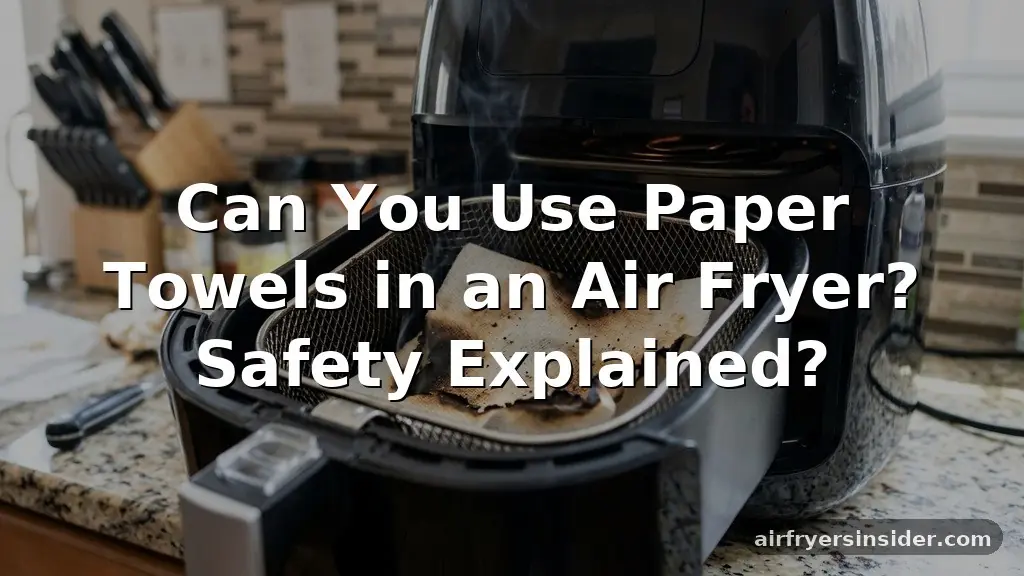
Many home cooks wonder if they can use paper towels in an air fryer to make cleanup easier or soak up excess grease. While it seems like a convenient solution for messy foods, placing paper inside a high-heat convection appliance carries significant risks. Understanding the mechanics of how your machine functions is essential for maintaining kitchen safety.
Because air fryers rely on intense, circulating heat to crisp food, introducing lightweight, combustible materials can lead to dangerous situations. This article explores why experts generally advise against this practice and what safer alternatives exist for your cooking needs. Learning the nuances of these appliances helps prevent accidents while ensuring your meals remain delicious and perfectly prepared.
Understanding Air Fryer Mechanics and Fire Hazards
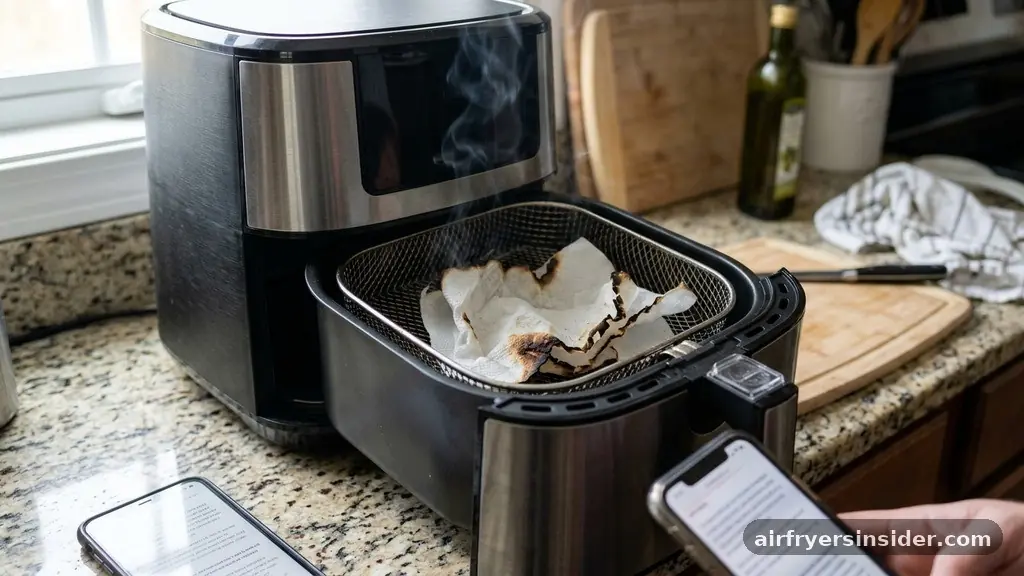
To grasp why placing absorbent sheets in your basket is problematic, you must first understand how an air fryer operates. Unlike a standard oven, an air fryer uses a powerful convection fan located near the top of the unit to circulate superheated air at high speeds.
This air rushes past the heating element and travels down through the food, creating a vortex of heat that browns and crisps the surface of ingredients. Because the air moves so rapidly, it can easily lift loose, lightweight objects.
When you place a standard paper towel inside the basket, you risk it being caught in this powerful current. If a piece of paper gets sucked upward toward the heating element, it becomes an immediate fire hazard.
Paper has a low ignition point, meaning it can catch fire almost instantly upon contact with the intense heat source. Even if the towel doesn’t touch the element, the airflow obstruction caused by a large sheet can disrupt the cooking process, leading to unevenly cooked food or an overheating appliance.
The Science of Paper Ignition Points
Every material has a specific temperature at which it will spontaneously combust. For most cellulose-based products like paper towels, the paper ignition point is surprisingly low—generally around 450 degrees Fahrenheit.
While many air fryers operate between 350 and 400 degrees, the proximity to the heating element often exceeds the ambient temperature inside the basket. The radiant heat emitted by the coil can cause localized hotspots that far surpass the setting on your dial.
Furthermore, paper towels are designed to be absorbent and porous, which makes them highly flammable. When they are coated in rendered fat or oil drippings, their flammability increases significantly.
If the paper becomes saturated with grease, the oil can reach its smoke point, creating dense, acrid smoke that fills your kitchen. This combination of high-velocity air, exposed heating coils, and fuel-soaked paper creates a recipe for a potential fire risk that most manufacturers strictly warn against in their user manuals.
Why Airflow Obstruction Causes Issues
The efficiency of an air fryer depends entirely on the unobstructed movement of air. When you line the bottom of your basket with a solid sheet of material, you effectively block the ventilation holes that allow air to circulate from the bottom up. This disruption forces the machine to work harder to maintain the desired temperature, which can strain the motor and lead to premature failure of the kitchen appliance.
Beyond the mechanical strain, blocking these vents prevents the “fry” effect you expect from the device. Air frying is essentially a form of convection cooking that requires air to hit the food from all sides, including underneath.
If you create a barrier, the food at the bottom of the basket will steam rather than crisp. This results in soggy textures and uneven results, defeating the entire purpose of using the air fryer for its signature crunch.
Safe Alternatives to Paper Towels
If your goal is to minimize mess or protect the non-stick coating of your basket, there are much safer air fryer accessories designed specifically for the job. You do not need to rely on makeshift solutions that compromise your safety. The following options are engineered to withstand high temperatures and ensure consistent performance:
- Parchment paper: Specifically designed for high-heat baking, these are often available with pre-cut perforated liners that allow air to pass through while keeping the basket clean.
- Silicone liners: These reusable mats are heat-resistant and durable, providing a non-stick surface that is easy to wash in the dishwasher.
- Aluminum foil: While this can be used, it should be kept small and weighted down by food to prevent it from flying into the heating element.
- Stainless steel racks: These elevate food, allowing grease to drip away naturally without needing a liner at all.
The Role of Grease and Smoke Points
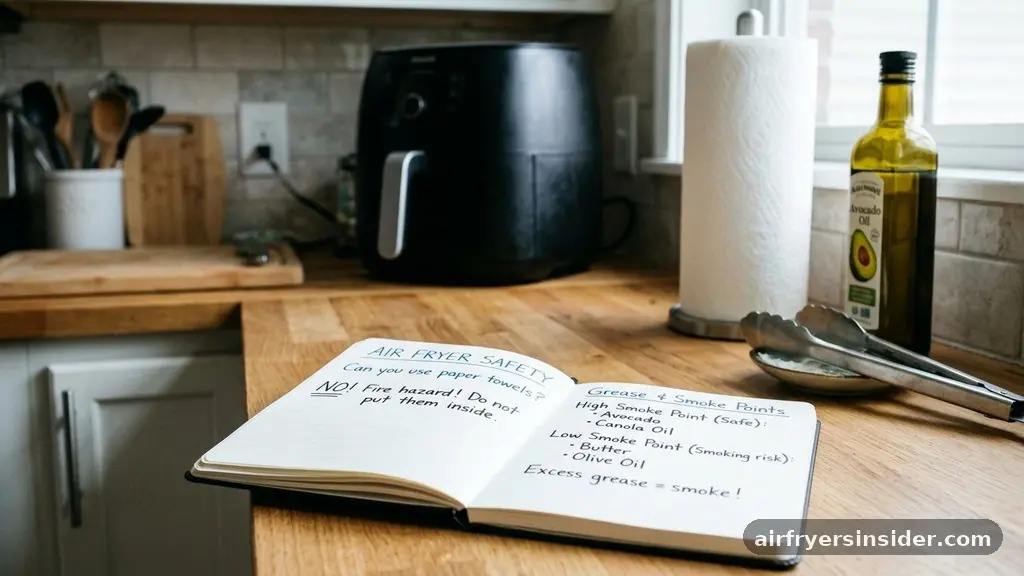
One of the common reasons people attempt to use paper towels is to absorb excess grease during cooking. However, using a combustible material like paper to soak up hot oil is fundamentally dangerous.
As the paper becomes saturated with fat, the grease itself becomes a fuel source. If the paper begins to char or if a stray piece touches the heating element, the grease will ignite, leading to a grease fire that is notoriously difficult to extinguish.
Instead of trying to absorb the oil, it is better to manage it through proper cooking techniques. If you are cooking fatty meats, you can add a small amount of water to the bottom of the drawer (if your specific model allows) or simply use a rack to keep the meat above the drippings. This prevents the oil from smoking and ensures that your appliance maintenance remains straightforward, as you won’t have to deal with burnt, sticky residue baked onto the basket floor.
Manufacturer Guidelines and Warranty Implications
Most manufacturers explicitly state in their manuals that you should not put paper products inside the air fryer. This is not just a suggestion; it is a critical safety warning designed to protect both the user and the equipment.
If a fire occurs because you ignored these instructions, your manufacturer warranty will almost certainly be voided. Furthermore, if the unit sustains internal damage due to airflow restriction or debris buildup, the cost of repair or replacement falls entirely on you.
When you look at the design of these machines, you will notice that they are built with specific clearances. By inserting an object that isn’t intended for the unit, you interfere with these safety parameters.
Always consult the documentation provided with your specific kitchen appliance before using any aftermarket accessories. If the manual says to avoid paper, trust that this advice is based on rigorous safety testing performed by the engineers who designed the unit.
Comparing Common Liner Materials
To help you choose the right solution for your cooking style, the following table compares the most common materials used to line air fryer baskets.
| Material | Heat Resistance | Airflow Impact | Best Use Case |
|---|---|---|---|
| Paper Towel | Poor (Highly Flammable) | High (Blocks Vents) | Never Recommended |
| Perforated Parchment | Good (Up to 450F) | Minimal | Baking, Sticky Foods |
| Silicone Liners | Excellent (Up to 500F) | Moderate | Easy Cleanup, Reusable |
| Aluminum Foil | Excellent | High (If not perforated) | Wrapping food, Catching drips |
Cleaning and Maintenance Without Paper
Maintaining your air fryer doesn’t require lining it with paper. In fact, most modern baskets feature a high-quality non-stick coating that is designed to be cleaned with a simple sponge and warm, soapy water.
If you are worried about stubborn food, the best approach is to soak the basket for a few minutes before scrubbing. This preserves the integrity of the coating far better than using abrasive brushes or scraping at burnt-on paper residue.
If you find that food is consistently sticking to your basket, consider using a light coating of oil spray, such as avocado or grapeseed oil, before adding your ingredients. These oils have high smoke points and won’t turn into a sticky, polymerized mess as quickly as lower-quality oils. By treating the surface correctly and cleaning it after every use, you ensure that your air fryer remains in top working condition for years without ever needing to risk a fire hazard.
Addressing Common Misconceptions
There is a persistent myth that because paper towels are used in microwaves, they are safe for all kitchen appliances. This is a dangerous comparison.
A microwave works by exciting water molecules within food, whereas an air fryer is essentially a high-powered, fan-forced oven. The presence of a live heating element and high-velocity air makes the air fryer a completely different environment.
Another misconception is that as long as the paper is tucked under the food, it won’t move. However, as food shrinks or shifts during the cooking process, the paper can become exposed. Once a corner lifts, the convection fan will immediately grab it.
Never assume that the weight of the food is sufficient to hold down a lightweight material. Stick to designated, heat-safe accessories that are designed to handle the specific thermal and mechanical stresses of your air fryer.
Frequently Asked Questions
Can I use parchment paper instead of a paper towel?
Yes, parchment paper is a safe alternative, provided it is specifically designed for high-heat cooking. Always use perforated versions to ensure proper airflow and never let the paper extend beyond the food, as loose edges can fly into the heating element.
What is the safest way to prevent sticking in an air fryer?
The safest method is to use a light mist of high-smoke-point oil or invest in a silicone liner. Keeping the basket clean and avoiding the buildup of carbonized food residue also helps maintain the effectiveness of the non-stick coating over time.
Why is there smoke coming from my air fryer when I cook fatty foods?
Smoke is often caused by grease dripping onto the hot heating element or the bottom of the basket where it burns. To minimize this, you can place a tablespoon of water in the bottom of the drawer to cool the drippings.
Are there any specific materials I should never put in an air fryer?
You should never put paper towels, plastic wrap, wax paper, or any lightweight, flammable materials inside the unit. These items can easily ignite or melt, causing significant damage to the appliance and creating a serious fire risk in your kitchen.
Conclusion
Using paper towels in an air fryer is an unnecessary risk that outweighs the minor convenience of easier cleanup. Because of the high-velocity air and intense heat, these materials can easily become fire hazards, leading to dangerous situations in your home. By utilizing safer alternatives like perforated parchment paper or silicone mats, you can achieve the same level of cleanliness without compromising your safety or the longevity of your machine.
Always prioritize the manufacturer’s guidelines and focus on proper maintenance to keep your cooking experience enjoyable. With the right tools and a clear understanding of how your appliance works, you can continue to enjoy perfectly crisp, delicious meals while keeping your kitchen environment safe and secure.