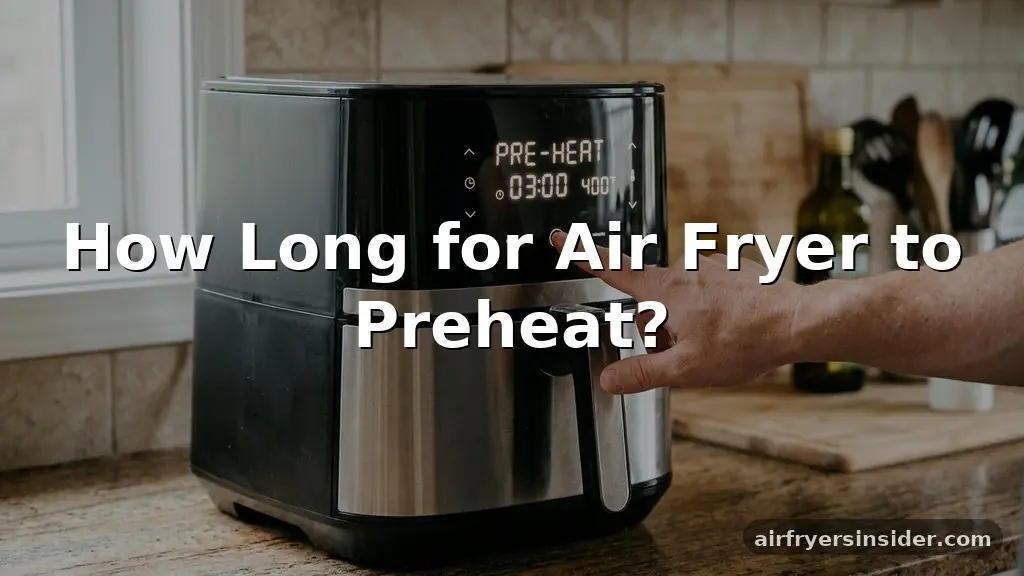
Knowing how long for air fryer to preheat can significantly improve the texture of your meals, ensuring that your food starts cooking at the optimal heat level from the very first second. While some people argue that these countertop devices don’t require this step, a quick warm-up period often makes the difference between soggy results and that signature golden-brown crunch.
Understanding the mechanics of your specific machine will help you achieve better consistency in your kitchen, regardless of the brand or model you use. By mastering the timing, you’ll get the most out of your appliance and ensure every batch of snacks or dinner entrees comes out exactly as intended.
The Mechanics of Air Fryer Preheating
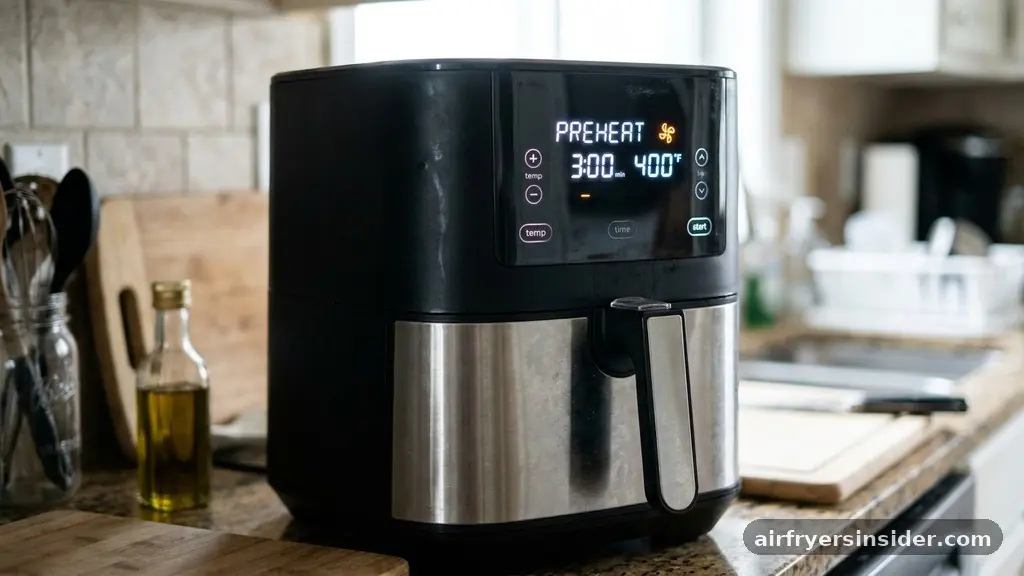
At its core, air fryer preheating is about bringing the internal chamber of the device up to the target cooking temperature before the food enters the basket. Unlike a conventional oven, which relies on large, heavy heating elements and significant space, an air fryer uses a compact heating element and a powerful fan to generate convection heat.
This creates a high-velocity environment where hot air constantly circulates around the food. When the chamber is already hot, the surface of your food begins to cook immediately, which is essential for triggering the Maillard reaction.
This chemical process is what gives browned food its distinct, savory flavor and crispy texture. If you place cold food into a cold air fryer, the appliance spends the first few minutes simply warming up the air and the basket itself. During this time, your food might start to release moisture or steam, which can lead to a less-than-ideal texture.
By allowing the machine to reach its target temperature first, you ensure that the exterior of your ingredients undergoes rapid dehydration and browning. This thermal efficiency is the secret to getting professional-looking results in a fraction of the time required by a traditional oven.
Factors Affecting Preheat Time
Several variables dictate exactly how long you need to wait before tossing your ingredients into the basket. The most significant factor is the wattage of your specific unit; higher-wattage machines generally reach their target temperature much faster than lower-wattage counterparts. Additionally, the basket capacity plays a surprising role.
A larger basket contains more air and more surface area, meaning the heating element has to work harder to stabilize the environment. If your air fryer is packed with heavy accessories or racks, the thermal mass of those items will also increase the time required to reach a steady state.
Environmental factors in your kitchen can also influence the speed of the warm-up process. If your kitchen is particularly cold or if the air fryer is positioned near an open window, the unit may take slightly longer to compensate for the ambient temperature. It is also worth noting that the desired temperature setting matters.
Pushing a device to 400 degrees Fahrenheit will naturally take longer than setting it to a gentle 300 degrees. Most modern devices are designed to reach their maximum heat capacity within a few minutes, but understanding your specific appliance model is key to finding the sweet spot for your daily cooking routine.
Standard Timing Expectations
For most standard countertop units, the preheat time ranges between three and five minutes. This is generally enough time for the air circulation to become uniform and for the metal surfaces inside the chamber to heat up sufficiently.
If you are cooking at high temperatures, such as 400 degrees, you might want to lean toward the five-minute mark to ensure the interior is fully primed. For lower-heat applications, like reheating leftovers or baking delicate items, three minutes is usually more than sufficient.
Many newer models feature a digital display that includes a dedicated preheat function. This is a game-changer for consistency, as the machine will often beep or flash an indicator light once it has reached the programmed temperature. If your unit lacks this feature, using a simple kitchen timer is a reliable workaround.
It is important not to over-complicate this; the goal is simply to have the air moving and the chamber hot. If you consistently find that your food isn’t crisping up as fast as you would like, adding just sixty seconds to your preheat routine can often solve the problem without requiring any major changes to your process.
Comparing Popular Air Fryer Brands
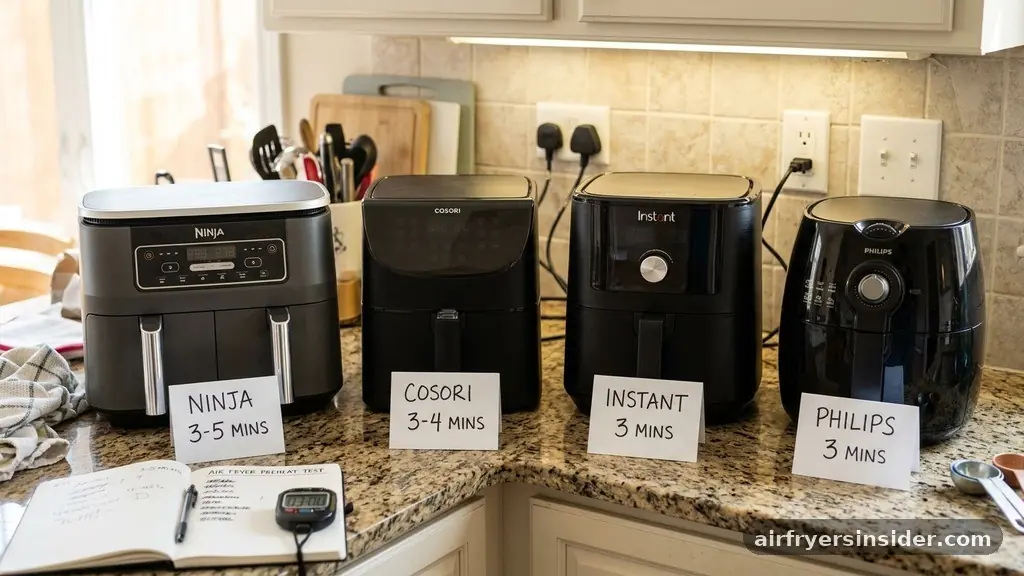
Different manufacturers design their internal airflow and heating systems differently, which leads to variation in performance. For example, a Ninja air fryer is often lauded for its powerful fan and rapid heat-up time, typically ready in under three minutes.
Similarly, the Cosori line of fryers is known for its efficient heating elements that balance speed with even heat distribution. The Instant Vortex series also emphasizes quick recovery times, especially when the basket is removed for shaking or flipping food.
| Appliance Brand | Estimated Preheat Time | Best Feature |
|---|---|---|
| Ninja | 2–4 Minutes | High-velocity fan speed |
| Cosori | 3–5 Minutes | Consistent heat distribution |
| Instant Vortex | 3–5 Minutes | Fast temperature recovery |
When switching between these brands, you might notice slight differences in how they handle the preheat cycle. Some units default to a preheat mode that forces you to wait before the timer starts, while others allow you to set the cook time immediately.
If you are moving from one brand to another, pay attention to the manufacturer’s manual. While most advice on preheating is universal, the specific software logic inside your device might require a slightly different approach to ensure the internal temperature is actually where you want it to be before you begin cooking.
Addressing Common Topical Gaps
One question that often arises is whether preheating is necessary for frozen foods. Many users assume that because frozen items are already cold, they don’t need a hot start. However, the opposite is true.
Frozen foods contain ice crystals and moisture that need to be evaporated quickly to prevent the food from turning mushy. By preheating your air fryer, you provide the rapid air technology with the best possible conditions to immediately attack that surface moisture. This is especially critical for items like frozen french fries or breaded chicken, which rely on a quick sear to maintain their structure.
Another common point of confusion is whether you should preheat if you are using parchment paper or silicone liners. These accessories can act as insulators, potentially blocking some of the air circulation at the base of the basket.
If you use liners, it is even more important to ensure the unit is fully preheated so that the air temperature is high enough to compensate for the slight barrier created by the liner. Additionally, always place your food on the liner only after the unit is hot; placing cold food on a cold liner inside a cold air fryer is a recipe for uneven cooking and extended wait times.
The Impact of Air Circulation
The true power of an air fryer lies in its ability to move hot air around the food with high intensity. Air circulation is the primary driver of the cooking process, and it works best when the air is already at the target temperature. When you preheat, you are essentially establishing a stable flow of heat. If you skip this, the air starts at room temperature and gradually rises, meaning the first few minutes of your “cook time” are actually just a transition period where the food is barely cooking at all.
This lack of consistency can be frustrating, particularly when following specific recipe instructions. Most recipes are written with the assumption that the appliance is already hot. If a recipe calls for twelve minutes at 375 degrees, it expects those twelve minutes to be at a sustained, high heat.
If your machine is cold when you start, you might find yourself needing to add extra time, which can lead to overcooking the edges of the food before the center is finished. By starting with a hot machine, you ensure that the recipe duration is accurate and that the cooking process is predictable every single time.
Manual Settings and User Control
For those who prefer a more hands-on approach, using manual settings offers the most flexibility. If your air fryer doesn’t have a preheat button, you are in total control of how long you want to warm it up.
This allows you to experiment with your specific kitchen appliance to see what works best for your favorite dishes. You might find that for delicate vegetables, a short two-minute preheat is perfect, while for thick cuts of meat, a full five-minute cycle is necessary to ensure the exterior develops a proper crust.
Don’t be afraid to use your senses during this process. If you can hear the fan running at a high, steady pitch and feel the heat radiating from the back of the unit, your air fryer is likely ready for the basket. Some enthusiasts even use an infrared thermometer to check the temperature of the basket surface, though this is rarely necessary for home cooking.
The key is to develop a routine that feels natural to you. Once you have a reliable rhythm for your specific model, you will find that the preheating step becomes an automatic part of your cooking workflow rather than a chore.
Tips for Optimal Results
To get the most out of your air fryer, consider these best practices for managing your preheating routine:
- Always remove the basket during the preheat phase to ensure the inner chamber is fully exposed to the hot air.
- Avoid overcrowding the basket once it is preheated, as this limits the air circulation you worked so hard to establish.
- If you are cooking in multiple batches, you don’t need to preheat again between them; the unit will already be at the required temperature.
- Check the vent area of your air fryer; ensuring it has enough clearance from walls will allow the fan to work more efficiently, speeding up the warm-up time.
- Use an oven-safe thermometer if you are unsure about the internal temperature of your unit, especially when cooking meats to a specific level of doneness.
These simple habits ensure that your appliance operates at peak performance. By treating the preheat phase as a crucial component of your cooking process, you eliminate the guesswork and ensure that the internal temperature of your food reaches the safe and tasty zones exactly when the timer goes off. It is about working with the physics of the device rather than against it, which ultimately saves you time and leads to far superior culinary results in your own home.
Frequently Asked Questions
How do I know when my air fryer is finished preheating?
Most modern air fryers with digital displays will beep or show a notification on the screen when they reach the set temperature. If your model is manual, a simple rule of thumb is to allow the unit to run empty for three to five minutes before adding your food.
Is it ever okay to skip the preheat step?
You can skip preheating for long-cooking items like whole vegetables or thick roasts, as the extra time will allow the unit to come up to heat naturally. However, for quick-cooking items like snacks, breaded foods, or thin proteins, preheating is essential to get the right texture.
Does preheating an air fryer consume a lot of electricity?
Because air fryers are small and highly efficient, the energy used during a short three-to-five-minute preheat is negligible. The time saved by cooking more efficiently at the correct temperature often offsets the minor energy used during the warm-up phase, making it a very cost-effective habit.
Can I preheat the air fryer with the basket inside?
Yes, you should always keep the basket inside the unit while preheating. This allows the basket itself to heat up, which is important because it will be in direct contact with your food. A cold basket can cause the bottom of your food to stick or cook unevenly.
Conclusion
Mastering the rhythm of your kitchen is a rewarding process, and understanding how long for air fryer to preheat is a significant part of that journey. By taking those few extra minutes to let your appliance reach its target temperature, you unlock the full potential of your device’s convection capabilities. This simple habit ensures that your food is perfectly crisp, evenly cooked, and consistently delicious, regardless of the recipe you are following.
Whether you are using a compact model or a large-capacity air fryer, the goal remains the same: creating a stable, high-heat environment that makes cooking easier and more enjoyable. Start integrating these small adjustments into your routine today and you will notice the difference in every meal you prepare. Feel free to experiment with your unit’s timing, observe how different foods react to the heat, and share your favorite tips with others in the kitchen.
Meta Description: Learn exactly how long for air fryer to preheat to ensure perfect, crispy results every time. Optimize your cooking routine with these expert tips.