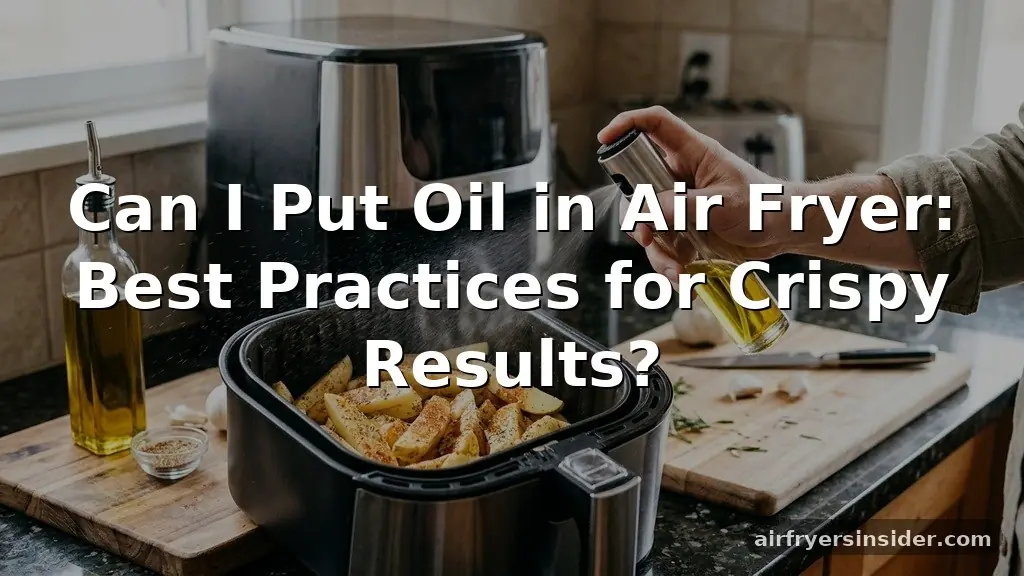
Many home cooks wonder if they can put oil in an air fryer to achieve that perfect, golden-brown crunch. The short answer is yes, you absolutely can, but the method and the type of fat you choose make a significant difference in both the final texture of your food and the longevity of your appliance.
Understanding how to incorporate small amounts of fat without damaging your equipment or triggering your smoke alarm is the secret to mastering this popular kitchen gadget. By learning the proper techniques, you will find that using a little oil effectively improves your cooking game while keeping your kitchen safe and your air fryer in top condition.
Understanding the Role of Oil in Air Fryer Cooking
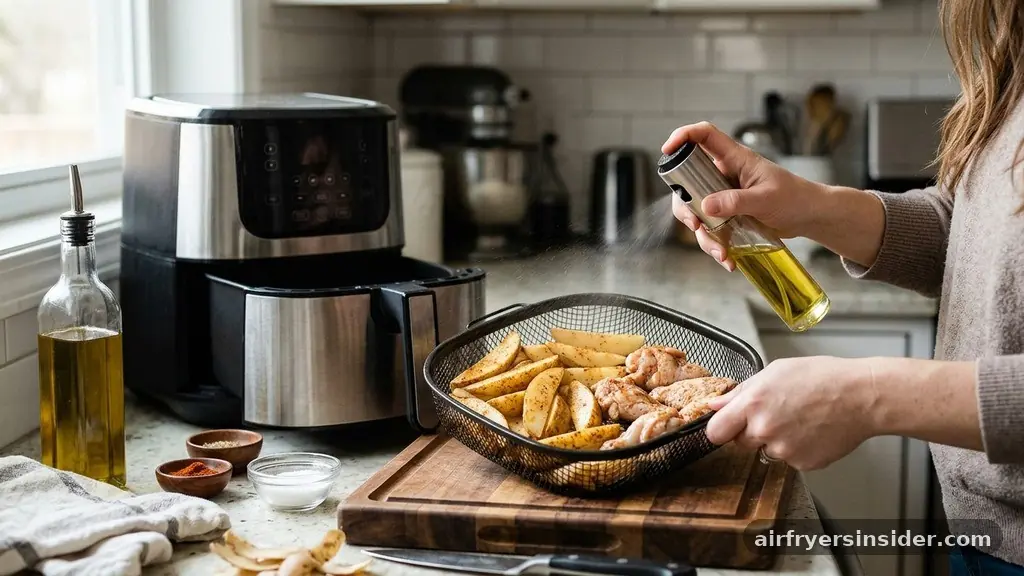
The primary function of an air fryer is to circulate superheated air around food, mimicking the results of deep frying without submerging the ingredients in liquid fat. While you don’t need a large pool of oil, adding a thin layer helps conduct heat more efficiently to the surface of your food.
This process is essential for the Maillard reaction, the chemical process that browns food and creates complex flavors. Without any fat, some foods—especially lean meats or dry vegetables—might turn out leathery or dull rather than crispy.
Using oil also acts as a bridge for seasonings. If you toss your vegetables or protein in a light coating of oil before adding salt, pepper, or herbs, those flavorings will adhere to the surface instead of falling through the basket grate.
It is important to remember that the goal is a light coating, not saturation. When you add too much, the liquid drips through the perforated tray and accumulates at the bottom, which can lead to excess smoke and potentially cause a fire hazard if the residue isn’t cleaned regularly.
Choosing the Right Oil for High Heat
Not every pantry staple is suitable for the high temperatures reached inside an air fryer. You must consider the smoke point of your chosen fat, which is the temperature at which it begins to break down, smoke, and impart an unpleasant burnt flavor. Since air fryers can easily reach temperatures between 375°F and 400°F, you need an oil that remains stable under these conditions.
Refined oils are generally your best bet. Avocado oil is a standout choice because it boasts an incredibly high smoke point, often exceeding 500°F.
Grapeseed oil and canola oil are also excellent, reliable options that won’t break down or create toxic fumes during your cooking cycle. Avoid using extra virgin olive oil for high-heat roasting, as its lower smoke point means it will burn quickly, ruining the taste of your meal and potentially filling your kitchen with acrid smoke.
| Oil Type | Smoke Point | Best Use Case |
|---|---|---|
| Avocado Oil | 520°F | High-heat roasting and crisping |
| Refined Olive Oil | 465°F | General vegetable and meat cooking |
| Grapeseed Oil | 420°F | Versatile everyday frying |
| Canola Oil | 400°F | Budget-friendly, neutral flavor |
Avoiding Aerosol Sprays and Non-Stick Additives
If you look at the ingredients list on many commercial non-stick sprays, you will often find additives like soy lecithin, dimethyl silicone, or various propellants. While these are convenient, they are not always friendly to your air fryer’s non-stick coating.
Over time, these chemical additives can create a sticky, gummy buildup on the basket and the tray that is notoriously difficult to remove. This residue not only compromises the non-stick surface, leading to basket degradation, but it can also trap burnt food particles that increase the risk of smoke.
Instead of relying on store-bought aerosol cans, consider investing in a high-quality oil mister. These manual pumps allow you to use 100% pure oil without any chemical propellants.
By manually controlling the spray, you ensure that you are applying only what is necessary to coat the food, which prevents the buildup of excess oil. If you don’t have a mister, a simple silicone brush works wonders for applying a precise, thin layer of oil to larger items like chicken breasts or breaded fish fillets.
The Proper Application Techniques
How you apply your oil determines how evenly your food cooks. Tossing your food in a bowl with a small amount of oil is often the most effective method for smaller items like French fries, broccoli florets, or chickpeas.
This ensures that every surface is lightly coated before the items even touch the basket. You want a sheen on the food, not a pool of liquid.
For larger items, such as a whole chicken or thick-cut pork chops, a brush application is superior. By brushing the oil directly onto the food, you avoid getting unnecessary oil on the basket itself.
Remember that the air fryer relies on air circulation to work; if you coat the bottom of the basket in thick oil, you are essentially creating a barrier that prevents the air from reaching the bottom of your food. Always aim for a light, even coat to ensure the hot air can reach all sides of the ingredients.
- Toss vegetables in a bowl with oil before adding to the basket.
- Use a silicone brush for precise coverage on meats.
- Avoid spraying the basket directly to prevent sticky residue.
- Always pat food dry with a paper towel before oiling for maximum crispiness.
- Use a manual oil mister rather than aerosol cans with additives.
Addressing Common Safety Concerns and Hazards
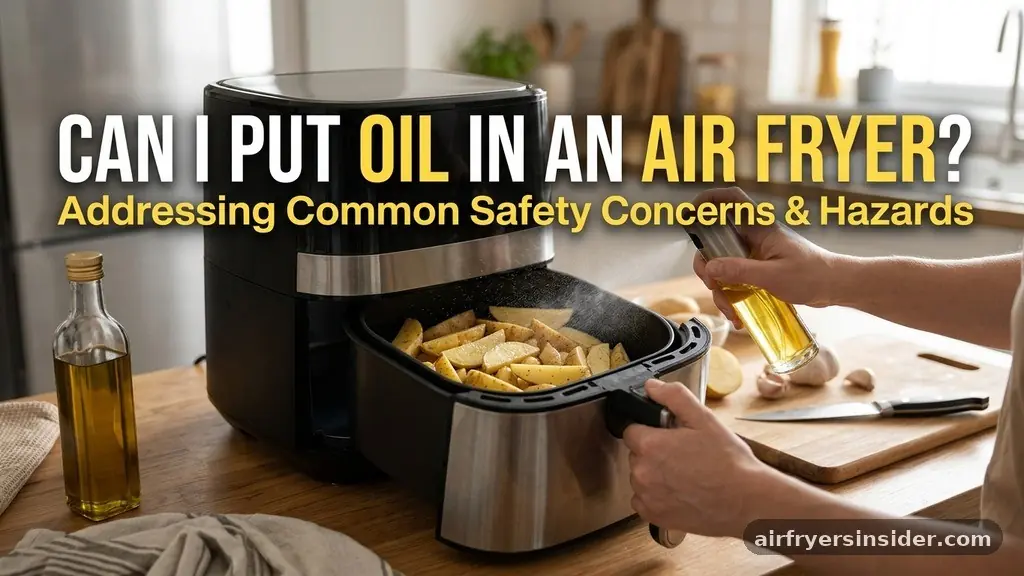
Safety is paramount when operating any high-heat appliance. A major concern with adding oil to an air fryer is the risk of it hitting the heating element, which is located at the top of the unit. If oil splatters upward, it can cause the unit to smoke heavily or even spark a fire.
This is why you should never overfill your basket or use more oil than is strictly necessary. If you are cooking fatty foods like bacon or chicken thighs, the rendered fat itself can be a risk, so keeping the bottom of the unit clean is essential.
If you ever notice your smoke alarm going off, it is usually a sign that food residue or excess oil has accumulated at the bottom of the drawer. Always preheat the unit without food for a few minutes to ensure it is running properly, but never leave the unit unattended if you are experimenting with new, oil-heavy recipes.
Should a small fire occur inside the basket, keep the unit closed, turn it off immediately, and unplug it. Never try to move the air fryer while it is smoking, as this could spill hot oil.
Topical Gaps: What Most Guides Ignore
Many articles fail to address what happens when you don’t use oil at all, or how to handle specific, tricky ingredients. For instance, if you are reheating leftovers that already contain fat, you do not need to add more.
Adding more oil to a slice of pizza or leftover fried chicken will only lead to a soggy mess rather than a crispy result. The food will release its own oils as it warms up, which is usually plenty to crisp up the crust.
Another gap in knowledge involves the impact of breading. If you are making breaded items, the breading itself can absorb a lot of oil. In these cases, it is often better to lightly spray the breaded items after they have been placed in the basket, just before the cooking cycle starts.
This helps the breading brown without becoming saturated. Also, remember that frozen foods often have a pre-applied coating of oil from the factory; adding more to these items is almost always unnecessary and will likely lead to an overly greasy end product.
Managing Basket Degradation and Maintenance
Your air fryer’s lifespan is directly tied to how well you maintain the non-stick coating. Using harsh scouring pads or metal utensils will scratch the surface, causing the non-stick properties to fail.
Once the coating is scratched, food will stick to the metal, necessitating more oil usage in the future, which creates a vicious cycle of buildup and cleaning difficulty. Always use soft sponges and mild dish soap to clean your basket after each use.
If you find that your basket has developed a sticky, brown residue that won’t come off with a regular wash, do not resort to abrasive cleaners. Instead, soak the basket in warm, soapy water for 20 minutes.
This softens the baked-on grease and allows you to wipe it away gently. Maintaining a clean basket is the most effective way to ensure that your air fryer continues to provide consistent results without the need for excessive amounts of oil.
The Relationship Between Preheating and Crispiness
Many users skip the preheating step, but it is vital for achieving the right texture with oil. When you place cold food into a cold air fryer, the oil has time to soak into the food before the heat actually begins the crisping process.
This can lead to heavy, greasy food rather than the light, crunchy texture you are looking for. By preheating the unit for three to five minutes, you ensure that the air is already at the target temperature.
When the oil-coated food hits the hot air, the moisture on the surface evaporates rapidly, and the fat helps conduct the heat to create a crust. This immediate reaction is what mimics the effect of deep frying.
If you put food in too early, the oil just sits there and is absorbed, which is a common mistake that leads people to believe their air fryer isn’t working correctly. Always wait for the unit to reach temperature before adding your oiled ingredients.
Maximizing Results with Strategic Food Preparation
The preparation of your ingredients is just as important as the oil you choose. Excess moisture is the enemy of crispiness. Even if you use the perfect amount of oil, if your vegetables or meats are wet, the steam will prevent the oil from doing its job.
Always pat your ingredients dry with a paper towel before you apply your oil. This simple step ensures that the oil coats the surface properly and that the heat can work on the texture immediately.
Additionally, consider the size of your ingredients. Overcrowding the basket is a frequent error that leads to uneven cooking. If the food is piled on top of itself, the air cannot circulate, and the oil will just create a steaming effect in the center of the pile.
Work in batches if necessary, ensuring that there is plenty of space for the hot air to move around each piece. A well-spaced basket with a light, even coating of oil is the gold standard for achieving the best results in your air fryer.
Frequently Asked Questions
Can I use butter instead of oil in the air fryer?
While you can use butter, it has a lower smoke point and contains milk solids that burn easily at high temperatures. It is better to use clarified butter or ghee, which are more stable, or stick to oils like avocado or canola for safer, high-heat cooking.
What happens if I use too much oil in my air fryer?
Using too much oil can lead to excess smoke, a fire hazard, and greasy, soggy food. The excess liquid drips into the bottom of the basket, where it can burn, creating a difficult-to-clean mess and potentially affecting the flavor of your entire meal.
Is it necessary to use oil for frozen foods?
Usually, it is not necessary. Most store-bought frozen items like fries, nuggets, or fish sticks are pre-fried or coated in oil during manufacturing. Adding more oil often results in an unpleasantly greasy texture, so it is best to check the packaging instructions before adding any extra fat.
How do I clean sticky residue from my air fryer basket?
Avoid abrasive scrubbers which damage the non-stick coating. Instead, soak the basket in warm, soapy water for about 20 minutes to soften the grease. Use a soft sponge or a microfiber cloth to gently wipe the residue away, ensuring the surface remains smooth and intact.
Conclusion
Mastering the use of oil in your air fryer is a straightforward process that transforms your cooking from basic to professional. By selecting high-smoke-point oils like avocado or grapeseed, using a manual mister to avoid harmful additives, and ensuring your food is properly prepped and spaced, you can enjoy perfectly crispy results every time. Remember that the goal is always a light, even application rather than saturation.
By maintaining your basket with care and respecting the appliance’s need for proper air circulation, you will avoid common pitfalls like smoke and uneven browning. Embrace these techniques to get the most out of your kitchen, and feel free to experiment with different healthy fats to find the flavors you enjoy most in your daily cooking.
Meta Description: Learn if you can put oil in your air fryer, which oils are best for high-heat cooking, and how to avoid safety hazards for perfect, crispy results.