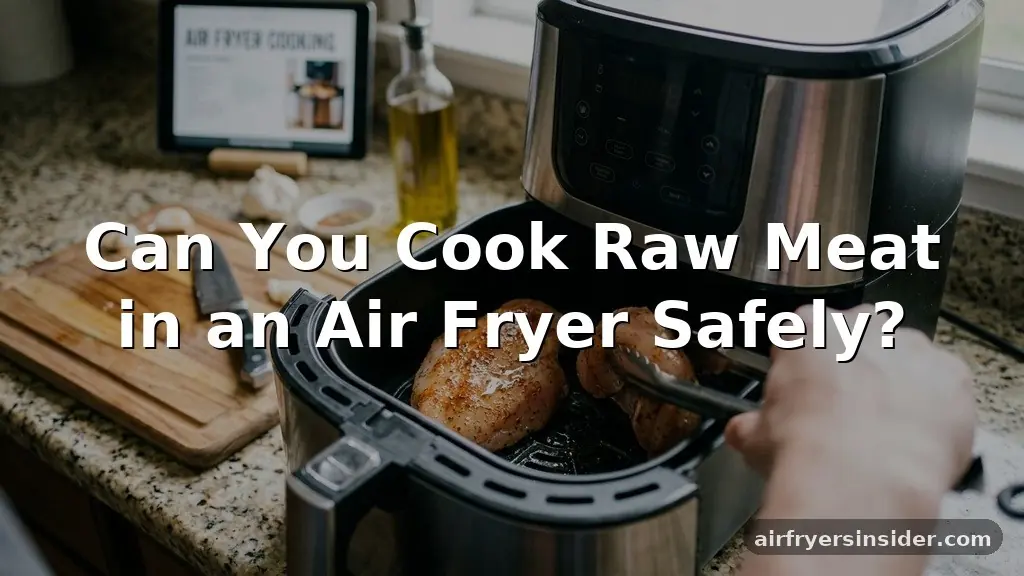
Many home cooks wonder if you can cook raw meat in an air fryer without compromising safety or flavor. The short answer is yes, this appliance is essentially a high-powered convection oven, making it perfectly capable of handling everything from thick cuts of beef to delicate poultry. By circulating hot air rapidly around the food, the device creates a crispy exterior while ensuring the interior reaches a safe temperature.
Whether you are prepping a quick weeknight dinner or experimenting with new recipes, understanding how to manage heat and timing is the key to success. Mastering this process ensures your meals are consistently delicious and entirely safe to consume.
Understanding the Mechanics of Air Fryer Cooking
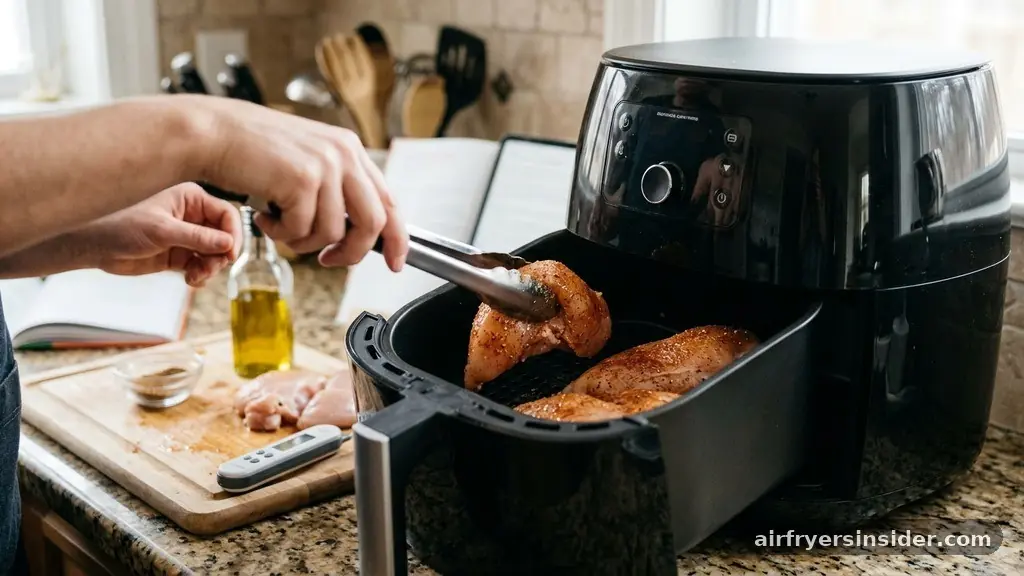
At its core, an air fryer works by using a powerful fan to circulate extremely hot air throughout a small, enclosed cooking chamber. This method of convection cooking is highly efficient because the concentrated airflow reduces the distance heat must travel to penetrate the food.
Unlike a traditional oven, which relies on radiant heat from coils, the air fryer forces heat into the meat, which accelerates the cooking process significantly. This rapid movement of air is what makes it possible to achieve a desirable texture in a fraction of the time required by conventional methods.
Because the chamber is compact, the heat intensity is much higher than in a standard convection oven. This intensity allows for effective browning and the development of a crust through the Maillard reaction, a chemical process that creates complex flavors in proteins. When you cook raw meat in an air fryer, you aren’t just heating it; you are searing the surface while the internal heat rises.
The key is to avoid overcrowding the basket, as this restricts airflow and leads to uneven cooking. Proper spacing ensures that every inch of the meat is exposed to the circulating heat, resulting in a consistent finish.
Prioritizing Safety and Pathogen Destruction
When you decide to cook raw meat in an air fryer, food safety must be your top priority. The primary concern with raw proteins is the presence of bacteria such as salmonella or E. coli. According to USDA guidelines, the only reliable way to ensure these pathogens are neutralized is to reach a specific internal temperature.
Relying on visual cues like color or juice clarity is often misleading. Instead, you must use a reliable meat thermometer to verify that the center of the protein has reached the appropriate safety threshold.
Pathogen destruction occurs when the internal temperature of the meat remains at a high level for a sufficient amount of time. Because air fryers cook so quickly, there is a risk that the exterior will overcook or burn before the center is safe to eat. To prevent this, you may need to adjust your temperature settings.
Lowering the heat slightly and extending the cooking time can help thicker cuts, like a whole chicken breast or a thick steak, cook through to the center without charring the outside. Always sanitize your workspace and tools immediately after handling raw meat to prevent cross-contamination.
Essential Tools for Success
To achieve professional results, you need a few basic tools beyond the appliance itself. A high-quality food thermometer is non-negotiable. Digital instant-read models are preferred because they provide feedback in seconds, minimizing the time the air fryer door stays open.
If you are cooking fatty meats like bacon or certain cuts of pork chops, a splatter guard is an invaluable accessory. It prevents grease from hitting the heating element, which can cause excessive smoke and potentially trigger your fire alarm.
Using parchment paper or aluminum foil can also simplify the cleanup process, though you must use them correctly. Never place a piece of paper or foil in the basket without food on top of it, as the powerful fan can lift the material and push it into the heating element, creating a fire hazard.
If you use these liners, ensure the meat is heavy enough to hold them down firmly. Additionally, having a pair of silicone-tipped tongs is essential for flipping meat halfway through the cycle, which ensures even browning on both sides.
Best Practices for Different Types of Protein
Different meats behave differently in a high-heat environment. For instance, chicken breast is lean and can dry out if overcooked, so keeping a close eye on the clock is vital.
On the other hand, ground beef in the form of meatballs or patties benefits from the air fryer’s ability to render fat quickly, resulting in a juicy interior and a crisp crust. Pork chops, especially those with a bone, require careful monitoring to ensure the meat near the bone is fully cooked.
| Meat Type | Recommended Temp | Internal Goal |
|---|---|---|
| Chicken Breast | 375°F (190°C) | 165°F (74°C) |
| Steak (Medium) | 400°F (200°C) | 145°F (63°C) |
| Ground Beef | 380°F (193°C) | 160°F (71°C) |
| Pork Chops | 375°F (190°C) | 145°F (63°C) |
When working with steak, you can achieve a restaurant-quality sear by preheating your air fryer. Preheating is often overlooked, but it allows the appliance to start the cooking process at the target temperature immediately. This initial burst of heat is necessary to jumpstart the browning process.
If you put a cold steak into a cold air fryer, the meat will steam rather than sear, which ruins the texture. By adjusting the temperature based on the specific protein, you can master the nuances of air frying almost any cut.
Managing Air Circulation and Overcrowding
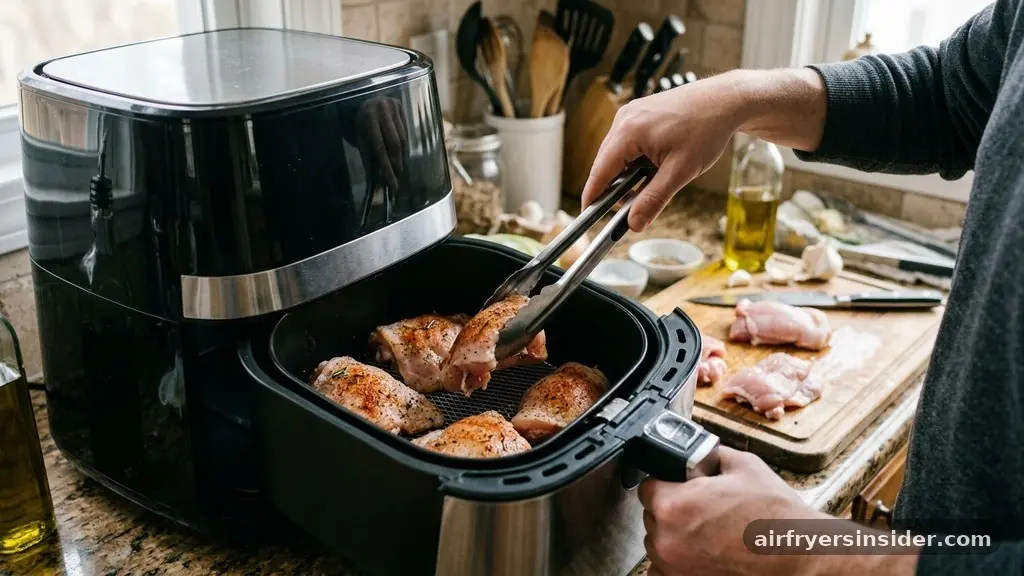
The efficiency of air frying depends entirely on air circulation. When you pack the basket with too many items, you create a barrier that prevents the hot air from reaching the meat surfaces. This leads to soggy spots and uneven cooking.
If you are cooking for a crowd, it is much better to cook in multiple batches rather than trying to cram everything into one cycle. Even if it takes longer, the quality of the final product will be significantly better.
Think of the air fryer basket as a space that needs room to breathe. If the air cannot flow freely between the pieces of meat, the moisture released during cooking will get trapped, creating a humid environment that prevents crisping. You want the opposite: a dry, hot environment that promotes the Maillard reaction.
If you notice your meat is steaming instead of browning, remove some pieces or rearrange them to provide better spacing. This simple adjustment often makes the difference between a mediocre meal and a perfectly cooked dish.
Addressing Potential Smoke and Grease Issues
One of the most common complaints when cooking raw meat in an air fryer is the production of smoke. This usually happens when fat drips onto the bottom of the basket or touches the heating element. As the fat reaches its smoke point, it begins to vaporize and fill your kitchen with acrid fumes.
To mitigate this, consider adding a tablespoon of water to the bottom of the air fryer drawer, underneath the basket. This layer of water catches the dripping fat and prevents it from burning.
Another strategy is to trim excess fat from your meat before placing it in the basket. While fat adds flavor, too much of it can lead to excessive grease buildup, which is difficult to clean and prone to smoking. If you are cooking particularly fatty meats, check the bottom of the basket halfway through the cooking time.
If there is a significant amount of grease, carefully drain it off. This not only reduces smoke but also prevents the meat from frying in its own rendered fat, which might lead to a greasy texture rather than a crispy one.
The Role of Preheating and Residual Heat
Many users assume that because the air fryer is small, it doesn’t need to be preheated. While it is true that air fryers heat up faster than ovens, preheating is still a best practice for searing meats.
Running the appliance empty for three to five minutes ensures that the internal components are at the desired temperature before the raw protein is introduced. This helps in sealing the juices inside and ensuring the outside of the meat reaches the ideal level of browning.
You should also account for residual heat when checking for doneness. Meat continues to cook for a few minutes after you remove it from the heat source. This is known as carry-over cooking.
For larger cuts of meat, you might want to pull them from the air fryer when they are about five degrees below your target temperature. By the time they have rested for five minutes on a cutting board, they will reach the perfect internal temperature. This resting period is also crucial because it allows the muscle fibers to relax and reabsorb juices, making the meat much more tender.
Answering Common Topical Gaps
A common question that often goes unanswered is whether you can cook frozen raw meat directly in the air fryer. The answer is yes, but you must be prepared to adjust your settings.
Frozen meat will take longer to cook and often requires a lower temperature for the first half of the process to ensure the center thaws and cooks without the outside becoming burnt. You should also be aware that frozen meat may release more moisture, so you might need to blot the meat dry or adjust the time to ensure it still crisps up properly.
Another gap in knowledge concerns the use of marinades. While marinating is a great way to add flavor, wet surfaces hinder the browning process. If you want a nice crust, pat the meat dry with a paper towel before placing it in the air fryer.
If you want to use a marinade, consider applying it as a glaze during the last few minutes of cooking or serving it as a sauce on the side. This prevents the moisture from the marinade from turning your crispy exterior into a soft, unappealing texture.
Cleaning and Maintenance After Cooking Meat
Cooking raw meat leaves behind residue that, if not cleaned properly, can harbor bacteria and affect the flavor of your next meal. After every use, especially when dealing with raw proteins, you must deep clean the basket and the tray.
Most modern air fryer baskets are dishwasher safe, but hand washing with hot, soapy water is often more effective at removing stubborn grease. Use a soft sponge to avoid scratching the non-stick coating, as scratches can become breeding grounds for food particles.
Periodically inspect the heating element at the top of the unit. Grease can splatter upward and accumulate there over time. With the unit unplugged and completely cool, use a damp cloth to wipe down the element.
Keeping this area clean is essential not only for food safety but also for the longevity of your machine. A clean air fryer produces better results and is much less likely to emit smoke during use. By incorporating these maintenance steps into your post-cooking routine, you ensure that your appliance remains a reliable tool for preparing meat safely.
FAQ
Is it safe to air fry raw chicken?
Yes, it is perfectly safe to cook raw chicken in an air fryer as long as you ensure it reaches an internal temperature of 165°F (74°C). Always use a food thermometer to check the thickest part of the meat to confirm it is fully cooked through.
What is the best way to prevent smoke when cooking meat?
To prevent smoke, trim excess fat from your meat and ensure the bottom of the air fryer basket is clean. You can also place a small amount of water in the drawer beneath the basket to catch dripping fat and prevent it from burning during the cooking process.
Can I put aluminum foil in the air fryer?
Yes, you can use aluminum foil as long as it is weighed down by the food. Never place empty foil in the basket, as the air circulation can lift it into the heating element, which creates a significant fire hazard. Always ensure proper airflow remains.
Should I preheat my air fryer for meat?
Preheating is highly recommended for cooking raw meat. It allows the appliance to reach the target temperature immediately, which is crucial for achieving a proper sear and developing a crispy crust. A quick three-to-five-minute preheat makes a noticeable difference in the final texture of the meat.
Conclusion
Cooking raw meat in an air fryer is a safe, efficient, and delicious way to prepare your favorite proteins. By following basic food safety standards, using a reliable thermometer, and paying attention to air circulation, you can achieve results that rival traditional cooking methods. Remember to avoid overcrowding the basket, manage your fat drippings to prevent smoke, and always allow your meat to rest after cooking.
Whether you are searing a steak or roasting chicken, the air fryer provides the versatility needed for consistent, high-quality meals. Experimenting with different cuts and seasonings will help you get the most out of your appliance, so don’t be afraid to try new recipes and refine your technique for perfect results every time you cook.
Meta Description: Learn if you can cook raw meat in an air fryer safely. Discover expert tips on temperature, food safety, and techniques for perfect results.