

Many home cooks wonder if they can toast bread in an air fryer, and the short answer is a resounding yes. While a traditional toaster is designed specifically for this task, your air fryer is essentially a high-powered convection oven that can achieve excellent results with a few minor adjustments.
By utilizing rapid air circulation and intense heat from the heating elements, you can transform simple bread slices into perfectly crunchy, golden-brown toast. Understanding how to manage the airflow within your machine is the secret to moving beyond basic browning and achieving the perfect texture for your breakfast or afternoon snack.
How Air Fryers Compare to Traditional Toasters
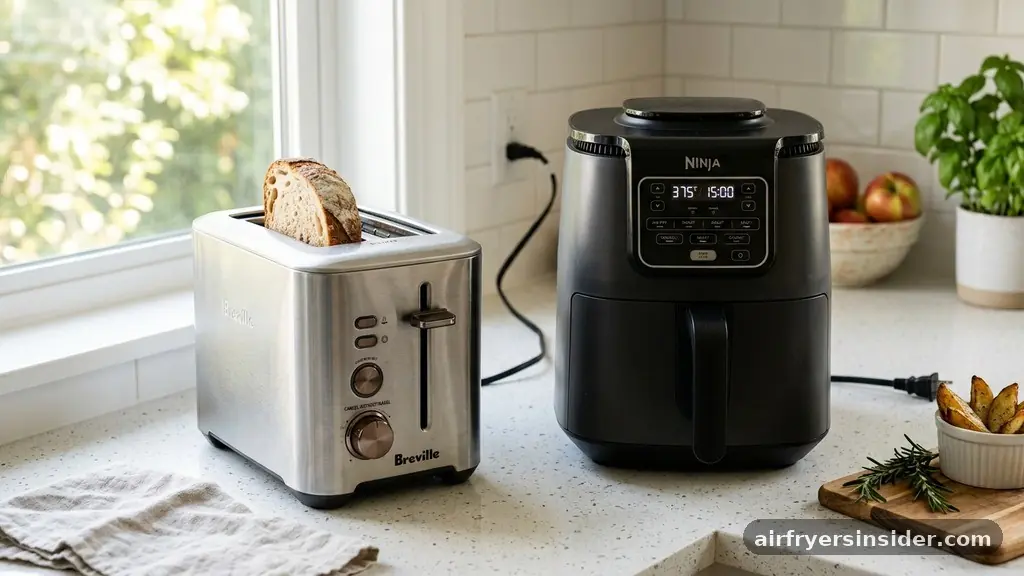
At its core, a toaster works by radiating heat directly onto the surface of the bread via wire coils. Conversely, when you ask whether you can toast bread in an air fryer, you are really asking if a countertop appliance that relies on forced air can mimic that radiant heat. The air fryer utilizes a powerful fan to circulate hot air around the food, which can be more efficient but also more aggressive than a standard toaster.
One primary difference is the footprint of the heat. A toaster is narrow and focused, whereas an air fryer has a larger cavity.
This means your toast might take slightly longer to reach the desired level of crispiness because the machine must heat the surrounding air in the chamber. However, the advantage is the ability to toast larger items, like a thick bagel or an English muffin, which might get stuck or unevenly toasted in a standard pop-up slot.
Managing Airflow and Bread Stability
The most significant challenge when using an air fryer for toast is the fan speed. Because air fryers use high-velocity rapid air circulation, light items like a single slice of bread can sometimes be blown around inside the air fryer basket. If the bread moves during the cooking process, it can flip over, fold, or even get stuck against the top heating element, which creates a potential fire hazard.
To prevent this, you must ensure the bread has enough weight or structure to stay put. If you are toasting a light or airy bread, try to place it in the center of the basket where the airflow is most consistent.
Some users find that placing a small piece of metal rack or a specialized accessory on top of the bread helps hold it down. However, simply using a slightly thicker slice of sourdough or artisanal bread is usually enough to keep it anchored while the heat works its magic.
The Science of the Maillard Reaction in Air Fryers
Achieving that perfect golden brown finish is all about the Maillard reaction, which is the chemical reaction between amino acids and reducing sugars that gives browned food its distinctive flavor. In a toaster, this happens quickly. In an air fryer, the process is slightly different because the constant movement of dry, hot air can sometimes dry out the bread before it achieves the ideal color.
To optimize this reaction, you want the surface of the bread to be hot enough to brown without losing all its internal moisture. If you find your toast is becoming too hard or “cardboard-like,” it is likely because the cooking time was too long at a low temperature. Aim for higher heat for a shorter duration to ensure the surface browns effectively while the interior remains soft and chewy.
Optimal Temperature Settings and Timing
Finding the right temperature control settings is crucial for success. Unlike a toaster with a simple dial, an air fryer gives you granular control.
For most types of bread, a temperature between 350°F and 400°F (175°C to 200°C) is ideal. If you set the temperature too low, the bread will sit in the hot air for too long and become brittle.
Recommended Toasting Parameters
| Bread Type | Temperature | Estimated Time |
|---|---|---|
| Thin Sliced White | 370°F | 2-3 Minutes |
| Sourdough/Thick Slice | 390°F | 3-5 Minutes |
| Bagels | 380°F | 4-6 Minutes |
| English Muffins | 360°F | 3-4 Minutes |
Remember that every machine is different. If your model has a dedicated toast setting, it may automatically adjust the fan speed, but for most people, manual experimentation is necessary. Start on the lower end of the time spectrum and check your bread frequently to avoid burning.
Toppings and Additions

Once you master the basics, you can start experimenting with toppings. One major advantage of an air fryer over a toaster is that you can add toppings before or during the toasting process. If you want to make cheese toast or add garlic butter, the air fryer is superior because it can melt and brown the toppings without the mess associated with a vertical toaster.
- Apply butter to the bread before placing it in the basket for a richer, golden finish.
- Add thin slices of cheese or deli meats to create a quick open-faced sandwich.
- Sprinkle herbs or spices like cinnamon sugar or garlic powder before cooking.
- Use a piece of parchment paper if you are melting sticky toppings to make cleanup easier, though ensure the paper is weighted down by the bread so it doesn’t fly into the heating element.
Avoiding Common Mistakes
Even experienced cooks can stumble when transitioning from a toaster to an air fryer. The most common error is failing to consider the weight of bread.
Very light, airy, or thin bread is the most prone to being lifted by the fan. If you are toasting a very light slice, consider using a slightly lower temperature to reduce the intensity of the fan’s output.
Another frequent mistake is overcrowding the basket. While you can fit more in an air fryer than in a two-slot toaster, you must leave room for the air to circulate.
If the slices are touching or overlapping, the areas where they touch will remain pale and soft, leading to uneven results. Always arrange your slices in a single layer to ensure consistent airflow across every surface.
Addressing Topical Gaps
A common question is whether you need to preheat your air fryer for toast. While preheating is often recommended for meats, it is generally unnecessary for toast.
The air fryer reaches its target temperature very quickly, and the few minutes it takes to heat up while the bread is inside will not negatively affect the quality. In fact, starting from a cold machine can sometimes prevent the bread from drying out too quickly.
Another concern is the safety of the heating element. Some people worry that crumbs will fall into the bottom and burn.
While this is a valid concern, most modern air fryers have a removable basket or tray that is easy to clean. Simply shake out any loose crumbs after each use to keep your appliance running efficiently and to prevent any unwanted smoke during your next cooking session.
The Versatility of Air Fryer Toasting
Beyond simple slices, the air fryer is an incredible tool for more complex tasks like making grilled cheese or toasting thick-cut artisan loafs that wouldn’t fit in a standard unit. Because of the convection oven style of cooking, you get a much more even browning across the entire surface of the bread, including the edges, which often remain white in a standard pop-up toaster.
Whether you are preparing a quick breakfast or a gourmet brunch, the air fryer offers a level of precision that standard toasters simply cannot match. By treating your air fryer as a miniature, high-velocity oven, you open up a world of possibilities for textures and flavors that will change how you view your morning routine.
FAQ Section
Is it better to use an air fryer or a toaster for bread?
It depends on your goal. A toaster is faster and more convenient for basic sliced bread. However, an air fryer is better for thick items like bagels, specialty breads, or when you want to melt toppings like cheese or butter directly onto the bread during the toasting process.
Do I need to flip the bread while it toasts?
You do not strictly need to flip the bread, but doing so can ensure a more even color on both sides. If your air fryer has strong airflow, the top side will usually brown faster. Flipping halfway through the cooking time helps achieve a consistent, perfect golden-brown appearance.
Why does my bread blow around in the air fryer?
Bread blows around because the fan is powerful and the bread slice is light. To prevent this, choose slightly heavier, denser breads like sourdough or whole grain. You can also place the bread in the center of the basket or use a small metal rack to hold the slice down.
Can I use parchment paper in the air fryer for toast?
Yes, you can use parchment paper, but you must ensure it is weighed down by the bread. If the paper is loose, the fan will blow it up into the heating element, which creates a significant fire hazard. Never use parchment paper during preheating without food on top.
Conclusion
Mastering the art of toast in your air fryer is a simple process that yields professional-quality results once you understand how your machine handles airflow and heat. By choosing the right bread, monitoring your cooking time, and experimenting with temperatures, you can produce perfectly crisp, golden-brown toast that rivals anything a traditional appliance can offer. Whether you are melting cheese or simply browning a slice of sourdough, the air fryer proves itself as a versatile, indispensable tool in any kitchen.
Start with lower temperatures to gauge how your specific model performs, and don’t be afraid to adjust your technique as you get comfortable. We invite you to try these methods today and experience a new level of control over your breakfast routine.


