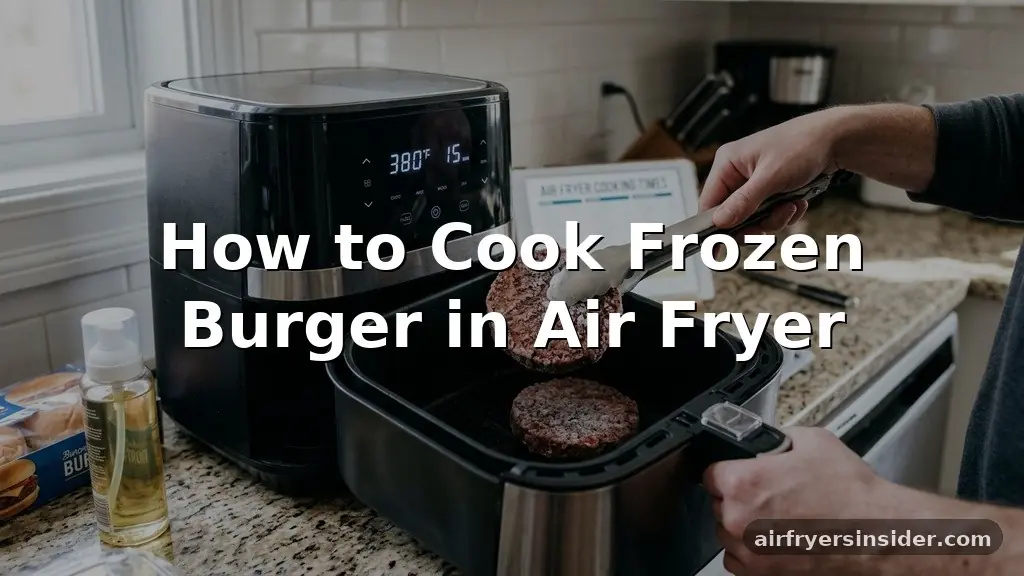
Learning how to cook frozen burger in air fryer setups is one of the most practical skills for anyone who wants a quick, high-quality meal without the hassle of firing up a traditional outdoor grill. You don’t need to thaw your meat beforehand, which makes this method a lifesaver on busy weeknights when you need dinner on the table in under twenty minutes.
By leveraging the intense heat and rapid air circulation of a modern air fryer, you can achieve a juicy, flavorful result that rivals pan-seared versions. Whether you are using pre-formed patties from the grocery store or homemade ones you’ve kept in the freezer, the process is straightforward, efficient, and consistently delivers great results.
Understanding the Mechanics of Air Frying Frozen Meat
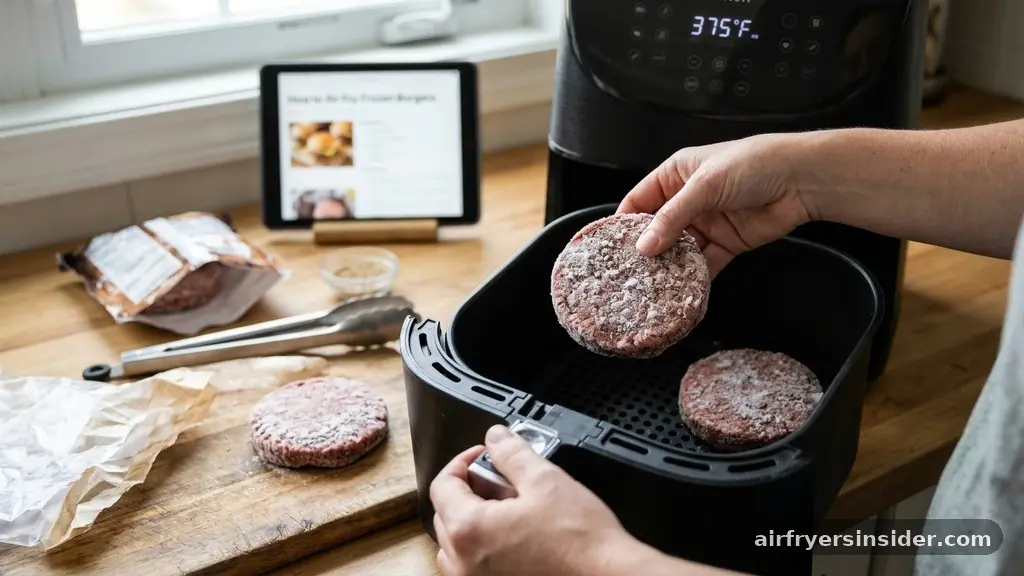
When you decide to cook a frozen burger in an air fryer, you are essentially using a compact convection oven that mimics deep-frying through intense airflow. The primary advantage here is the speed at which the hot air hits the surface of the patty.
Because the burger is frozen, the exterior begins to defrost and sear simultaneously, which is critical for developing a crust. Unlike a microwave, which can leave meat rubbery and gray, the air fryer forces moisture out of the immediate surface area while keeping the internal structure intact.
The secret to success lies in the consistent heat distribution. Most air fryers rely on a powerful fan that circulates air at high speeds, ensuring that every side of the burger receives uniform heat.
This environment is perfect for inducing the Maillard reaction, the chemical process that browns the surface of the meat and creates those deep, savory flavors we associate with a perfect burger. By keeping the temperature steady, you prevent the outside from burning before the center is cooked through, a common struggle when working with frozen goods.
Optimizing Your Appliance for Better Results
Before you drop those patties into the basket, you need to consider the state of your equipment. Preheating is a debated topic, but for frozen items, it is often a significant benefit.
Giving your air fryer three to five minutes to reach the target temperature ensures that the cooking cycle begins with immediate heat application. This jumpstart helps in achieving a better sear right from the start, preventing the patty from steaming in its own juices before the crust can form.
Placement also matters significantly. You should never crowd the basket when cooking frozen meat. If the patties are overlapping or touching, the air circulation will be obstructed, leading to uneven cooking and patches of gray, under-seared meat.
Aim for a single layer with at least an inch of space between each burger. If you are cooking for a larger group, it is better to do multiple batches rather than trying to cram everything in at once. This ensures that the hot air can reach all surfaces, resulting in a consistent texture across every burger you prepare.
Temperature and Timing for Perfect Patties
Finding the right balance between heat and time is essential when you cook a frozen burger in an air fryer. Most experts recommend setting your unit to 375°F or 400°F.
At 400°F, you get a more aggressive sear, which is ideal if you prefer a charred exterior. However, if your patties are particularly thick, a slightly lower temperature of 375°F allows the heat to penetrate the center without drying out the edges.
The cooking time will generally range from 12 to 18 minutes depending on the thickness of the patty and the wattage of your specific air fryer. A standard quarter-pound patty usually takes about 14 minutes at 400°F.
It is vital to flip the burgers halfway through the process to ensure both sides brown evenly. Because frozen patties release a significant amount of water and fat as they thaw during the cooking process, the flip also helps to redistribute the juices, keeping the meat succulent.
| Patty Thickness | Estimated Time (400°F) | Internal Temp Goal |
|---|---|---|
| Thin (1/4 lb) | 10-12 Minutes | 160°F |
| Standard (1/3 lb) | 13-15 Minutes | 160°F |
| Thick (1/2 lb) | 16-20 Minutes | 160°F |
Essential Food Safety and Internal Temperature
When dealing with ground beef, food safety is the highest priority. According to USDA guidelines, ground beef must reach an internal temperature of at least 160°F to ensure that harmful bacteria are eliminated.
Relying solely on the timer on your air fryer is a risky practice because appliances vary in power and efficiency. The only way to guarantee your burger is safe to eat is to use a reliable meat thermometer.
Insert the probe into the thickest part of the patty, ideally through the side rather than the top, to get an accurate reading. If the thermometer reads below 160°F, keep the burger in the air fryer for another minute or two. Remember that resting time is just as important as the actual cooking time.
Once you remove the burgers, let them sit for about three to five minutes on a plate or a wire rack. This allows the internal juices to redistribute throughout the meat, ensuring that every bite is as juicy as possible rather than having the liquid run out immediately upon the first cut.
Managing Grease and Smoke During the Cycle
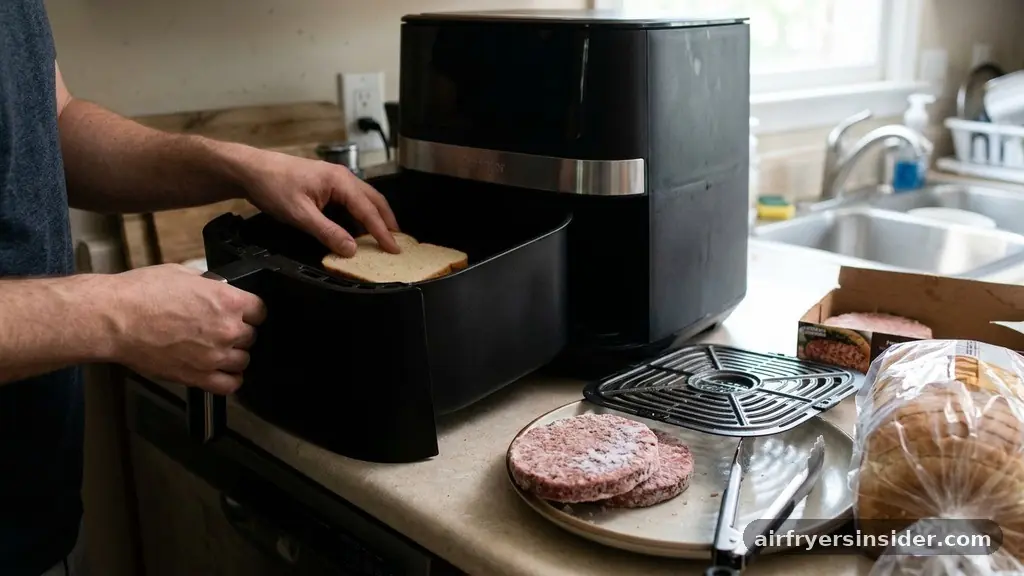
One of the most common complaints when people cook frozen burger in air fryer units is the amount of smoke that can develop. Frozen patties often contain a higher fat content than fresh ground beef, and as this fat renders, it can drip onto the bottom of the air fryer or hit the heating element.
This is often what causes the smoke. To mitigate this, you can place a small amount of water or a slice of bread at the bottom of the drip tray if your model allows it, which helps trap the grease and prevents it from burning.
Using parchment paper can also be a game-changer, but you must be careful. Never place a sheet of parchment paper in the air fryer while it is preheating without food on top to weigh it down, as the fan can blow the paper into the heating element, creating a fire hazard.
Once the burgers are in, the weight of the meat will hold the paper in place. This makes cleanup significantly easier because the rendered fat is contained on the paper rather than caked onto your basket, saving you from aggressive scrubbing later.
Seasoning Strategies for Frozen Patties
Many pre-formed frozen patties come pre-seasoned, but if you are using plain ground beef patties, you need to apply your seasoning strategically. Because the burger starts frozen, you cannot apply dry rubs before you put them in the air fryer, as the seasonings will simply slide off as the ice crystals melt. The best approach is to wait until the burgers have been cooking for about five minutes.
Once the surface has defrosted enough to be tacky, pull the basket out and apply your salt, pepper, garlic powder, or steak seasoning. This ensures the spices adhere to the surface and toast properly in the heat.
If you want a deeper flavor, you can brush the patties lightly with a high-smoke-point oil or a specialized non-stick spray. This promotes a better sear and helps the seasonings bond with the meat, creating a more professional-tasting result that feels less like a quick fix and more like a deliberate culinary choice.
Addressing Topical Gaps in Air Fryer Cooking
You might wonder if there are specific differences when handling different types of frozen patties. For instance, veggie burgers or plant-based alternatives cook significantly faster than traditional beef. If you are preparing meatless patties, reduce your cooking time by about 25% and check them frequently to prevent them from becoming too dry or brittle.
Another common gap is the use of frozen toppings. Some people try to add cheese directly to the burger in the final minutes of cooking, but the high-velocity air in an air fryer can blow the slice of cheese off the patty and onto the heating element.
To solve this, add your cheese only in the final 60 seconds of cooking, or better yet, place the cooked burger on a plate and let the residual heat melt the cheese naturally. If you want a melted, gooey finish, you can tent the burger with a small piece of foil for a minute after removing it from the air fryer. This technique keeps the cheese perfectly melted without the risk of it flying around inside your appliance or making a mess of your cooking chamber.
Common Mistakes to Avoid
Even with a simple process, there are pitfalls that can ruin your meal. One common error is skipping the flip. Without turning the patties, the bottom side will remain pale and potentially undercooked while the top becomes dry.
Another mistake is forgetting to clean the unit between batches. If you are cooking multiple rounds of burgers, the leftover grease in the drip tray will smoke heavily during the second or third batch. Always wipe out the excess fat if you notice significant buildup.
Additionally, don’t ignore the importance of the bun. The air fryer is excellent for toasting buns as well. Once your burgers are resting, you can put your brioche buns in the basket for 60 seconds.
The lingering fat and flavor from the burgers will toast the bread, giving it a delicious, savory crunch that complements the meat perfectly. Avoiding these simple errors ensures that your final result is restaurant-quality, transforming the humble frozen burger into a much more enjoyable experience.
Elevating the Final Experience
Once your burgers are cooked to perfection, the way you assemble them makes all the difference. Start with your toasted bun and add a layer of fresh greens to protect the bottom bread from getting soggy.
Condiment pairing is where you can really shine; a classic mix of mayonnaise, mustard, and a touch of barbecue sauce can cut through the richness of the beef. If you prefer something more adventurous, a spicy aioli or a tangy onion jam can bring a sophisticated edge to the meal.
- Always use a meat thermometer to confirm the internal temperature reaches 160°F.
- Don’t overcrowd the basket; leave space for the air to flow around each patty.
- Flip your burgers halfway through to ensure an even sear on both sides.
- Let your burgers rest for at least three minutes before serving to lock in juices.
- Use parchment paper to simplify cleanup and manage rendered fat effectively.
Pairing your burger with the right sides can also round out the meal. Sweet potato fries or a crisp coleslaw are excellent companions, as they provide a contrast in texture and flavor.
By treating the cooking process with care and attention to detail, you can turn a frozen staple into a high-quality lunch or dinner that satisfies any craving. The air fryer is truly a versatile tool for the modern kitchen, and with these techniques, you’ll find yourself relying on it more often for quick, delicious meals.
Frequently Asked Questions
Is it safe to cook a frozen burger in an air fryer?
Yes, it is perfectly safe as long as you ensure the internal temperature reaches 160°F. Using a meat thermometer is the best way to verify the burger is cooked through, regardless of the cooking time, which helps guarantee that any harmful bacteria are effectively eliminated during the process.
What is the ideal temperature to cook frozen burgers?
Setting your air fryer to 400°F is generally the best approach for frozen burgers. This high temperature allows for a quick sear on the outside, which is necessary to create a crust, while still ensuring the inside of the patty cooks through to a safe, juicy finish.
Do I need to flip the burgers while they are air frying?
Yes, flipping is essential for even cooking. Because the air circulates from the top, the bottom of the patty will not brown properly if it stays in one position. Flipping the burgers halfway through the cooking time ensures both sides get equal exposure to the heat.
Can I add cheese to the burgers in the air fryer?
It is better to add cheese after the cooking cycle is complete. The high-speed fan can easily blow a slice of cheese off the patty and onto the heating element, which creates a mess and potential smoke. Instead, add cheese immediately after removing the burger and let it melt.
Conclusion
Mastering the process of how to cook frozen burger in air fryer setups allows for a convenient and reliable way to enjoy a classic meal without the need for extensive prep or outdoor equipment. By focusing on temperature control, proper placement within the basket, and the essential step of verifying internal heat, you can produce a patty that is consistently juicy and well-seared. These techniques not only save you time but also help you avoid the common pitfalls like uneven cooking or excess smoke.
Incorporating these simple habits into your routine will make your air fryer an indispensable part of your kitchen, ready to deliver a satisfying burger whenever the mood strikes. Enjoy experimenting with different seasonings and condiments to make each batch your own, and don’t hesitate to share these methods with others looking for a better way to handle frozen meals.
Meta Description: Learn how to cook frozen burger in air fryer to achieve a juicy, restaurant-quality result. Discover tips on temperature, seasoning, and safety.