

Learning how to cook hamburgers in an air fryer transforms a classic meal into a quick, mess-free experience. Many home cooks find that the intense, concentrated convection heat creates a crust similar to traditional grilling without the hassle of firing up the barbecue.
By managing your patty thickness and monitoring the internal temperature, you can achieve a juicy, flavorful burger that rivals your favorite restaurant version. Whether you are craving a quick weeknight dinner or preparing for a small gathering, mastering the timing and technique ensures consistent, delicious results every time you fire up the appliance.
Selecting the Right Ground Beef for Air Frying
The foundation of a high-quality burger starts long before the meat hits the heat. When you choose your protein, look for a 80/20 lean-to-fat ratio.
This specific balance is essential because the fat renders down during the cooking process, keeping the meat moist while it undergoes the rapid heating process inside the air fryer. If you select meat that is too lean, such as a 95/5 blend, your patties are likely to dry out quickly under the high-velocity air, resulting in a crumbly texture that lacks the rich mouthfeel of a classic diner-style burger.
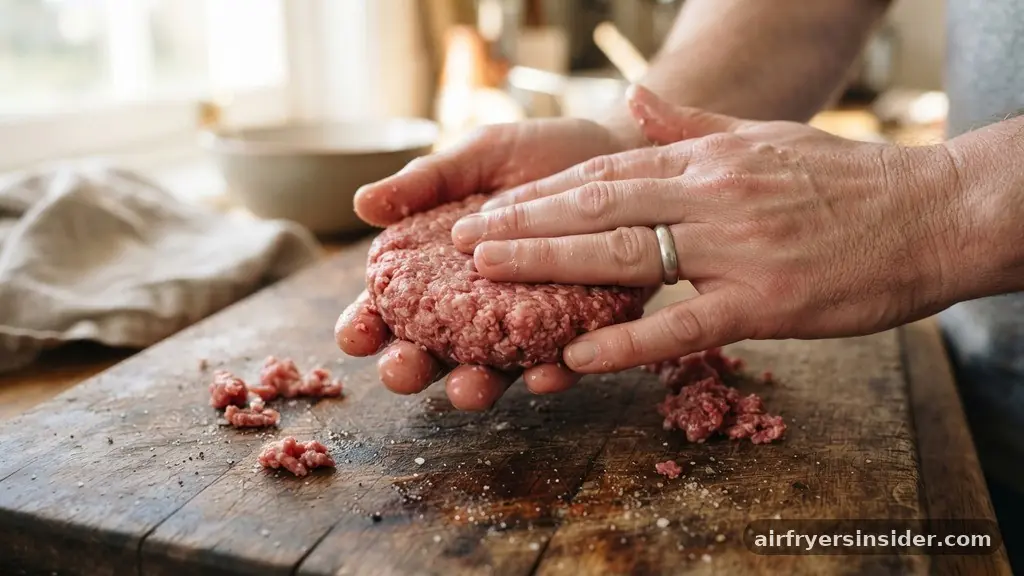
Beyond the fat content, consider the grind texture. A medium grind is generally superior for burgers because it holds its shape while allowing enough space for the juices to circulate. When shaping your patties, avoid overworking the meat.
Gently handle the ground beef and press it into a disk that is slightly wider than your bun, as the meat will shrink as the fats render. Aim for a thickness of about three-quarters of an inch. A consistent patty thickness ensures that your burgers cook evenly, preventing the edges from becoming charred while the center remains raw.
The Science of the Maillard Reaction in Convection
The Maillard reaction is a chemical process between amino acids and reducing sugars that gives browned food its distinctive flavor. Achieving this on a stovetop usually requires a heavy cast-iron skillet, but an air fryer can replicate this effect using high-speed convection heat.
Because air fryers move hot air around the food with such intensity, the surface of the patty dehydrates quickly, which is the first step toward achieving a beautiful, savory crust. This crust acts as a seal, locking in the natural juices of the meat.
To maximize this reaction, ensure your patties are dry before they go into the basket. If the surface is wet, the appliance will spend the first few minutes of the cooking time evaporating moisture rather than browning the meat. You can lightly pat the exterior of the patties with a paper towel before applying your seasoning.
Additionally, do not overcrowd the basket. If the patties are touching, the air cannot circulate effectively, and the burgers will steam rather than sear. A small amount of space between each patty is the difference between a grey, boiled-looking burger and a deeply browned, flavorful one.
Essential Seasoning and Prep Techniques
Seasoning is often overcomplicated, but for a classic hamburger, simplicity is your best friend. A generous coating of coarse kosher salt and freshly cracked black pepper is usually sufficient to highlight the flavor of the beef.
Apply the seasoning just before you place the patties in the air fryer. If you salt the meat too early, the salt can draw out moisture through osmosis, potentially toughening the texture before the cooking process even begins.
Some cooks prefer to add a small amount of oil spray to the surface of the patties. While the fat in the 80/20 beef is often enough, a light mist can help encourage the browning process. If you want to experiment, you can mix in aromatics like garlic powder or onion powder, but be careful with fresh ingredients like chopped onions or herbs, as they can burn under the intense heating element.
Always keep your seasoning consistent across all patties to ensure that every bite delivers the same savory punch. Once seasoned, place the patties directly onto the rack, or use a piece of parchment paper if you want to minimize cleanup, provided your model allows for it without blocking airflow.
Understanding Proper Cooking Times and Temperature
Cooking times vary based on the wattage of your specific air fryer and the thickness of the patties. As a general rule, cooking at 375°F (190°C) is the sweet spot for most air-fried burgers.
At this temperature, the exterior browns efficiently without burning, and the interior reaches the desired doneness without drying out. For a standard medium-well patty, you are looking at approximately 8 to 12 minutes of total cooking time.
Flipping is an important part of the process, even in an air fryer. While the convection heat is strong, the bottom of the patty often stays in contact with the tray or rack, which can lead to uneven browning. Flipping the burgers halfway through the cycle ensures that both sides develop that desirable crust.
If you are using a meat thermometer, which is the only truly accurate way to measure doneness, check the thickest part of the patty. According to USDA guidelines, ground beef should reach an internal temperature of 160°F to ensure food safety.
| Doneness Level | Internal Temperature | Estimated Time (at 375°F) |
|---|---|---|
| Medium-Rare | 130°F – 135°F | 6 – 7 minutes |
| Medium | 140°F – 145°F | 8 – 9 minutes |
| Medium-Well | 150°F – 155°F | 10 – 11 minutes |
| Well-Done | 160°F+ | 12+ minutes |
Managing Fat and Smoke in Your Appliance
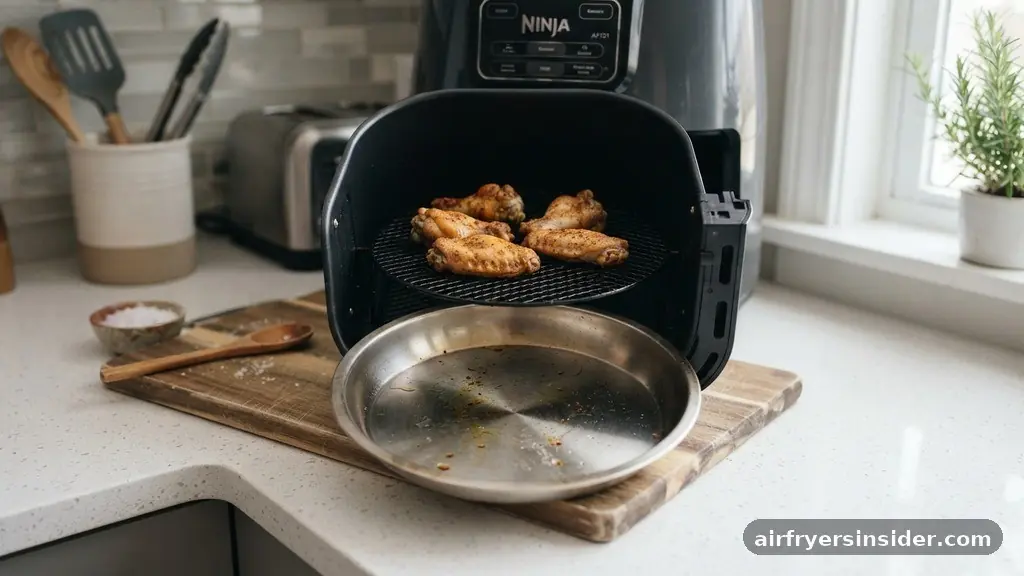
One of the most common complaints when cooking hamburgers in an air fryer is the potential for smoke. Since the air fryer is essentially a high-powered convection oven, hot fat hitting the bottom of the unit can quickly reach its smoke point.
To mitigate this, place a small piece of bread or a shallow heat-safe dish at the bottom of the drip tray to absorb the rendered fat. Alternatively, you can add a tablespoon of water to the base of the air fryer to prevent the drippings from burning, which also helps keep the interior of the machine cleaner.
If you notice a significant amount of splatter, it usually means your fat content is too high or your temperature is set higher than necessary. Keep the unit clean between batches. A buildup of grease on the heating element can cause unpleasant odors and smoke in subsequent cooking sessions.
By keeping the drip tray clean and using the bread-soak trick, you can enjoy your burgers without setting off your kitchen smoke alarm. This maintenance step is vital for the longevity of your air fryer and the quality of your future meals.
Handling Frozen Patties Versus Fresh
Many people turn to the air fryer for the convenience of using frozen patties. You can absolutely cook frozen burgers, but you must adjust your expectations and your timing.
Because the meat is starting from a frozen state, it will release more moisture as it thaws in the heat. It is best to start the cooking at a slightly lower temperature for the first few minutes to allow the center to thaw, then increase the heat to finish the browning process.
When working with frozen patties, do not try to flip them until they have started to thaw and loosen from the rack. Forcing a spatula under a frozen, stuck patty will only tear the meat and ruin its structural integrity.
You will likely need to add an extra 3 to 5 minutes to the total cooking time compared to fresh patties. Always use your meat thermometer to verify that the center has reached a safe temperature, as frozen products can sometimes have cold spots that remain undercooked even when the exterior looks perfectly seared.
Topical Gaps: Air Frying vs. Pan Searing
A common question is whether air frying is actually superior to pan-searing. Pan-searing in a cast-iron skillet allows for a deep, continuous crust because the meat is in direct contact with a hot surface. The air fryer, conversely, relies on moving air.
While you get a great crust in an air fryer, it may not be quite as thick or uniform as what you achieve in a pan. However, the air fryer is significantly cleaner. Pan-searing often results in grease splattering all over your stovetop, whereas the air fryer contains the mess within its basket.
Another gap in common knowledge is the issue of moisture loss. Because the air fryer uses constant airflow, it can dry out a burger faster than a pan. To counter this, many enthusiasts use a “resting” period.
Once the burger reaches your target internal temperature, remove it from the air fryer and let it sit on a plate for two to three minutes. This allows the internal juices to redistribute throughout the patty. If you skip this step, the first bite will be significantly drier than if you had given the meat a moment to stabilize.
Optimizing Your Air Fryer Setup
To get the most out of your appliance, you need to understand your specific model’s airflow patterns. Most air fryers have a fan located at the top. The food directly beneath this fan usually browns faster than food near the edges of the basket.
If you are cooking multiple burgers at once, be aware of this layout. You may need to rotate the patties halfway through the cooking process, in addition to flipping them, to ensure that every burger is cooked to the same degree of doneness.
Parchment paper is a popular tool for easy cleanup, but use it with caution. Never place parchment paper in the air fryer during the preheating phase without food on top of it, as the light paper can be sucked up into the heating element and cause a fire hazard. Always weigh the paper down with your patties immediately.
If you prefer not to use parchment, a light coating of oil on the basket rack is usually enough to prevent sticking. Investing in a silicone mat designed for air fryers is another excellent, reusable option that provides a non-stick surface without the risk of loose paper.
Common Mistakes to Avoid
Even experienced cooks can fall into traps when learning how to cook hamburgers in an air fryer. One frequent error is forgetting to preheat the unit. Just like an oven, an air fryer needs to be at the target temperature before the food enters the basket.
If you start with a cold unit, the meat will sit in the basket while the temperature climbs, which can lead to a grey, unappetizing color and a rubbery texture. Give your unit at least three to five minutes to reach 375°F before you start.
Another mistake is neglecting to season the burger after it is cooked. While you season the raw meat, a tiny pinch of finishing salt or a small dab of compound butter on the warm patty right before serving can significantly enhance the flavor profile. Finally, don’t ignore the bun.
While the meat is resting, you can lightly toast your buns in the air fryer for the last minute of cooking time. This adds a nice crunch and prevents the juices from the burger from making the bread soggy.
Frequently Asked Questions
Do I really need to use a meat thermometer?
Yes, using a meat thermometer is the most reliable way to ensure your burgers are cooked safely. Since air fryers vary in power and the thickness of patties changes, relying on time alone is imprecise. A thermometer guarantees you hit the 160°F mark for safety every time.
Can I add cheese to my burger in the air fryer?
You can, but timing is critical. Add your slice of cheese during the final minute of cooking. If you add it too early, the high-velocity air will blow the cheese off the patty and onto the heating element, creating a messy situation and potentially causing smoke.
Should I preheat my air fryer before cooking burgers?
Preheating is highly recommended. Starting with a hot basket ensures an immediate sear, which is essential for the Maillard reaction. Without preheating, the burger will slowly warm up, resulting in a less flavorful crust and a texture that is closer to steamed meat than grilled.
Is it better to flip the burgers halfway through?
Flipping is necessary for even cooking. The air fryer circulates heat from the top, so the bottom of the patty will naturally cook slower than the top. Flipping ensures that both sides develop a consistent crust and that the center reaches the proper temperature at the same time.
Conclusion
Mastering the art of cooking hamburgers in an air fryer is a rewarding skill that brings efficiency and flavor to your kitchen. By focusing on the quality of your ground beef, maintaining proper air circulation, and using a thermometer to track the internal temperature, you can produce a restaurant-quality meal without the mess of traditional frying or the effort of outdoor grilling. Remember to let your patties rest after they come out of the heat, as this small step significantly improves the final texture and juiciness.
With these techniques in your repertoire, you will find that the convenience of the air fryer doesn’t require you to sacrifice the classic experience of a delicious, well-cooked burger. Experiment with your favorite seasonings and toppings, and enjoy the ease of this modern cooking method.
Meta Description: Learn how to cook hamburgers in an air fryer with this guide on temperature, timing, and techniques for juicy, perfectly seared results every time.


