

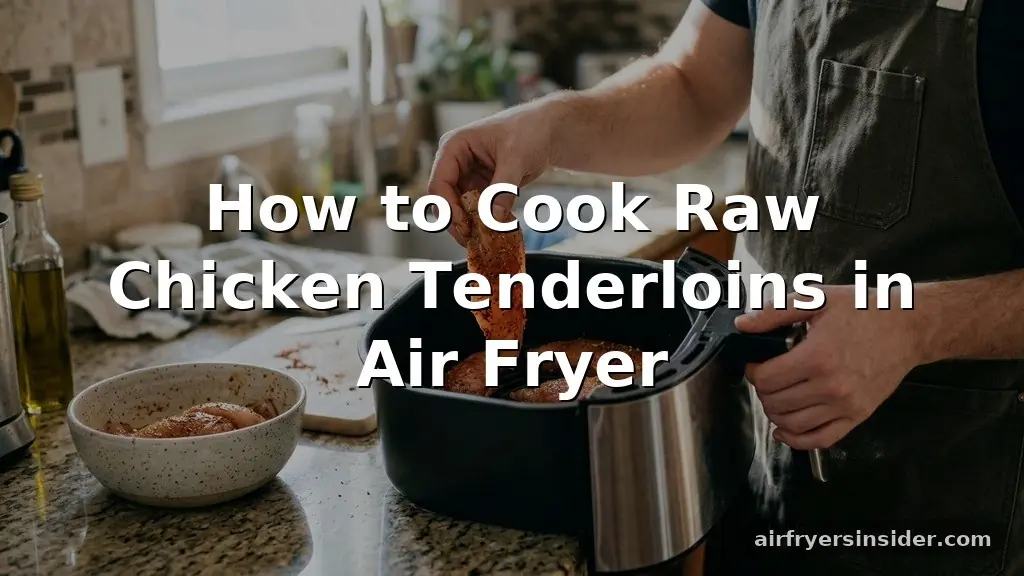
Mastering the art of cooking raw chicken tenderloins in air fryer setups provides a reliable way to get dinner on the table without the mess of deep frying. Because these small strips of meat are lean and tender, they respond exceptionally well to the intense, rapid airflow of modern appliances.
You can achieve a restaurant-quality result right in your kitchen, provided you manage moisture and heat levels effectively. Whether you are aiming for a simple, healthy weeknight meal or a crunchy, breaded treat for the family, understanding the mechanics of convection cooking will ensure your poultry remains juicy while developing that desirable, golden brown exterior.
Understanding the Basics of Air Fryer Poultry Preparation
When you decide to start cooking raw chicken tenderloins in air fryer baskets, the first thing to recognize is that you are essentially using a compact, high-powered convection oven. The fan circulates hot air at high speeds, which is perfect for dehydrating the surface of the meat just enough to create a crispy texture while locking in the natural juices. Unlike a traditional oven, the air fryer forces heat directly onto the surface of the food, meaning your cook time will be significantly shorter.
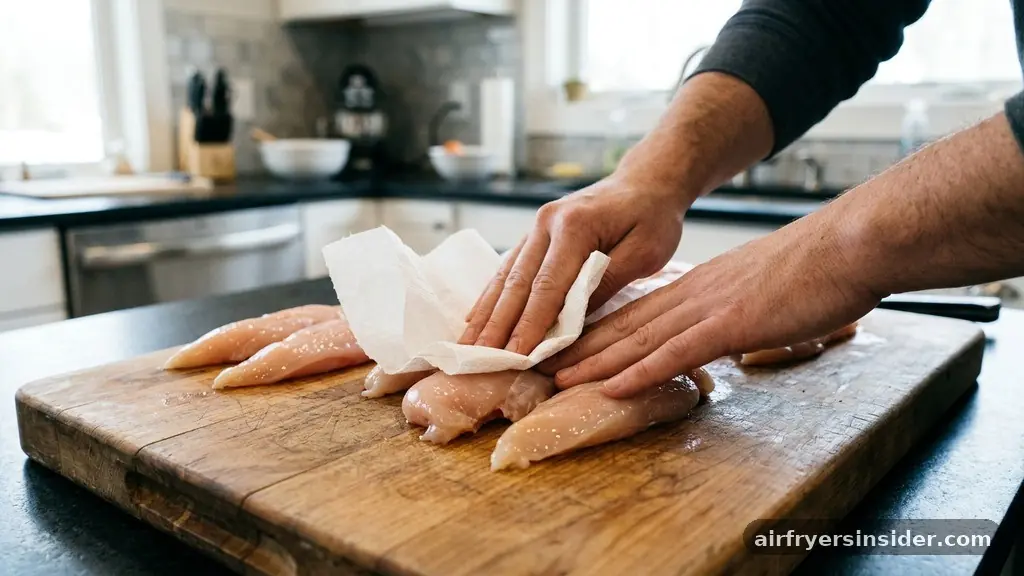
Preparation is the foundation of success here. Before you even think about seasoning, ensure your chicken is patted dry with paper towels. Excess moisture is the enemy of crispiness.
If the surface of the meat is damp, it will steam rather than sear, leading to a rubbery exterior rather than a satisfying crunch. Once dry, applying a light coat of olive oil spray helps distribute heat evenly and allows your dry rub or spices to adhere properly.
Managing Internal Temperature and Food Safety
Food safety remains the most critical aspect of handling poultry. You must ensure your chicken reaches a safe internal temperature of 165 degrees Fahrenheit to eliminate any risk of foodborne illness.
Relying on visual cues like the color of the meat is often deceptive. A reliable digital meat thermometer is the only way to guarantee that your chicken is cooked through while still being tender and moist.
Salmonella prevention starts long before the machine is turned on. Always keep raw meat away from other ingredients, and wash your hands and any surfaces that came into contact with the raw chicken immediately. Using a dedicated cutting board is a smart practice to avoid cross-contamination.
When you check the temperature, insert the probe into the thickest part of the tenderloin, ensuring it does not touch the basket or bone, if applicable. Remember that the meat will continue to cook slightly due to residual heat after you remove it from the device.
Optimizing the Cooking Environment
Preheating your air fryer is a step that many home cooks skip, but it makes a massive difference in the final quality of the chicken. When you place cold meat into a cold basket, the surface doesn’t sear immediately, which can result in a loss of moisture. Preheating for three to five minutes at the desired temperature creates a hot environment that jumpstarts the cooking process.
Air circulation is the secret sauce behind the air fryer’s efficacy. If you crowd the basket, the air cannot flow around each piece of chicken, leading to uneven results where some parts are overcooked and others remain raw.
Arrange your tenderloins in a single layer, ensuring there is enough space between them for the air to move freely. If you are cooking for a large group, it is much better to cook in batches than to overload the unit and sacrifice the quality of your meal.
Selecting the Right Coating and Texture
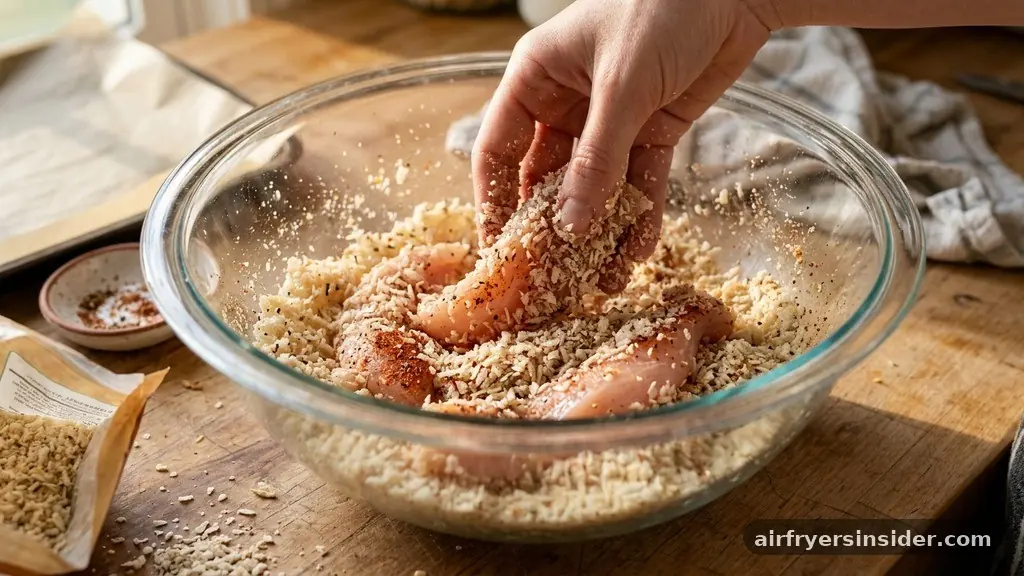
How you coat your chicken depends entirely on the outcome you desire. For a classic, crunchy exterior, many cooks prefer using panko breadcrumbs or a mixture of flour and cornstarch. Cornstarch is particularly effective because it absorbs moisture from the surface of the meat, resulting in a lighter, crispier crust compared to using flour alone.
If you are looking for a healthier alternative, a simple dry rub works wonders. Paprika, garlic powder, onion powder, and a touch of brown sugar create a savory, slightly caramelized crust without the need for breading.
If you do opt for breading, remember that the coating needs a little bit of fat to brown properly. A light application of non-stick cooking spray or olive oil spray over the breaded surface will facilitate that golden brown color and prevent the breading from tasting chalky or dry.
The Role of Marinades and Seasoning
Using a marinade is an excellent strategy to infuse flavor into the meat before it hits the heat. Since chicken tenderloins are relatively small and lean, they soak up marinades quickly. A simple combination of acidic ingredients like lemon juice or yogurt, combined with oil and herbs, can help break down the fibers and keep the meat succulent.
Be mindful of the ingredients in your marinade. If you use a high-sugar sauce, it may burn during the high-heat cooking process.
If you want to use a glaze, it is often better to apply it toward the final two minutes of cooking or brush it on after the chicken is removed from the air fryer. This keeps your flavors bright and prevents the sugars from turning into an acrid, burnt mess that ruins the flavor of the tenderloin.
Common Mistakes to Avoid
Even experienced cooks can fall into traps when learning how to cook raw chicken tenderloins in air fryer units. One of the most common errors is setting the temperature too high for too long.
While 400 degrees Fahrenheit is a standard setting for many air fryer recipes, it can cause the exterior to burn before the center of a thick tenderloin reaches the safe internal temperature. If you notice your chicken browning too fast, don’t hesitate to drop the temperature to 375 degrees Fahrenheit to allow the center to catch up.
Another frequent oversight is neglecting the resting period. Allowing your chicken to sit for three to five minutes after cooking is essential.
This short wait lets the internal juices redistribute throughout the meat, ensuring that every bite is as juicy as the first. Cutting into the chicken the second it leaves the basket causes those precious juices to run out onto your plate, leaving the meat dry and stringy.
Comparison of Cooking Methods
To understand why the air fryer is so popular for chicken, it helps to look at how it stacks up against traditional cooking methods. The following table highlights the differences in terms of texture, speed, and health profile.
| Method | Texture | Cook Time | Fat Content |
|---|---|---|---|
| Deep Frying | Very Crispy | Fast | High |
| Air Frying | Crispy | Fast | Low |
| Oven Baking | Soft/Dry | Slow | Low |
As shown, air frying hits the “sweet spot” for most home cooks, providing a texture that mimics deep frying while keeping the fat content significantly lower.
Addressing Frequently Asked Questions
How long does it take to cook raw chicken tenderloins in an air fryer?
Typically, raw chicken tenderloins take between 10 and 15 minutes at 375 to 400 degrees Fahrenheit. The exact time depends on the thickness of the meat and whether it is breaded. Always use a meat thermometer to ensure the internal temperature reaches 165 degrees Fahrenheit.
Can I cook frozen chicken tenderloins directly in the air fryer?
Yes, you can cook them from frozen, but you should increase the cooking time by about 30 to 50 percent. It is also important to season the chicken after it has thawed slightly in the heat, as seasonings will not stick to a frozen, icy surface.
Should I use parchment paper in the air fryer?
Using parchment paper can make cleanup easier, especially if you are using a breading or a sticky marinade. However, ensure the paper is designed for air fryers and that it is weighed down by the food, or it may blow into the heating element and cause a fire.
What is the best way to keep the chicken from sticking to the basket?
Always ensure the basket is clean and properly seasoned or coated with a light layer of non-stick cooking spray before adding the chicken. If you are using breading, make sure the coating is well-adhered to the meat to prevent it from sticking to the metal grate.
Filling Topical Gaps: Advanced Tips for Success
Many guides fail to mention the importance of the specific cut, the chicken breast fillet, versus the tenderloin. While they are often used interchangeably, the tenderloin is a specific muscle that is naturally more delicate. Because it is smaller, it is prone to drying out if overcooked by even a minute or two.
Always prioritize the internal temperature over the clock. If your timer says 12 minutes but the meat is already at 165 degrees Fahrenheit, stop the machine immediately.
Another often overlooked tip is the use of a dry rub versus a wet marinade. If you are in a rush, a high-quality poultry seasoning rub is much more effective than a liquid marinade, which requires hours of soaking to penetrate the meat. For the best flavor, apply your dry rub at least 15 minutes before cooking so the salt can draw some moisture to the surface and then reabsorb, which actually helps with the final sear.
Finally, consider the air circulation pattern of your specific air fryer model. Some units move air more aggressively than others.
If you find your chicken is browning unevenly, flipping the pieces halfway through the cook time is a non-negotiable step. This ensures that both sides receive equal exposure to the hot, moving air, resulting in a consistent, professional-grade finish that looks just as good as it tastes.
Conclusion
Cooking raw chicken tenderloins in air fryer appliances is a straightforward process that rewards precision and patience. By focusing on managing moisture, respecting food safety guidelines, and ensuring proper air circulation, you can transform simple poultry into a meal that is both healthy and satisfying. Remember that every air fryer has its own quirks, so treat the suggested times as a baseline and rely on your thermometer to tell you when the job is done.
Start with a basic seasoning blend to get a feel for how your machine handles heat, and don’t be afraid to experiment with different coatings or spices once you have mastered the fundamentals. With these techniques in your repertoire, you will find that preparing high-quality, crispy chicken is a fast and easy part of your weekly routine, keeping your kitchen cool and your dinner guests impressed.


