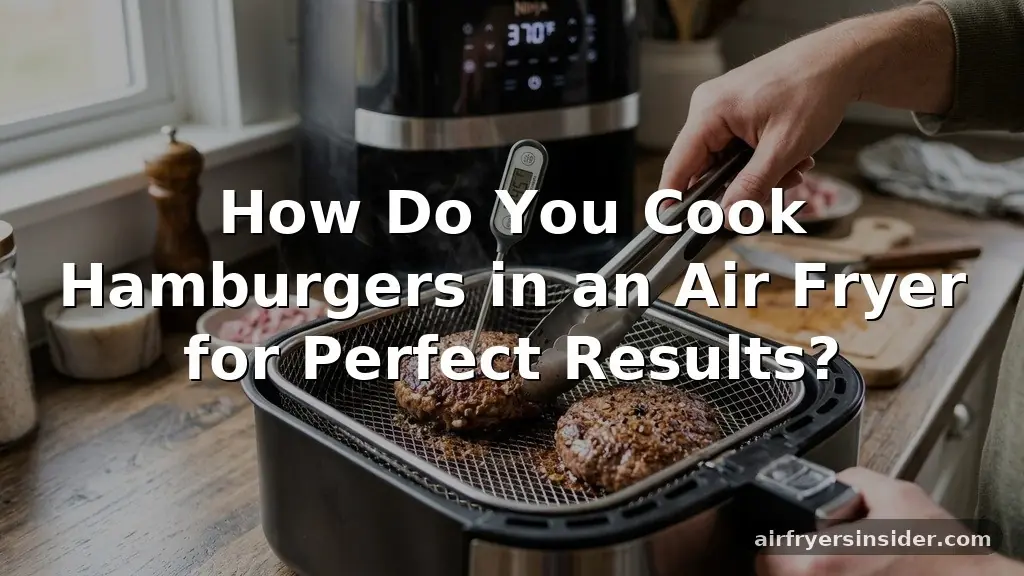
Learning how do you cook hamburgers in an air fryer transforms the way you approach weeknight dinners by offering a mess-free alternative to traditional grilling. Many home cooks discover that this countertop appliance provides a superior texture, mimicking the char of a restaurant-style patty without the constant threat of flare-ups.
By mastering the precise balance of heat and timing, you can achieve a juicy interior and a crisp exterior every single time. Whether you are using fresh ground beef or quick-thawing frozen patties, this method provides consistent results that are hard to replicate on a standard stovetop.
The Science of Convection Cooking for Beef
When you decide how do you cook hamburgers in an air fryer, you are essentially utilizing a high-powered convection oven. The magic happens through rapid air circulation, which forces heat to move around the meat at a much higher velocity than a conventional oven.
This movement is critical for the Maillard reaction, the chemical process that creates the deep, savory browning on the surface of your burger. Because the air is constantly moving, the moisture on the surface of the patty evaporates quickly, allowing that delicious crust to form without needing to submerge the meat in oil.
Unlike a pan, which relies on direct conductive heat, the air fryer surrounds the patty on all sides. This means you do not have to worry as much about the bottom of the burger burning while the top remains pale. However, you must be mindful of the smoke point of any fat rendered during the process.
If you are using very high-fat ground beef, the dripping fat can hit the heating element, leading to smoke. Using a layer of parchment paper with holes or simply keeping the basket clean helps manage this, ensuring the appliance remains a convenient tool rather than a kitchen hazard.
Selecting the Right Ground Beef
The quality and composition of your ground beef dictate the final flavor and texture of your burger. While it might be tempting to reach for the leanest package on the shelf, you actually need a certain amount of beef fat content to keep the patty juicy during the high-heat cycle of an air fryer.
Ideally, you should aim for an 80/20 ratio. The 20 percent fat content provides the necessary moisture that keeps the burger from drying out under the intense, dry heat of the convection fan.
If you choose a blend that is too lean, the burger will likely turn out crumbly or tough. Conversely, an extremely high fat content will lead to excessive rendering, which can create a greasy mess in the base of your air fryer basket. When shaping your patties, try to keep them uniform in size and slightly wider than your brioche buns, as they will shrink as the fat renders out.
Avoid overworking the meat, as this creates a dense, sausage-like texture. A gentle touch ensures that the air can penetrate the patty effectively, leading to a more tender finished product.
Mastering Temperature and Timing
Determining the correct temperature is the most common hurdle for beginners. Most experts recommend setting your machine to 375°F (190°C) as a baseline.
This temperature is high enough to sear the exterior quickly while allowing the center to reach the target internal temperature without drying out. If you prefer a thicker patty, you might drop the temperature to 350°F to ensure the middle cooks through before the outside becomes too dark.
Time and Temperature Guidelines
| Patty Thickness | Temperature | Estimated Time | Doneness |
|---|---|---|---|
| 1/2 inch | 375°F | 8-10 minutes | Medium |
| 3/4 inch | 375°F | 10-12 minutes | Medium-Well |
| 1 inch | 350°F | 12-15 minutes | Well Done |
Following these guidelines ensures you aren’t guessing when the meat is ready. Always remember that preheating your air fryer for three to five minutes before adding the patties can significantly improve the sear. When you start with a hot basket, the Maillard reaction begins the moment the meat touches the surface, locking in the juices more effectively than if the appliance starts cold.
Safety Protocols and Internal Temperatures
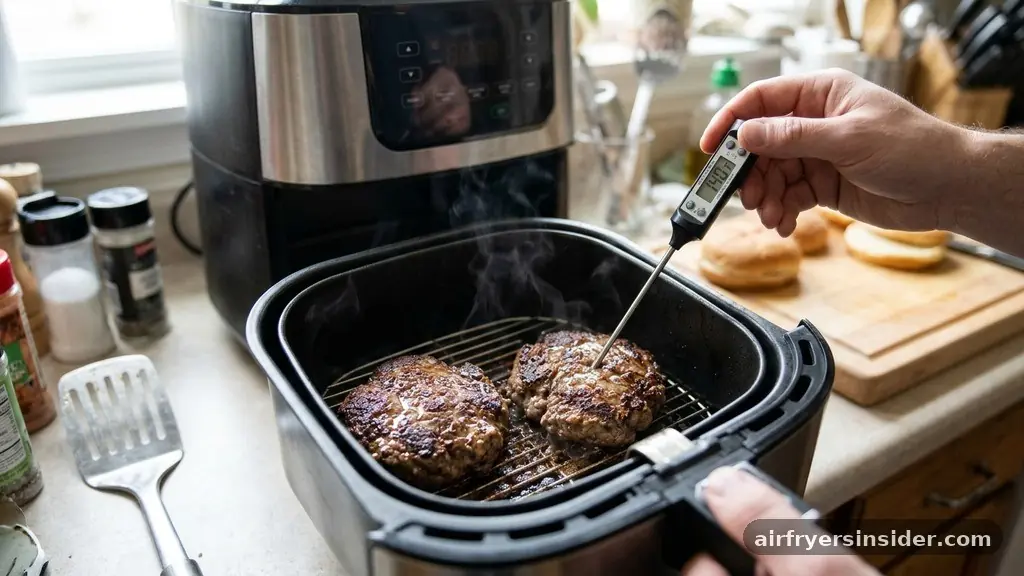
When you learn how do you cook hamburgers in an air fryer, food safety must remain a top priority. Relying on visual cues like color is never a substitute for using a reliable meat thermometer.
According to official USDA guidelines, ground beef should reach an internal temperature of 160°F to ensure that any potential pathogens are eliminated. Because air fryers can vary in performance based on their size and wattage, your specific unit might cook faster or slower than a neighbor’s model.
Essential Food Safety Tips
- Always wash your hands thoroughly before and after handling raw meat to prevent cross-contamination.
- Use a dedicated cutting board for raw beef and sanitize it immediately after use.
- Never place cooked burgers back on the same plate that held the raw patties.
- Keep your kitchen ventilation running, as air fryers can sometimes release a significant amount of steam and smoke during the cooking process.
Checking the temperature at the thickest part of the burger is the only way to guarantee the meat is safe to consume. If you are cooking multiple patties at once, check each one individually, as the air circulation might not be perfectly even throughout the basket.
Handling Frozen Patties Successfully
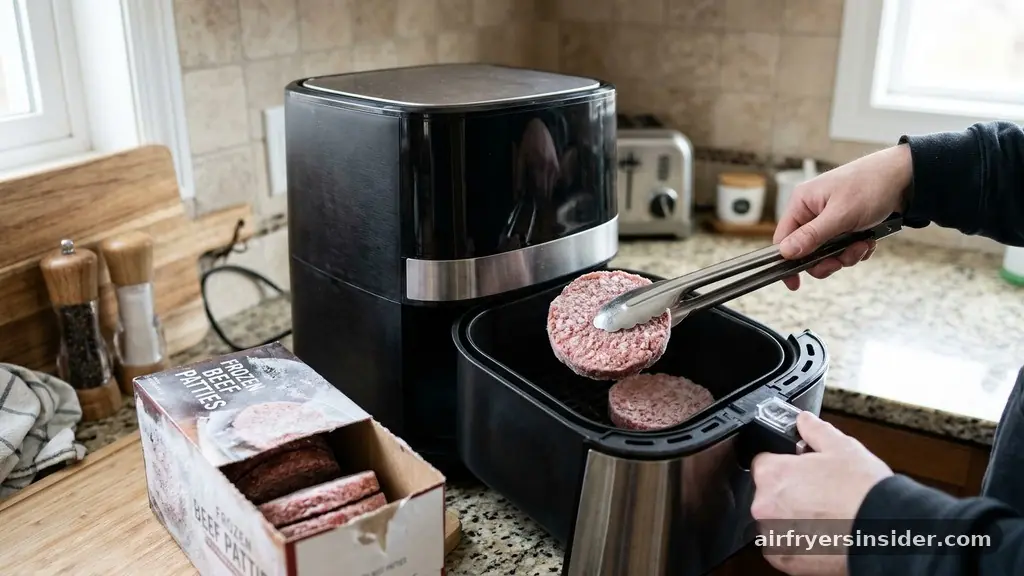
One of the greatest advantages of using an air fryer is the ability to cook frozen patties directly from the freezer. This is a game-changer for last-minute meals.
When cooking from frozen, you should expect to add roughly three to five minutes of extra cooking time compared to fresh patties. Start at a slightly lower temperature, perhaps 350°F, to allow the center to thaw and cook before the exterior becomes burnt.
Once the patty has softened enough to be seasoned, you can open the basket and apply your salt, pepper, or other spices. This is also the best time to flip the burgers. Flipping halfway through the cooking time is essential for even heat distribution. If you don’t flip, the top of the burger will be perfectly browned while the bottom remains pale and potentially undercooked.
Addressing Common Cooking Gaps
A common point of confusion for home cooks is whether they should use oil or non-stick sprays. While air fryers are designed to be “oil-less,” a very light coating of high-smoke-point oil on the patty can help with browning.
However, avoid using aerosol non-stick sprays directly on the basket, as the propellants can degrade the non-stick coating over time. Instead, brush a small amount of avocado oil onto the meat itself.
Another gap in knowledge involves the resting time. Many people serve their burgers immediately, but letting the meat sit for two to three minutes after removing it from the air fryer allows the juices to redistribute throughout the patty.
This simple step prevents the juices from running out the moment you take the first bite, keeping the burger moist and flavorful. If you are adding cheese, place it on the patty during the last minute of cooking, ensuring the residual heat melts it perfectly without overcooking the meat.
Optimizing Air Circulation
The efficiency of your air fryer depends entirely on how well the air can move. If you overcrowd the basket, you effectively turn your air fryer into a steamer.
When the patties are touching or overlapping, the hot air cannot reach the sides of the meat, which prevents the crust from forming. Always cook in a single layer, leaving at least an inch of space between each patty.
If you are cooking for a large family, it is far better to do two smaller batches than one massive, crowded one. The extra five minutes required for a second batch is a small price to pay for a perfectly cooked burger.
Additionally, ensure that the air intake and exhaust vents of your unit are not blocked by walls or other appliances. Proper air circulation is the backbone of the air frying method, and neglecting the physical placement of your unit will lead to uneven results.
Seasoning and Condiment Placement
Seasoning is where you can truly customize your meal. While simple salt and black pepper are classic, don’t be afraid to experiment with garlic powder, onion powder, or even smoked paprika for a hint of grill-like depth. Apply your dry seasoning just before the patties go into the basket; if you season too early, the salt can draw out moisture and change the texture of the meat.
Once the burgers are off the heat, consider your condiment placement carefully. To prevent a soggy bun, place your lettuce or a slice of tomato directly on the bottom bun to act as a barrier against the burger’s juices.
Save the condiments like ketchup, mustard, or aioli for the top bun or the meat itself. This layering strategy maintains the structural integrity of the bun while ensuring every bite has the perfect ratio of meat, bread, and topping.
Comparing Air Frying to Traditional Methods
When you compare air frying to a cast iron skillet or an outdoor grill, each has its merits. A cast iron skillet is excellent for achieving a deep, heavy sear that is difficult to replicate, but it often results in heavy smoke and grease splatters across your stovetop. An outdoor grill offers that distinct charcoal or wood-fired flavor, but it is highly dependent on weather conditions and requires significant cleanup.
The air fryer sits in a sweet spot. It offers fat drainage because the grease drips away from the meat into the bottom tray, making the final product slightly leaner than a pan-fried burger.
It is also incredibly fast and requires almost no cleanup compared to a grill. While you might miss the authentic wood-smoke flavor, the convenience and consistency of the air fryer make it a superior choice for everyday cooking.
Frequently Asked Questions
What temperature do you cook burgers in the air fryer?
For most standard patties, 375°F (190°C) is the ideal temperature. This setting provides enough heat to achieve a crispy exterior and a juicy interior while ensuring the meat reaches a safe internal temperature without burning the outside. Adjust to 350°F if your patties are extra thick.
Are burgers better in an air fryer or frying pan?
It depends on your goals. A frying pan provides a more intense, classic sear, but it is messier and leaves the burger sitting in its own rendered fat. The air fryer is cleaner, healthier due to fat drainage, and much more consistent for home cooks.
Can you cook raw hamburger in an air fryer?
Yes, you can absolutely cook raw hamburger patties in an air fryer. It is one of the most effective ways to prepare them. Just ensure you monitor the internal temperature with a meat thermometer to confirm they reach 160°F for food safety.
Should you cook hamburgers in an air fryer?
You should if you value convenience, speed, and easy cleanup. It is an excellent method for busy weeknights, offering a way to get a restaurant-quality burger texture at home without the hassle of dealing with charcoal, propane, or greasy stovetop splatters.
When you master how do you cook hamburgers in an air fryer, you gain a reliable, efficient tool for your culinary repertoire. By focusing on the quality of your ground beef, maintaining proper air circulation in the basket, and always verifying the internal temperature, you can produce a consistently delicious meal. The combination of fat drainage and high-speed convection creates a texture that rivals traditional cooking methods while significantly reducing the effort required.
Start with the recommended temperatures and timing, but feel free to adjust based on your specific appliance’s power. Enjoy the process of perfecting your technique, and don’t hesitate to experiment with different seasoning blends to find your signature burger style. Happy cooking, and enjoy your next perfectly air-fried meal.
Meta Description: Learn how do you cook hamburgers in an air fryer for perfectly juicy results. Discover expert tips on temperature, timing, and meat safety for the best burgers.