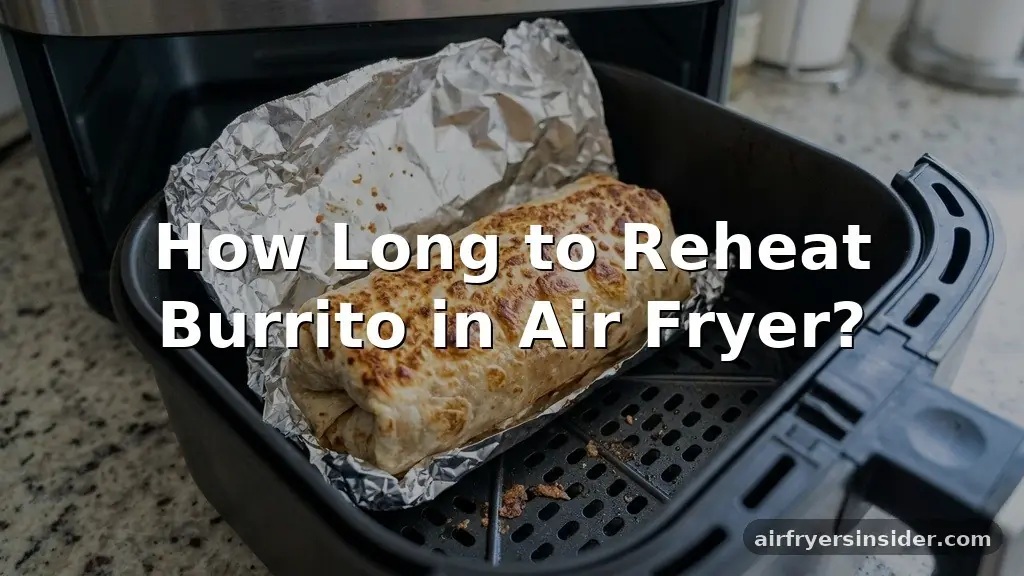
Getting that perfect, restaurant-quality crunch on a leftover burrito is far easier than you might think. Many people struggle with the dreaded soggy tortilla that comes from using a microwave, but figuring out exactly how long to reheat a burrito in an air fryer changes the game entirely.
By utilizing the rapid, focused air circulation of your appliance, you can restore that golden, crispy exterior while ensuring the center is steaming hot. Whether you are dealing with a refrigerated meal or something pulled straight from the freezer, mastering these timing and temperature settings is the secret to enjoying your favorite handheld meal just as much the second time around.
Understanding the Mechanics of Air Fryer Reheating
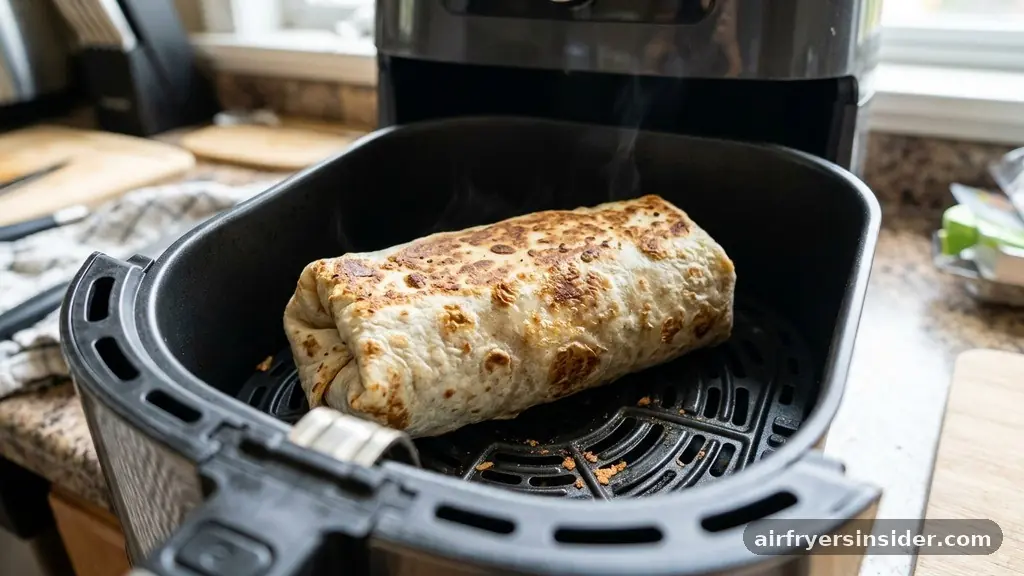
The air fryer functions as a compact convection oven, making it an ideal tool for reviving leftovers. Unlike a standard oven, which takes time to preheat and distributes heat slowly, an air fryer uses a powerful fan to circulate hot air at high speeds.
This process, known as convection cooking, is why your burrito can achieve a perfectly crispy tortilla without drying out the ingredients inside. When you place a burrito in the basket, the hot air hits the surface directly, creating a Maillard reaction that browns the exterior and seals in moisture.
To get the best results, you must consider the thermal conductivity of your specific burrito. A thick burrito packed with dense ingredients like beans, rice, and shredded meat takes longer for heat to penetrate than a thinner one. By managing the airflow, you ensure that the heat reaches the core before the outer layer burns.
If you simply blast the burrito with the highest setting, you risk a charred outside and a cold center. Finding the balance between temperature and time is the most critical factor in achieving consistent, delicious results every single time you cook.
Choosing the Right Temperature and Time
For most standard-sized burritos, a temperature of 350°F (175°C) is the sweet spot. This setting allows the heat to penetrate the burrito fillings gradually while providing enough energy to crisp up the tortilla.
If you set the temperature too low, the burrito might dry out before the middle gets hot. If you set it too high, the outside will become brittle and burnt before the inside is ready.
Typically, you should aim for a reheating time of 8 to 12 minutes for a refrigerated burrito. If the item is larger or stuffed with particularly dense ingredients, you may need to extend that time by a few minutes. Always flip the burrito halfway through the process to ensure even browning on both sides.
This simple step prevents one side from becoming overly browned while the other remains soft. By monitoring the texture of the outer layer, you can adjust the timing as needed to suit your personal preference for crunchiness.
The Microwave-to-Air-Fryer Hybrid Method
Sometimes, you might find that a burrito is so thick that the air fryer alone takes too long to heat the center. In these cases, the microwave-to-air-fryer method is your best friend. This technique combines the efficiency of microwave energy with the crisping power of convection air.
First, place your burrito in the microwave for 45 to 60 seconds to knock the chill off the internal ingredients. This ensures the center is already warm before it enters the air fryer.
After the initial blast, transfer the burrito to the air fryer basket for 3 to 5 minutes at 375°F. This short duration is just enough to crisp the tortilla without turning the inside into mush. This hybrid approach is particularly useful for large, heavy burritos like those from popular fast-casual restaurants.
It prevents the outside from becoming hard and leathery while you wait for the deep, frozen center to reach a safe internal temperature. It is a highly efficient way to manage your kitchen appliance settings for better quality control.
Managing Frozen Burritos with Precision
Reheating frozen burritos requires a slightly different approach than handling refrigerated ones. Because you are dealing with ice crystals and frozen solid ingredients, you cannot simply throw them into the air fryer and hope for the best. Start by lowering the temperature to 325°F for the first 10 minutes.
This lower heat allows the burrito to thaw and warm through without scorching the exterior. Once the center is thawed, you can bump the heat up to 375°F for another 5 minutes to achieve that signature crispy tortilla.
Always be mindful of the ingredients inside. Burritos with high-moisture components like sour cream or guacamole should ideally have those items removed before reheating, as they will break down and ruin the texture.
If you are reheating a store-bought frozen burrito, check the packaging for any specific instructions, but generally, the 325°F to 375°F two-stage process works for almost any brand. This method protects the structural integrity of the tortilla and ensures that every bite is as satisfying as a freshly made one.
The Role of Foil and Parchment Paper
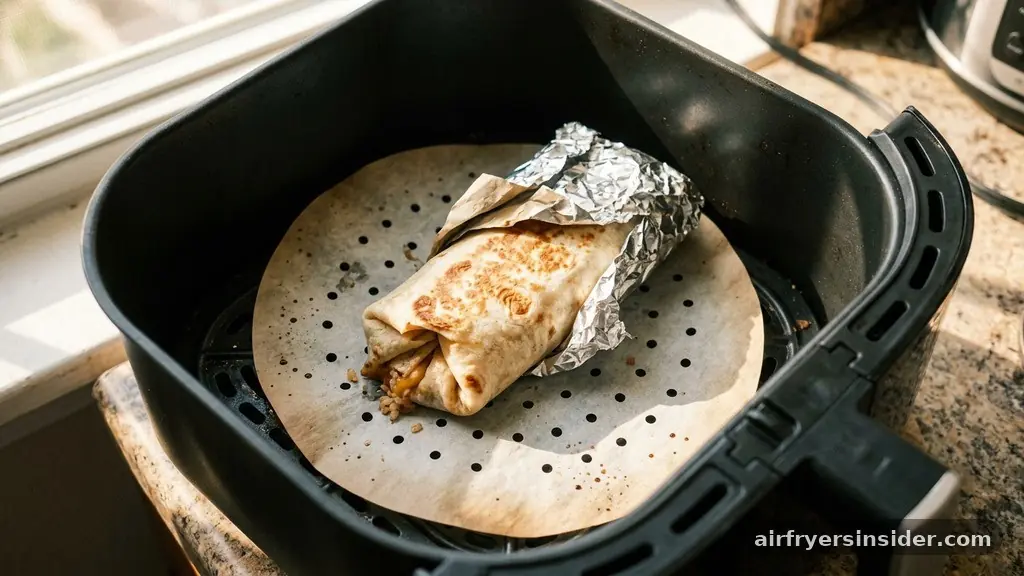
Many home cooks wonder if they should wrap their burrito in aluminum foil when using an air fryer. While foil is a staple in standard ovens, it can actually hinder the air circulation that makes an air fryer effective.
If you wrap the burrito tightly, the hot air cannot reach the surface, and you will end up with a steamed, soggy result rather than a crispy one. However, if you are worried about the ends burning, you can use a small piece of food-grade foil as a shield for just the tips of the burrito during the final minute of cooking.
Parchment paper is a much better alternative for preventing messes. Using a perforated piece of parchment paper at the bottom of the basket prevents cheese or sauce from leaking and burning onto the tray. It also makes cleanup significantly easier.
Just ensure that the paper is weighed down by the food so it does not get sucked into the fan mechanism. Keeping the basket clean is essential for maintaining proper heat distribution and avoiding any lingering burnt flavors from previous meals.
Common Mistakes to Avoid for Better Results
One of the most common mistakes is overcrowding the air fryer basket. Air circulation is the fundamental principle behind this cooking method; if the air cannot flow freely around the food, the temperature will drop, and the cooking will become uneven.
Only cook as many burritos as can fit in a single layer with at least an inch of space between them. If you are cooking for a crowd, do it in batches rather than trying to stack them.
Another mistake is failing to preheat the unit. While many people think air fryers don’t need preheating, starting with a hot basket makes a massive difference in the initial crisping of the tortilla. Spend three minutes preheating the device before you drop your food in.
Finally, do not ignore the internal temperature. Even if the outside looks perfect, the inside needs to reach at least 165°F to ensure food safety. Using an internal thermometer is the only way to be 100% certain that your meal is ready to eat.
Comparing Reheating Methods
Choosing the right tool for the job depends on the texture you want to achieve. The following table highlights the differences between common reheating methods to help you decide when to use your air fryer.
| Method | Texture | Speed | Best For |
|---|---|---|---|
| Microwave | Soft/Soggy | Fast | Quick snacks |
| Oven | Even/Dry | Slow | Large batches |
| Air Fryer | Crispy/Hot | Medium | Individual burritos |
As shown, the air fryer offers the best balance for individual portions where texture matters. While the oven is great for heating a dozen burritos at once, it rarely provides the same level of browning on the tortilla.
The microwave is undeniably the fastest, but it is the primary culprit behind a disappointing, mushy burrito. For most leftovers, the air fryer is the clear winner for quality.
Addressing Topical Gaps and Common Concerns
A frequent question involves the safety of reheating food multiple times. You should never reheat a burrito more than once. Every time you fluctuate the temperature of food, you increase the risk of bacterial growth.
If you have a massive burrito, cut it in half and only reheat the portion you plan to eat immediately. This keeps the remaining half safe in the refrigerator for the next day.
Another gap in knowledge is how to handle different burrito fillings. Burritos containing leafy greens like lettuce or fresh tomato should be deconstructed before reheating. These ingredients do not hold up well to heat and will turn bitter or watery.
Focus on the core components—meat, rice, beans, and cheese—and add the fresh items back in after the burrito has been heated. This simple adjustment ensures that your meal stays fresh and vibrant, rather than becoming a sad, wilted version of its former self.
Refining Your Technique for Long-Term Success
Consistency comes with practice. Start by keeping a simple log of how long your specific burritos take to reach the perfect internal temperature.
Because air fryers vary in wattage and capacity, a Ninja Foodi might cook slightly faster than a smaller, countertop basket model. Once you find the settings that work for your specific appliance, stick to them.
Remember that the tortilla texture is the main indicator of success. If you prefer a lighter crisp, shorten the time; if you like a deep, golden-brown crunch, leave it for the full duration.
Experimenting with a light brushing of oil or melted butter on the exterior of the tortilla can also enhance the browning process significantly. This small touch adds flavor and helps the heat transfer more efficiently across the surface, giving you that professional, deep-fried finish without the mess of a traditional deep fryer.
Frequently Asked Questions
What is the ideal internal temperature for a reheated burrito?
For food safety, your burrito should reach an internal temperature of at least 165°F. Using a digital meat thermometer inserted into the thickest part of the burrito ensures that the center is hot enough to kill any potential bacteria while maintaining the quality of the ingredients.
Can I reheat a burrito in the air fryer if it has sour cream inside?
It is best to remove sour cream, guacamole, or fresh salsa before reheating. These ingredients have high water content and will turn into a hot, unappetizing liquid if heated. Simply scrape them out before putting the burrito in the air fryer and add fresh portions afterward.
Does the size of the burrito affect the cooking time?
Yes, density and thickness are major factors. A standard, thin bean-and-cheese burrito might be ready in 8 minutes, while a large, stuffed burrito with rice, meat, and vegetables could require 12 to 15 minutes. Always prioritize the internal temperature over the clock to ensure it is cooked through.
Is it necessary to use oil on the tortilla?
While not strictly necessary, a light mist of cooking spray or a thin brush of melted butter can improve the crisping process. It helps achieve a more uniform golden-brown color and adds a slight bit of richness to the tortilla, making it taste like it was freshly toasted.
Final Thoughts on Perfecting Your Leftovers
Mastering how long to reheat a burrito in an air fryer is a simple way to elevate your leftovers from a lackluster necessity to a satisfying meal. By focusing on the right temperature, avoiding overcrowding, and using the hybrid microwave method for thicker items, you can consistently achieve that perfect crispy tortilla texture. Remember to prioritize food safety by ensuring the internal temperature reaches 165°F, and don’t be afraid to adjust your timing based on the specific size of your burrito.
With these techniques in your kitchen repertoire, you will never have to settle for a soggy, microwaved wrap again. Enjoy the convenience of your air fryer and the delicious, crunch-filled results it brings to your table.