

Mastering the art of reheating in air fryer setups transforms yesterday’s dinner into a meal that tastes freshly prepared. While a microwave often leaves food soggy or rubbery, an air fryer uses rapid air technology to restore texture and flavor, ensuring your leftovers don’t suffer from the dreaded microwave slump.
Whether you are dealing with crispy fried chicken or a slice of pizza that lost its crunch, understanding the balance of heat and time is essential for success. By following a few simple techniques, you can avoid common pitfalls like drying out your food or burning the edges, making your kitchen appliance maintenance efforts truly pay off during every meal prep session.
The Science Behind Air Fryer Efficiency
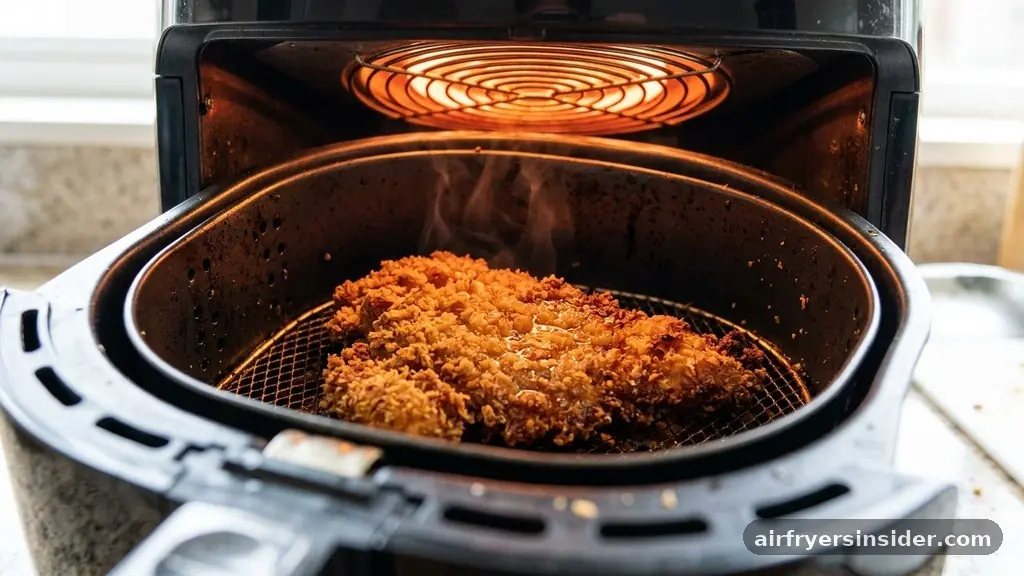
At its core, an air fryer functions like a compact, high-powered convection oven. It relies on a heating element paired with a powerful fan that creates intense thermal circulation. This movement of hot air is what makes the appliance so effective for reviving leftovers.
Unlike microwaves, which excite water molecules to heat food from the inside out—often leading to uneven, mushy textures—the air fryer works from the outside in. This process encourages the Maillard reaction, the chemical process that browns and crisps the surface of food, effectively restoring the crust on breaded items or the snap of a roasted vegetable.
The secret to this efficiency lies in the physical design of the air fryer basket. By elevating food on a grate or perforated tray, the device ensures that hot air hits every side of the dish. This prevents the bottom of your food from sitting in its own residual moisture, which is the primary cause of soggy leftovers.
Because the air is constantly moving, it strips away excess surface humidity, keeping your fries crispy and your proteins juicy rather than steamed. Understanding this mechanism allows you to manipulate settings to achieve specific textures, whether you want a delicate warm-up or a deep, crunchy finish.
Optimal Temperature Settings for Every Food Type
Choosing the right reheating temperature is vital to maintaining food quality and preventing dehydration. Most leftovers require a lower heat than the original cooking temperature to avoid overcooking the interior while crisping the exterior. For most breaded items, like chicken tenders or mozzarella sticks, 350°F (175°C) is the sweet spot.
This temperature allows the heat to penetrate the center without burning the breading. If you are dealing with delicate items like pastries or thin vegetables, dropping the temperature to 300°F (150°C) is safer to prevent the edges from charring before the middle gets warm.
It is also important to consider the thickness of the items being reheated. Dense foods, such as thick cuts of steak or lasagna, take longer to reach a safe internal temperature. You might need to start at a lower heat for a longer duration to ensure the center is hot without sacrificing the outer layers.
Conversely, thin items like pizza slices or bacon require very high, short bursts of heat to crisp up quickly. Keep in mind that air fryers vary by model and wattage, so checking your food a minute or two before the timer ends is a smart habit to cultivate.
Managing Moisture and Texture
One common complaint when learning how to reheat in air fryer units is that food can sometimes become too dry. This occurs when the fan runs for too long, stripping away all the internal moisture along with the surface humidity. To combat this, you can use small tricks like a light spritz of water or a tiny brush of oil before starting the cycle.
For items like leftover pizza, a light mist of water helps the crust stay chewy while the cheese melts perfectly. If you are reheating something that is prone to drying out, like a lean chicken breast, consider wrapping it loosely in parchment paper or using an oven-safe container to shield it from direct, intense airflow.
Another factor is the use of accessories. Using a piece of parchment paper at the bottom of the air fryer basket can help catch crumbs and grease, but you must ensure it is weighed down by the food so it doesn’t fly into the heating element. When dealing with sauces or liquid-heavy dishes, placing the food in a small, heat-safe ramekin or silicone mold is the best approach.
This prevents the liquid from dripping through the basket and burning, which can create smoke and leave an unpleasant flavor on your food. Balancing airflow with these protective measures is the key to consistent results.
Comparing Microwave vs Air Fryer Results
The debate between the microwave and the air fryer is settled by the desired outcome. Microwaves are undeniably faster, but they are notorious for destroying the structural integrity of crispy foods. When you put fried chicken or pizza in a microwave, the steam trapped inside turns breading into a soft, unappealing mess.
The air fryer, meanwhile, excels at restoring the crispiness that defined the food when it was first cooked. The following table highlights why you might choose one over the other for specific types of leftovers.
| Food Type | Best Method | Reasoning |
|---|---|---|
| Pizza | Air Fryer | Keeps the crust crispy and melts cheese evenly. |
| Soup/Stew | Microwave | Retains liquid volume without evaporation. |
| Fried Chicken | Air Fryer | Restores crunch to the breaded exterior. |
| Steamed Rice | Microwave | Easier to rehydrate with a damp paper towel. |
As shown in the table, the air fryer is superior for anything that benefits from a crunch or a dry-heat finish. However, it is not a universal replacement for the microwave. Foods that rely on high moisture content, such as soups, sauces, or steamed grains, are often better suited for the microwave.
Trying to reheat a bowl of chili in an air fryer would likely result in a mess and uneven heating. By knowing which appliance handles which texture best, you can streamline your kitchen routine and ensure every leftover meal is as enjoyable as the first.
Essential Steps for Safe Reheating
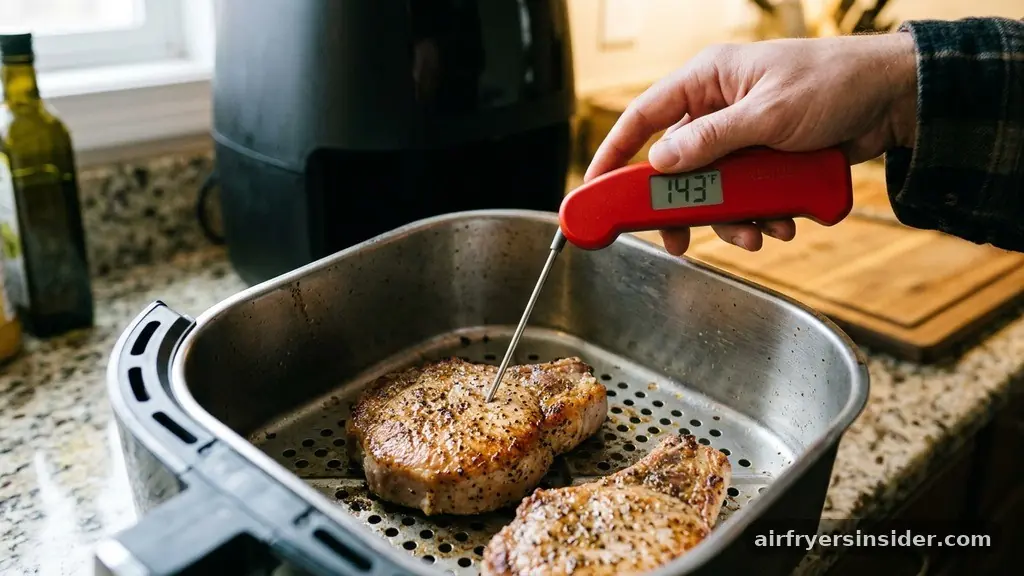
Food safety is just as important during reheating as it is during the initial cooking process. The goal is to bring the food back to a safe internal temperature of at least 165°F (74°C) to kill any bacteria that may have formed during the storage phase.
It is a common mistake to simply warm food until it feels hot to the touch, but this may not be sufficient for dense proteins. Using a meat thermometer is the most reliable way to verify that your leftovers are safe to consume, especially when dealing with meats like chicken or pork.
Furthermore, you should never leave leftovers at room temperature for more than two hours before placing them in the fridge. If you know you are going to reheat them later, portion them out correctly to avoid repeated warming and cooling cycles, which significantly increases the risk of bacterial growth. When you are ready to eat, don’t overcrowd the air fryer basket.
Giving your food enough room ensures that the hot air can circulate freely, which is necessary not only for texture but also for even heat distribution. If you have a large amount of food, it is always better to reheat in batches rather than cramming everything in at once.
Addressing Common Topical Gaps
Many people ask about the role of preheating and the use of foil. While air fryers heat up much faster than traditional ovens, preheating for three minutes can make a noticeable difference in the final crispiness of your food.
It ensures that the environment is at the right temperature the moment the food hits the basket, which helps prevent the food from turning soggy while the air fryer slowly warms up. This is particularly crucial for frozen items that need an immediate hit of heat to seal the outer layer before the inside thaws.
Regarding aluminum foil, many users are unsure if it is safe. Using aluminum foil in an air fryer is generally safe, provided you follow a few guidelines. Never cover the entire bottom of the basket, as this blocks the airflow required for the convection process.
Instead, use a small piece of foil to wrap the food or create a shallow bowl shape to catch drippings. Never let the foil touch the heating element at the top of the unit, as this can cause sparks or fire hazards. By using foil strategically, you can make cleanup easier and keep your appliance in top shape for longer.
Mastering Reheating Charts and Timing
Using a reheating chart is a highly effective way to standardize your process. While every appliance is slightly different, most air fryers follow a similar range of times and temperatures. For example, most breaded items require three to five minutes at 350°F, while thicker roasted vegetables might need five to seven minutes at 375°F.
You can create your own small chart based on the foods you eat most often. Sticking to these known variables removes the guesswork and prevents the frustration of burnt or undercooked meals.
Example Reheating Guide
- Pizza Slices: 350°F for 3-4 minutes.
- Fried Chicken: 375°F for 5-8 minutes.
- Roasted Potatoes: 400°F for 4-5 minutes.
- Spring Rolls: 380°F for 4-6 minutes.
- Burgers: 350°F for 4-5 minutes.
Keep in mind that these times are starting points. If you are reheating a large portion, add a minute or two to the total time. If you are reheating a single, small item, check it early.
The key to successful air frying is observation. Since you can easily pull the basket out to check the progress, use that feature to your advantage. If the food isn’t quite at the desired crispiness, just shake the basket or flip the items and give it another sixty seconds.
Maintaining Your Appliance for Longevity
Proper kitchen appliance maintenance ensures that your air fryer remains a reliable tool for years. After every use, especially after reheating greasy foods, make sure to clean the basket and the tray thoroughly. Grease buildup can lead to smoke during future cycles and can even affect the taste of your food.
Use a soft sponge and mild dish soap; avoid abrasive scouring pads that can damage the non-stick coating. If you notice a burnt smell, check the heating element at the top of the unit for any stray crumbs or grease splatter.
Beyond cleaning, consider the environment where you store your air fryer. It needs space to vent hot air, so never push it directly against a wall or under low-hanging cabinets. If the vents are blocked, the motor works harder than necessary, which can shorten its lifespan.
By keeping the exterior vents clear and the interior clean, you ensure that the rapid air technology continues to perform at its peak. Investing just a few minutes in maintenance after each session makes a significant difference in the longevity and performance of your machine.
FAQ: Common Reheating Questions
Is it better to use the microwave or air fryer for leftovers?
The air fryer is significantly better for foods that should be crispy, such as pizza, fried chicken, or roasted vegetables. The microwave is better for liquids like soups or stews. If you want to maintain the original texture of your food, the air fryer is almost always the superior choice.
How do I know if my leftovers are safe to eat after reheating?
Always use a food thermometer to ensure the internal temperature reaches at least 165°F. This is the standard safe temperature for reheating leftovers. If the food was not stored properly in the refrigerator or has been sitting out too long, it is best to discard it rather than risk illness.
Can I put aluminum foil in the air fryer?
Yes, you can use aluminum foil, but use it sparingly. Do not cover the entire bottom of the basket, as this obstructs airflow. Ensure the foil is weighted down by food so it doesn’t fly into the heating element, and never let it touch the top of the unit.
Do I need to preheat my air fryer for reheating?
While not strictly required, preheating for three minutes helps achieve a better result, especially for foods that need to be crispy. It ensures the air is at the target temperature immediately, which prevents the food from sitting in a warm, moist environment while the unit heats up.
Conclusion
Learning how to reheat in air fryer units opens up a world of convenience, allowing you to enjoy your favorite meals a second time without sacrificing quality. By focusing on the right temperatures, managing moisture levels, and respecting the need for airflow, you can ensure that your leftovers are just as delicious as they were when freshly prepared. Remember to prioritize food safety by checking internal temperatures and keeping your appliance clean to maintain its efficiency.
With these techniques in your kitchen repertoire, you will find that reheating becomes a seamless part of your cooking routine. Don’t be afraid to experiment with different settings for your favorite dishes, and enjoy the process of turning simple leftovers into satisfying, perfectly textured meals every single time.
Meta Description: Learn how to reheat in air fryer units to keep your leftovers crispy and delicious. Discover pro tips on temperature, safety, and timing for perfect meals.


