

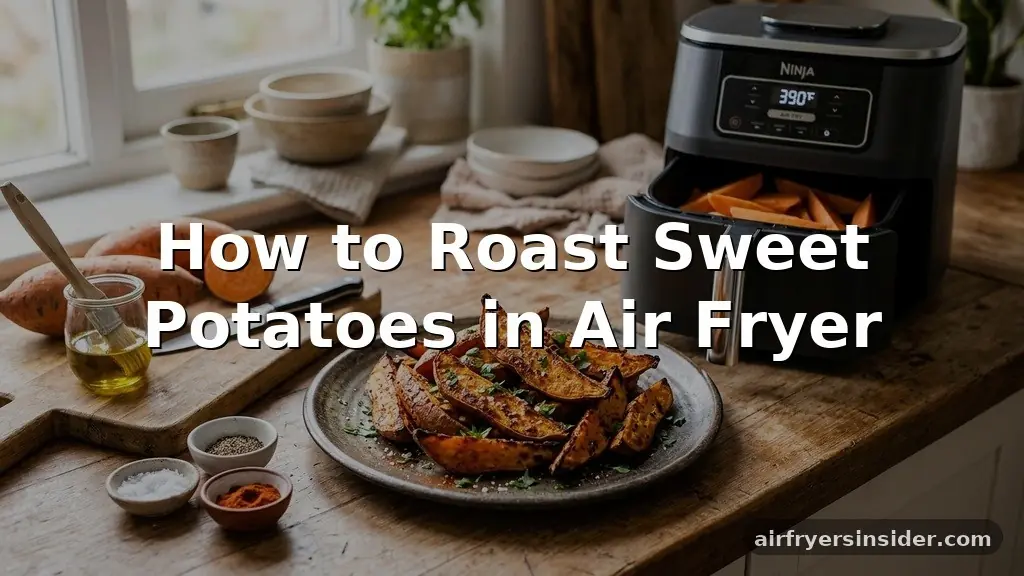
Mastering the art of roasting sweet potatoes in an air fryer transforms a humble root vegetable into a nutrient-dense powerhouse with a perfect, golden-brown finish. By leveraging the rapid convection heat of your appliance, you can achieve a crispy exterior that rivals deep-frying while keeping the inside creamy and sweet.
Whether you are prepping a quick weeknight dinner or looking to add a healthy side dish to your weekend menu, this method is remarkably efficient. You will find that understanding the nuances of temperature control and starch management makes all the difference in achieving that signature texture every time you cook.
The Science of Air Frying Sweet Potatoes
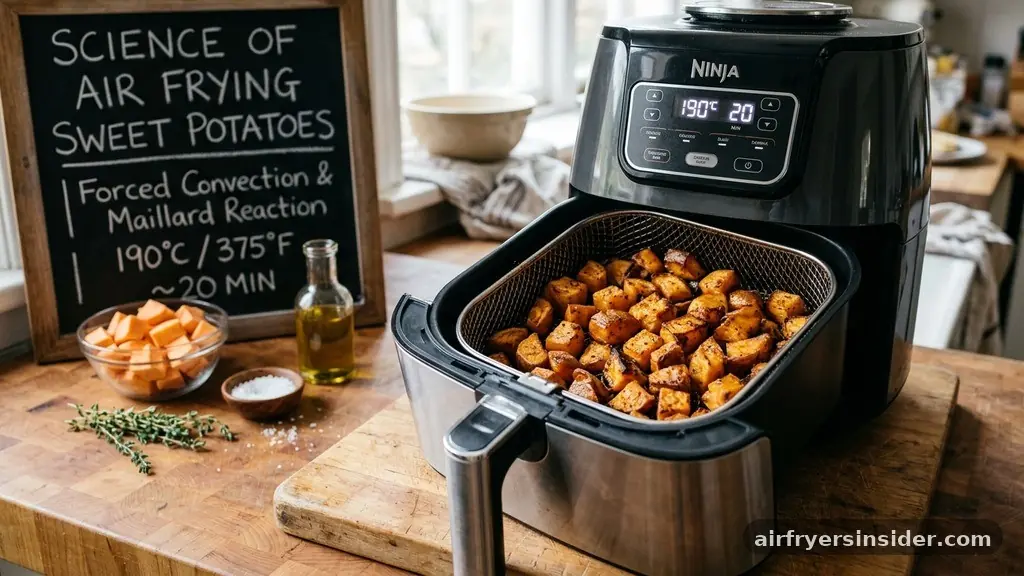
At its core, the air fryer functions like a compact, high-powered convection oven. When you roast sweet potatoes in an air fryer, you are utilizing an internal fan to circulate hot air at high speeds around the food. This creates a uniform cooking environment that is significantly more efficient than a traditional oven.
The primary goal is to balance the evaporation of surface moisture with the internal gelatinization of starches. When the surface dries out quickly, it creates that desirable crunch, while the trapped steam ensures the flesh remains tender and moist.
Understanding your specific appliance is key to consistent results. Whether you are using a Ninja air fryer, a Cosori model, or another brand, the mechanics remain largely the same. The air circulation is the secret sauce; it creates a Maillard reaction on the surface of the cubed sweet potatoes, which is responsible for those delicious caramelized edges.
Because the basket size and wattage can vary between models, it is helpful to view the recommended cooking time as a range rather than a fixed point. Always prioritize the visual cues of browning and the physical texture of the potato over the timer alone.
Preparing Your Sweet Potatoes for Success
Effective vegetable preparation begins with uniformity. When you slice your produce into consistent sweet potato cubes, you ensure that every piece cooks at the same rate. Aim for chunks that are roughly one inch in size.
If the pieces are too small, they will turn to mush before they brown; if they are too large, the exterior might burn before the center reaches a fork-tender consistency. After peeling and chopping, take a moment to pat the pieces dry with a paper towel. Excess moisture on the surface acts as a barrier to crisping, often leading to steamed rather than roasted results.
Seasoning plays a vital role in the final flavor profile. While salt is non-negotiable, adding aromatics can elevate the dish significantly. A simple blend of olive oil helps conduct the heat evenly across the potato surface.
For a savory profile, consider combining smoked paprika, garlic powder, and kosher salt. If you prefer a sweeter route, cinnamon works beautifully to enhance the natural sugars of the root vegetable. Always toss your cubes in a large bowl with the oil and seasonings before transferring them to the basket to ensure that every surface is coated evenly.
The Role of Starch Removal and Soaking
One of the most debated topics in vegetable preparation is the necessity of soaking. Starch removal is a scientifically sound practice for achieving a crispy exterior. Sweet potatoes are naturally high in starch, which can release and become sticky during the cooking process.
By soaking your cubed sweet potatoes in cold water for 20 to 30 minutes, you leach out some of this surface starch. After soaking, it is absolutely essential to drain and thoroughly pat them dry. If you skip the drying phase, the residual water will create steam, which is the enemy of a crispy finish.
While soaking is not strictly mandatory for every batch, it is a game-changer if you struggle with soggy results. If you are in a rush and cannot spare the time for a soak, ensure you at least rinse the cubes under cold water to remove the loose starch on the outside.
This small, extra step helps the oil adhere better to the potato, which in turn leads to a more effective heat transfer. You will notice that the pieces remain distinct and separate rather than clumping together, which allows the hot air to reach every side of every cube for maximum browning.
Optimizing Air Fryer Temperature and Timing
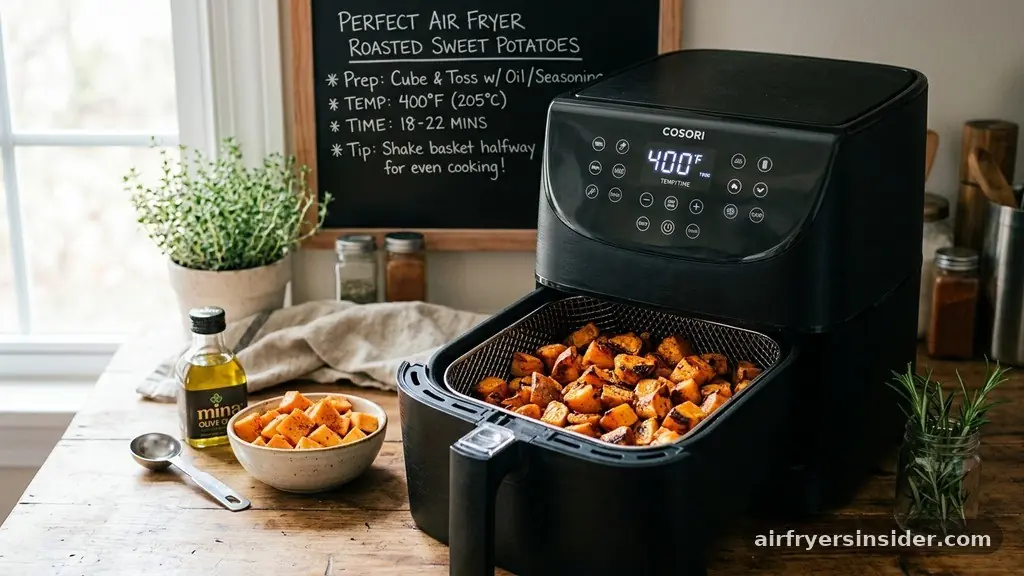
The ideal air fryer temperature for roasting sweet potatoes is generally between 375°F and 400°F. At 375°F, you have a bit more leeway to ensure the center cooks through without the exterior darkening too quickly. If you prefer a deeper, more intense caramelization, 400°F is your best bet, provided you keep a close watch.
The cooking time typically falls between 15 and 20 minutes, depending on the quantity of potatoes in the basket. Overcrowding is a common mistake; if you stack the potatoes too high, the air cannot circulate, and you will end up with unevenly cooked pieces.
| Cut Size | Temp (°F) | Cook Time |
|---|---|---|
| Small Cubes (0.5 inch) | 375 | 12-15 min |
| Standard Cubes (1 inch) | 400 | 16-20 min |
| Large Wedges | 380 | 22-25 min |
To achieve the best results, shake the basket halfway through the cooking time. This redistributes the potatoes and ensures that the pieces that were previously tucked away are exposed to the direct heat.
If you are worried about cleanup, you can use parchment paper, but ensure it is perforated to allow the air circulation to continue uninterrupted. Never use a solid sheet of foil or parchment at the bottom of the basket, as it will essentially turn your air fryer into a standard oven and negate the benefits of the convection fan.
Answering Common Preparation Gaps
Many home cooks wonder about the specific challenges of air frying versus traditional roasting. One common gap in knowledge involves internal temperature. While we often rely on timing, checking for a fork-tender center is the most reliable way to gauge doneness.
You want the internal temperature to be high enough that the fibers have softened, which usually happens around 200°F to 210°F. If you find your potatoes are browning too quickly, lower the temperature by 25 degrees and add a few minutes to the total time. This allows the heat to penetrate the core without scorching the edges.
Another often overlooked aspect is the type of oil used. While olive oil is a standard choice, it has a moderate smoke point. If you are cooking at 400°F or higher, you might consider using an oil with a higher smoke point, such as avocado oil or refined coconut oil.
This prevents the oil from breaking down and potentially creating off-flavors during the cooking process. Additionally, remember that the sugar content in sweet potatoes can vary based on the variety you purchase. Garnet or Jewel sweet potatoes tend to caramelize more effectively than lighter-fleshed varieties due to their higher natural sugar content.
Essential Tips for the Perfect Texture
Achieving a professional-level roast requires attention to detail during the final stages of cooking. Once the timer goes off, resist the urge to immediately plate the potatoes. Letting them sit in the basket for one or two minutes allows the surface to firm up slightly.
This cooling period is when the exterior “sets,” locking in the crunch while the inside remains soft. If you find the seasoning is sliding off, try tossing the potatoes with a tiny bit of cornstarch before adding the oil. This technique creates an incredibly crispy crust that holds the spices perfectly.
* Always preheat your air fryer for 3-5 minutes before adding the food.
* Avoid using non-stick cooking sprays that contain soy lecithin, as they can damage the coating of some air fryer baskets.
* Work in batches if your basket is small to ensure the potatoes have room to breathe.
* Toss the potatoes with oil and spices in a separate bowl rather than directly in the basket to avoid buildup.
* Use a kitchen timer to keep track of the shake intervals so you don’t forget the half-way point.
These small habits contribute to a more consistent outcome. When you treat the air fryer as a precision tool rather than just a “set it and forget it” box, the quality of your roasted vegetables will noticeably improve. It is about creating a controlled environment where the heat can do the heavy lifting for you.
Troubleshooting Common Cooking Mistakes
Even with the best intentions, things can go wrong. If you find your potatoes are soft and mushy, it is almost always due to overcrowding or skipping the drying phase. The air fryer needs space to move air around every single cube.
If the basket is packed to the brim, the air becomes trapped and the moisture released by the potatoes has nowhere to go. This creates a humid environment where the potatoes essentially steam in their own juices. To fix this, simply remove half the batch and cook in two smaller, faster rounds.
Burnt edges with a raw center usually indicate that the temperature is too high for the size of the cut. If you are dealing with large chunks, lower the heat to 370°F and extend the time. Conversely, if you are finding that your potatoes are pale and soft, the temperature might be too low.
Increase the heat to 400°F for the final five minutes to encourage that last bit of browning. Remember that air fryers are powerful; if your model is brand new, it might run hotter than your previous one, so start checking the potatoes a few minutes before the recipe suggests.
Serving Suggestions and Flavor Pairings
Roasted sweet potatoes are incredibly versatile and can be served as a healthy side dish for almost any meal. They pair exceptionally well with proteins like grilled chicken, pan-seared steak, or even as a base for a vegetarian grain bowl.
If you want to lean into the savory side, top your finished potatoes with a dollop of Greek yogurt, fresh cilantro, and a squeeze of lime juice. The acidity of the lime cuts through the sweetness of the potato, creating a balanced flavor profile that is both refreshing and satisfying.
For a more autumnal twist, drizzle the finished potatoes with a bit of maple syrup and a sprinkle of toasted pecans. This transforms the dish into a perfect accompaniment for roast pork or holiday meals.
Because the air fryer creates such a clean, focused flavor, you can also experiment with bolder spices like cumin, chili powder, or even a hint of curry powder. The key is to keep the base preparation simple so that the natural earthiness of the sweet potato can shine through regardless of the final seasoning profile you choose.
Frequently Asked Questions
How do you roast sweet potatoes in an air fryer?
To roast sweet potatoes in an air fryer, start by peeling and cutting them into uniform cubes. Toss the cubes with olive oil and your preferred seasonings. Arrange them in a single layer in the preheated air fryer basket and cook at 400°F for 16-20 minutes, shaking halfway through.
Why do you soak sweet potatoes in water before air frying?
Soaking sweet potatoes in cold water removes excess surface starch. This process helps the potatoes achieve a crispier exterior rather than becoming soft or mushy during the cooking cycle. Always ensure the potatoes are thoroughly dried with a towel after soaking to prevent steaming instead of roasting.
Can you put raw sweet potatoes in an air fryer?
Yes, you can absolutely put raw sweet potatoes in an air fryer. In fact, it is the preferred method for roasting them. Because the air fryer uses high-velocity convection heat, it is perfectly capable of cooking raw root vegetables through to the center while browning the outside simultaneously.
What are common mistakes when air frying sweet potatoes?
The most common mistakes include overcrowding the basket, which prevents air circulation, and failing to dry the potatoes after rinsing or soaking. Another error is not shaking the basket halfway through, which leads to uneven cooking where some pieces are burnt and others remain undercooked.
Conclusion
Mastering the process of roasting sweet potatoes in an air fryer is a simple way to elevate your daily vegetable intake. By focusing on uniform cuts, proper starch management, and maintaining adequate airflow within the basket, you can achieve a result that is both physically pleasing and delicious. Whether you prefer them savory with garlic and paprika or slightly sweet with a touch of cinnamon, the air fryer offers a level of consistency that is hard to replicate with other cooking methods.
Experiment with different seasonings and cooking times to find the perfect profile that suits your taste. As you become more comfortable with your specific appliance, you will find yourself reaching for this technique whenever you need a quick, reliable, and healthy side dish. Enjoy the process of perfecting your technique and sharing these crispy, tender bites with friends and family.
Meta Description: Learn how to roast sweet potatoes in air fryer for a perfect crispy exterior and tender center. Get professional tips on preparation, seasoning, and timing.


