

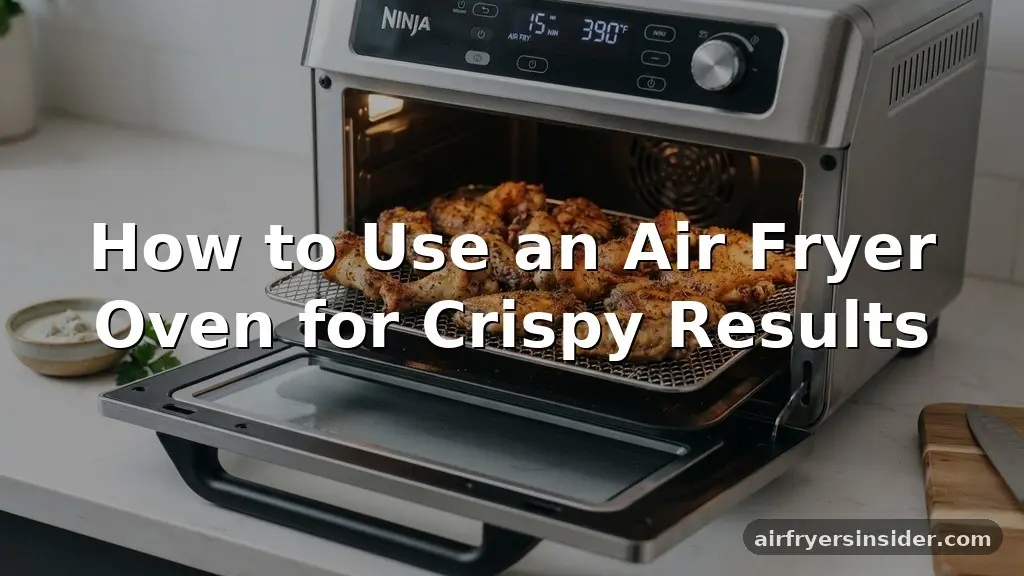
Mastering the art of using an air fryer oven transforms how you approach everyday cooking. By combining the capacity of a standard oven with the high-velocity airflow of a countertop air fryer, these appliances allow you to achieve a perfect, golden-brown finish on everything from frozen snacks to roasted vegetables. If you are learning how to use an air fryer oven effectively, the key lies in understanding how the convection fan creates rapid air circulation to mimic deep frying.
With a few simple adjustments to your routine, you can produce professional-quality meals that are consistently crunchy, evenly cooked, and ready in a fraction of the time required by conventional roasting methods.
Understanding the Air Fryer Oven Mechanism 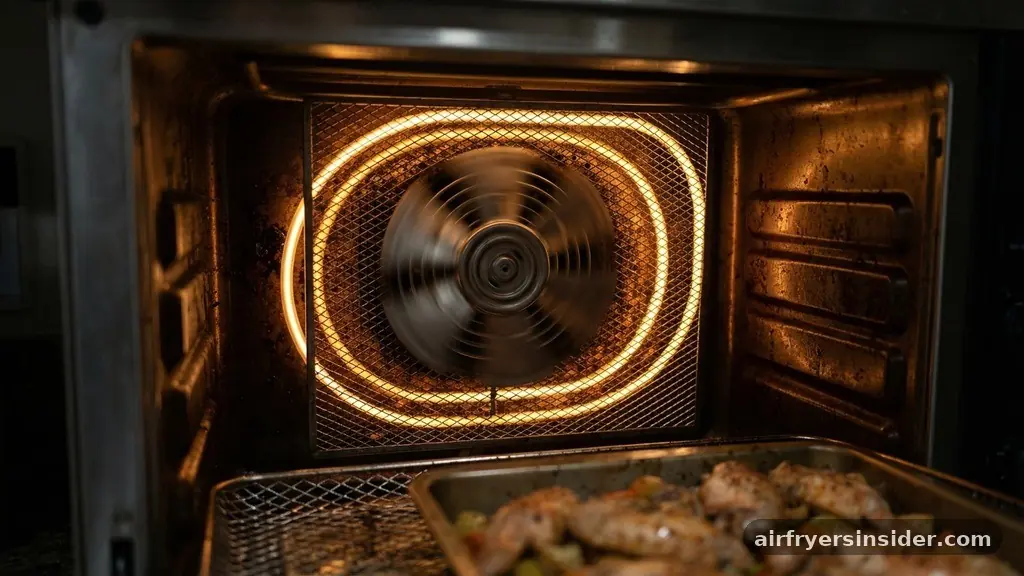
An air fryer oven works by utilizing a powerful heating element paired with a high-speed convection fan. This combination forces hot air to circulate intensely around your food, which is the secret behind that sought-after crispy texture.
Unlike a traditional oven that relies on radiant heat, this appliance focuses on moving air, which accelerates the Maillard reaction. This chemical process between amino acids and reducing sugars is what gives browned food its distinct, savory flavor.
When you start using your unit, visualize the airflow as an invisible wave of heat. Because the air moves so quickly, moisture on the surface of your food evaporates rapidly, leaving behind a crisp exterior while keeping the inside tender. Proper ventilation is essential for this to happen.
If you overcrowd the tray, the air cannot circulate properly, and your food will steam rather than crisp. Always ensure there is enough space between items to allow the heat to reach every side of your ingredients.
Preparing Your Appliance for First Use
Before you cook your first meal, it is vital to go through a “burn-in” process.
Many manufacturers apply a thin layer of protective oil to the interior surfaces during production, which can produce an unpleasant smell or smoke during the first heating cycle. To prepare, wipe down the interior with a damp cloth and wash any accessories, like the air fry basket or drip tray, in warm soapy water.
Run the unit on its highest heat setting for about 15 to 20 minutes while the room is well-ventilated. You might notice a light odor, but this will dissipate quickly. Once the unit cools, it is ready for your first recipe.
Getting into the habit of cleaning the drip tray after every use is also a crucial part of the process. If crumbs or grease accumulate at the bottom, they can burn and create excess smoke during your next session, which ruins the flavor of your food and may trigger your smoke detectors.
Essential Tools and Accessories
Success in the kitchen often depends on having the right equipment. When you learn how to use an air fryer oven, you will quickly find that not all pans are created equal.
An air fry basket is the most effective tool because its mesh structure allows air to flow underneath the food. If you are using a solid tray, you might end up with soggy bottoms, which defeats the purpose of the high-speed convection setting.
Using parchment paper can make cleanup easier, but you must be careful. Only use parchment paper designed for ovens and ensure it is weighed down by the food. If the paper is too light, the convection fan might blow it into the heating element, which is a significant fire hazard.
Additionally, always check that your cookware is oven-safe. Glass, ceramic, and metal are generally fine, but avoid plastics or silicones that are not rated for high-heat cooking.
| Accessory | Best Use Case | Tip for Success |
| :— | :— | :— |
| Air Fry Basket | Fries, wings, vegetables | Don’t stack food; keep it in a single layer. |
| Perforated Tray | Cookies, delicate items | Use for better airflow than solid sheets. |
| Drip Tray | Catching grease and crumbs | Line with foil for easier cleanup. |
| Oven-Safe Rack | Roasting meats | Use to elevate food for even heat distribution. |
Mastering Preheating and Temperature Control
Most modern air fryer ovens come with digital controls that allow for precise temperature adjustments. While some people skip preheating, it is actually a vital step for achieving the best results.
Preheating ensures that the internal temperature of the oven is consistent the moment your food hits the rack. If you put food in a cold oven, the initial heat is too low to create that instant sear, which often leads to dry or overcooked meals.
When adjusting your recipes, remember that air frying is much faster than traditional baking. You can usually reduce the cooking time by about 20% compared to a conventional oven. If a recipe calls for 400 degrees Fahrenheit for 30 minutes, try 375 degrees for 20 to 25 minutes instead.
Keep an eye on your food during the last few minutes, as the high-heat cooking environment can turn a perfect dish into a burnt one very quickly. Always use a meat thermometer to ensure chicken and other proteins have reached a safe internal temperature to prevent foodborne illness.
The Importance of Food Spacing 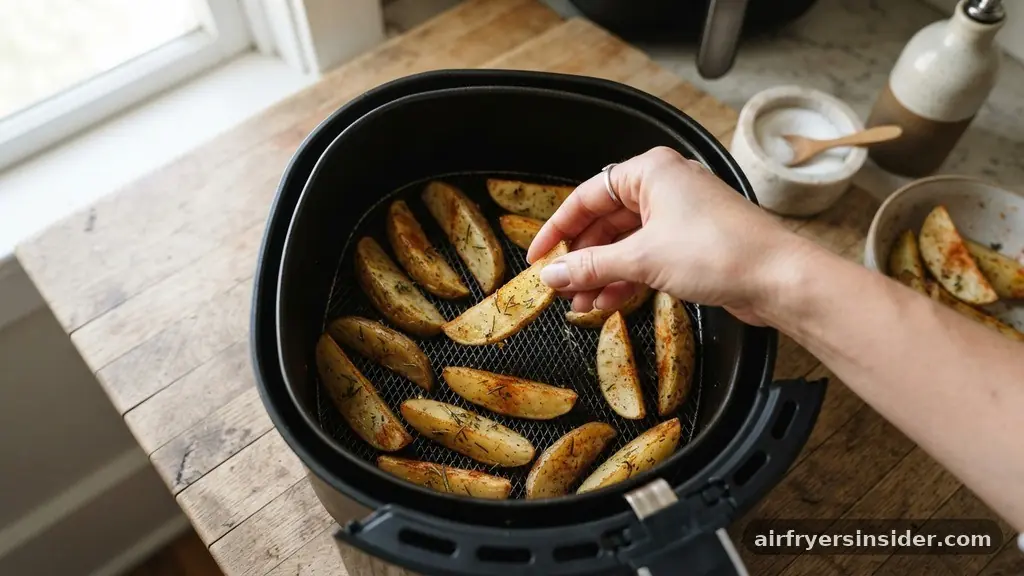
One of the most common mistakes beginners make is overloading the basket. Proper food spacing is the difference between crispy perfection and mushy, steamed results.
If your ingredients are touching, the air cannot reach the sides of the food to create that Maillard reaction. Think of your basket as a stage where every piece of food needs its own spotlight.
If you are cooking for a large group, it is better to cook in batches rather than cramming everything into the oven at once. For smaller items like fries or roasted chickpeas, you can shake the basket halfway through the cooking time to redistribute the pieces. This simple action ensures that every side gets exposed to the heat.
If you are roasting larger items like chicken thighs or fish fillets, use tongs to flip them manually. This attention to detail guarantees a uniform texture across the entire batch.
Using Oil Sprays Effectively
While air frying is marketed as a healthier alternative to deep frying, a little fat goes a long way in conducting heat.
A light mist of oil spray helps the hot air crisp the surface of your food more efficiently. You do not need to drench your ingredients; a light coating is enough to bridge the gap between dry heat and golden-brown deliciousness.
Avoid using aerosol cans of non-stick spray inside your air fryer oven. These products often contain propellants and additives that can degrade the non-stick coating on your trays or baskets over time. Instead, buy a refillable oil mister and fill it with your favorite high-smoke-point oil, such as avocado or grapeseed oil.
These oils can handle the high-heat cooking environment without burning or imparting a bitter flavor to your food. A thin, even layer is all you need for professional results.
Optimizing Rack Position for Different Foods
Your oven likely has multiple rack positions, and choosing the right one is essential for controlling the intensity of the heat.
The top rack position is closest to the heating element, making it ideal for browning or quick-crisping dishes like toast, wings, or pizza. If you place food too high, it might burn on the outside before the center is fully cooked.
Conversely, the lower rack positions are better for larger items like whole chickens or thick cuts of meat that require a longer cooking time. By moving the food further from the direct heat source, you allow the interior to cook through gently while the convection fan continues to circulate air around the exterior. If your unit features adjustable fan speeds, use the high setting for items you want to be extra crispy, like frozen snacks or vegetables, and a lower speed for delicate items like muffins or pastries that might get blown around by too much air.
Troubleshooting Common Issues
Even with practice, you might run into issues like uneven cooking or excessive smoke.
Uneven cooking is usually a sign of poor airflow or improper rack placement. If one side of your food is darker than the other, try rotating the tray 180 degrees halfway through the cycle. If you notice smoke, it is almost always due to grease or food debris on the bottom of the oven.
Another common problem is food that is dry on the outside but raw on the inside. This typically happens when the temperature is set too high. If you find this happening, lower the heat by 25 degrees and increase the cooking time slightly.
This allows the heat to penetrate the center of the food without scorching the surface. If you are consistently having trouble, check your manual to see if your specific model has a dedicated “air fry mode” or if you are simply using the standard convection setting.
Expanding Your Culinary Repertoire
Once you get comfortable with the basics, you can start experimenting with more complex recipes.
An air fryer oven is excellent for dehydrating fruits, roasting nuts, and even baking small cakes. Because of the rapid air circulation, you can achieve results that are often impossible in a standard convection oven.
- Dehydrate thin slices of apples or strawberries at a low temperature for healthy snacks.
- Roast nuts like almonds or pecans with a touch of salt and maple syrup for a quick party appetizer.
- Reheat leftovers like pizza or fried chicken to restore their original crispy texture.
- Toast bread or bagels quickly without the need for a separate toaster appliance.
- Roast vegetables like broccoli, cauliflower, and Brussels sprouts for a deep, caramelized flavor.
As you become more adventurous, keep a simple log of your successes and failures. Note the temperature, the rack position, and the total time for each dish. This personal record will become your most valuable resource as you refine your technique and learn exactly how your specific machine behaves with different ingredients.
FAQ Do I need a special pan to air fry in my oven?
You do not strictly need a special pan, but using an air fry basket or a perforated tray is highly recommended.
These tools allow hot air to circulate underneath the food, ensuring a crispy texture on all sides. Solid pans often lead to soggy bottoms and uneven cooking.
What is the difference between an air fryer and an air fry oven?
An air fryer is a compact, basket-style appliance designed primarily for rapid air frying. An air fryer oven is a larger, multi-functional countertop oven that includes an air fry setting.
The oven version offers more space and versatility, allowing for baking, roasting, and toasting alongside air frying.
What are the disadvantages of an air fryer oven?
The main disadvantages are the larger footprint on your counter and the potential for increased smoke if the drip tray isn’t cleaned regularly. Additionally, because they are larger than dedicated air fryers, they may take slightly longer to preheat, though they offer much more cooking capacity.
How do I prevent smoke while using the air fry function?
Smoke is usually caused by grease or food particles burning at the bottom of the oven. Always use a drip tray to catch drippings and clean it after every use.
Avoid using too much oil or cooking at temperatures that exceed the smoke point of your chosen cooking oil.
Conclusion
Mastering how to use an air fryer oven is a rewarding journey that yields delicious, crispy results with minimal effort. By focusing on proper food spacing, utilizing the right rack positions, and keeping your appliance clean, you can elevate your home cooking routine significantly. Remember that the secret to success is patience; start by following recipes closely, then gradually adjust the timing and heat based on your personal preferences and the unique characteristics of your machine.
Whether you are reheating leftovers or preparing a full meal from scratch, this versatile tool is capable of handling almost anything you throw its way. Take the time to experiment with different settings and ingredients, and you will soon find that your air fryer oven becomes the most frequently used appliance in your kitchen.


