

Mastering the art of reheating leftovers is a culinary superpower, especially when you are dealing with delicate, deep-fried snacks. When you learn how to reheat egg rolls in an air fryer, you effectively bypass the dreaded microwave trap that turns once-crunchy appetizers into limp, rubbery disappointments.
Because air fryers rely on convection heating to circulate hot air, they are uniquely suited to restoring that signature crispy texture that defines a perfect egg roll. By following a few simple adjustments to temperature and timing, you can bring your leftover appetizers back to life, ensuring they taste just as good as they did when they were fresh out of the deep fryer.
Understanding the Mechanics of Convection Reheating
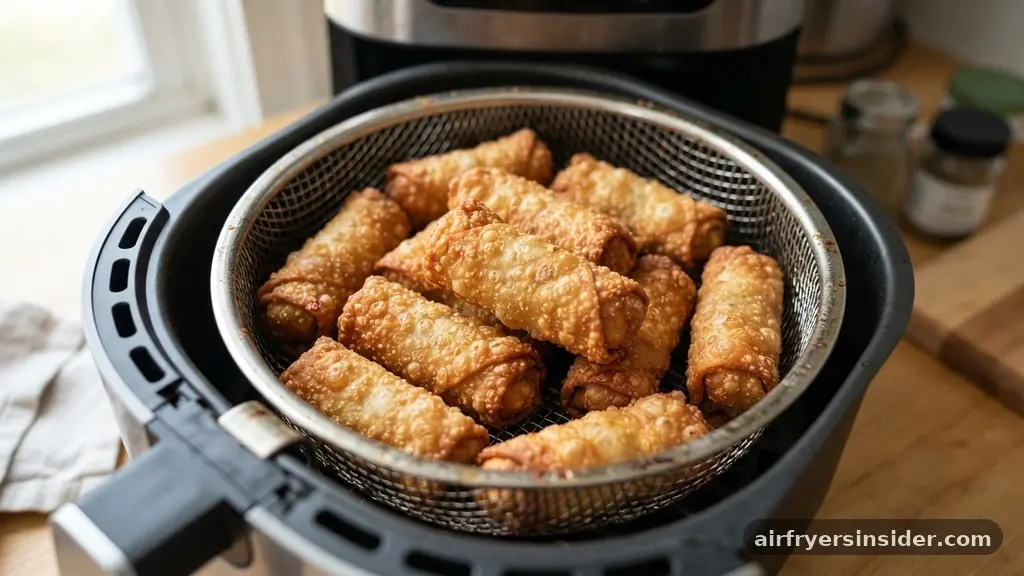
The primary reason most people fail at reheating fried food is that they rely on static heat sources, like a conventional oven or a microwave, which struggle to wick away surface moisture. An air fryer, however, utilizes rapid air technology to create a high-velocity environment that strips away excess humidity from the wrapper.
This process is essential for revitalizing the crispy skin of your egg roll without overcooking the delicate cabbage filling or pork filling inside. Because the hot air moves around the entire surface area of the food, you get an even, golden brown finish that is impossible to achieve with a standard toaster oven or a frying pan.
When you place your egg rolls inside the basket, you are essentially initiating a micro-convection event. The machine forces heat into the wrapper, which helps the residual oil trapped in the dough to re-melt and crisp up once again. This is why you should avoid overcrowding the basket.
If the rolls are touching or stacked, the air cannot circulate properly, leading to uneven heat distribution and potentially soggy spots. By giving each roll its own space, you maximize the efficiency of the airflow, ensuring that every side of the appetizer achieves that satisfying crunch you crave.
The Importance of Proper Preheating
One of the most common mistakes home cooks make is skipping the preheating stage. Many people assume that because an air fryer is small, it will heat up instantly, but giving the unit three to five minutes to reach the target temperature makes a massive difference in the final result.
If you put cold egg rolls into a cold basket, the wrapper will sit in a warm, humid environment for several minutes before it actually starts to crisp. This delay invites the moisture from the filling to migrate into the crust, which is the fastest way to end up with a soggy exterior.
Preheating ensures that as soon as the egg rolls touch the basket, the process of moisture reduction begins immediately. Aim for a temperature setting of around 350°F to 375°F for the preheat cycle.
This provides enough thermal energy to shock the wrapper into crisping without burning the delicate exterior before the center has a chance to warm through. Using an infrared thermometer can help you confirm that your unit has reached the appropriate temperature, but even a manual three-minute wait is significantly better than starting from a cold machine.
Strategic Rack Placement and Basket Management
How you arrange your food inside the appliance dictates the quality of the reheat. If you have a model with a basket, try to place the egg rolls in a single layer with at least half an inch of space between each one. If you are using a Ninja Foodi or a similar oven-style air fryer, the rack placement is equally important.
Placing your items on the middle rack usually provides the best balance between top-down heat and bottom-up circulation. If you place them too close to the heating element, the top will brown too quickly, leaving the bottom of the roll cold and soft.
For those using a basket-style fryer, you might be tempted to use parchment paper for easy cleanup. While this is fine, be careful not to line the entire bottom of the basket, as this can block the airflow vents and hinder the convection process. If you do use a liner, ensure it is perforated to allow the air to circulate through the bottom of the rolls.
Using kitchen tongs to flip the egg rolls halfway through the reheating cycle is also a non-negotiable step. Even with the best convection airflow, the bottom of the roll will inevitably stay cooler than the top unless you give it a quick turn to ensure even heating.
Optimizing Temperature and Reheating Time
Finding the sweet spot for temperature and time is the secret to success. While the internal temperature of the filling needs to reach a safe level, you are primarily focused on the exterior texture. A temperature of 360°F is generally the gold standard for reheating egg rolls.
At this heat level, the wrapper transforms from a leftover state to a crispy, golden brown state in about four to six minutes. If you go too high, say 400°F, you risk burning the outer layer while the center remains cold.
If your egg rolls are particularly large or filled with dense ingredients like thick pork or heavy vegetables, you may need to extend the time by a minute or two. Keep a close eye on them after the four-minute mark.
Because different air fryers have varying fan speeds and heating intensities, the first time you reheat a specific batch, you should check them frequently. Use your kitchen tongs to give them a gentle squeeze; if they feel firm and brittle to the touch, they are ready to be served.
| Appliance Type | Recommended Temp | Estimated Time |
|---|---|---|
| Basket Air Fryer | 360°F | 4-5 Minutes |
| Oven-Style Air Fryer | 350°F | 5-7 Minutes |
| Convection Oven | 375°F | 8-10 Minutes |
Applying Oil Spray for Extra Crunch
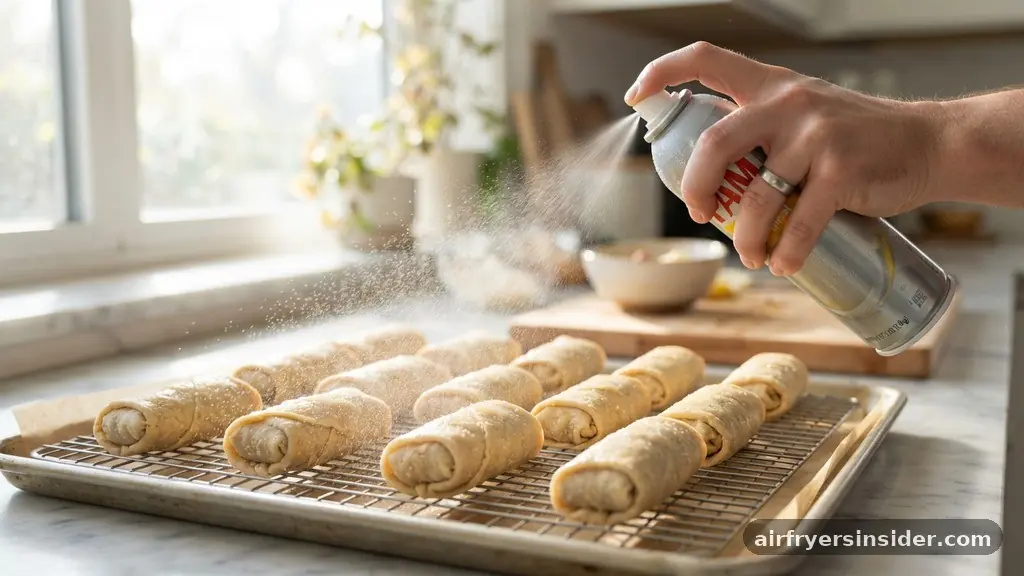
If your egg rolls have been in the refrigerator for more than 24 hours, the wrapper may have lost a significant amount of its natural fat content, which can make it feel dry or brittle during the reheating process. A very light mist of oil spray can act as a catalyst for browning and help restore that fresh-fried sensation.
You do not need much—just a fine, even layer across the surface of the wrappers is sufficient. This extra bit of fat helps conduct the heat more efficiently, resulting in a more uniform golden brown color.
Be sure to use an oil with a high smoke point, such as avocado oil, grapeseed oil, or a neutral vegetable oil. Avoid using aerosol cooking sprays that contain propellants or additives, as these can sometimes leave a sticky residue on the non-stick coating of your air fryer basket. A refillable oil mister is the best tool for this job.
Simply give the egg rolls a quick spritz before you put them in, or hit them with a tiny bit of oil halfway through the cycle if they look like they are drying out. This small detail separates a mediocre reheat from one that feels like a fresh batch from the restaurant.
Addressing Common Topical Gaps
Many people wonder if they can safely reheat egg rolls that contain seafood or complex meat fillings. The key to food safety is ensuring the internal temperature reaches at least 165°F. While an air fryer is great at crisping the outside, it is not a deep fryer, so it won’t cook raw meat from scratch.
Always ensure your leftover appetizers were stored in the refrigerator at or below 40°F and that they haven’t been sitting out at room temperature for more than two hours before being chilled. If you are ever in doubt about the smell, texture, or storage history of the food, it is safer to discard it.
Another frequent concern is whether you should reheat egg rolls alongside other appetizers like spring rolls or potstickers. While it is possible, try to group items that have similar sizes and densities.
A small spring roll will heat up much faster than a large, stuffed egg roll, meaning the spring rolls might become overdone or burnt by the time the larger egg rolls are hot in the middle. If you must mix them, place the larger items in the basket first and add the smaller items a few minutes later so everything finishes at the same time.
Managing Moisture and Soggy Exteriors
If you find that your egg rolls consistently come out soggy, the culprit is almost certainly trapped moisture. When food cools down, the steam inside the wrapper condenses, turning the internal structure of the dough into a soft, gummy mess. To combat this, you need to ensure the air fryer is properly ventilated.
If you are cooking a large batch, do not try to do it all at once. It is far better to run two smaller, high-quality cycles than one large, overcrowded cycle where the steam has nowhere to escape.
Another pro tip is to let the egg rolls sit on a wire cooling rack for one minute after you pull them out of the air fryer. This allows any final surface moisture to evaporate before you bite into them.
If you plate them immediately on a flat surface, the bottom of the roll will trap heat and steam, which can instantly ruin the hard work you just put into crisping the skin. A little bit of patience in the final minute of the process pays dividends in the overall quality of the dish.
Serving Suggestions and Dipping Sauce Pairings
Reheating is only half the battle; how you serve your revitalized appetizers is just as important. A fresh, zesty dipping sauce can cut through the richness of the fried wrapper and help brighten up the flavors of the pork or cabbage filling.
Classic options like sweet and sour sauce, hot mustard, or a simple soy-ginger reduction work wonders. If you want to get creative, try a spicy chili crisp oil mixed with a bit of rice vinegar, which adds a complex, umami-forward kick that pairs beautifully with the crispy texture of the wrapper.
Consider the temperature contrast as well. If you are serving your egg rolls as part of a larger meal, ensure that your dipping sauces are served at room temperature or slightly chilled.
This contrast between the piping-hot, crispy exterior of the egg roll and the cool, tangy dipping sauce creates a more dynamic eating experience. If you are feeling particularly ambitious, you can even garnish the rolls with some thinly sliced green onions or toasted sesame seeds to give them a “freshly prepared” aesthetic that hides the fact that they were once leftovers.
Common Mistakes to Avoid
Even with the best equipment, it is easy to fall into bad habits. One of the biggest errors is leaving the egg rolls in the air fryer for too long. Because of the intense heat, the transition from “perfectly crispy” to “burnt and bitter” happens in a matter of seconds.
Set a timer, and if you are using an older model that doesn’t have a clear window, check the food a minute earlier than you think you need to. It is much easier to add more time than it is to fix a burnt wrapper.
Another mistake is forgetting to clean the basket between batches. If you have been cooking other items, such as chicken wings or frozen fries, there may be residual oil or crumbs at the bottom of the basket. These can smoke at high temperatures and impart an unpleasant flavor to your egg rolls.
Take a quick moment to wipe out the basket with a paper towel between rounds. By keeping the cooking environment clean and ensuring proper airflow, you guarantee that your reheated appetizers maintain their clean, delicious taste, making the process of reheating egg rolls in an air fryer a reliable part of your meal planning.
Frequently Asked Questions
How do I know when my egg rolls are fully heated?
The best way to tell is by the texture of the wrapper and the heat of the center. The skin should feel firm and crispy to the touch. If you want to be precise, a food thermometer should read 165°F in the center of the filling.
Can I reheat frozen egg rolls directly in the air fryer?
Yes, you absolutely can. If they are frozen, you should increase the cooking time by two to three minutes and lower the temperature slightly to about 340°F. This ensures the center thaws and heats through completely before the exterior becomes too dark or crispy.
Do I need to flip the egg rolls during the cycle?
Yes, flipping is essential for an even reheat. Since air fryer baskets are designed to circulate air primarily from the top, the bottom of the egg roll will not get as crispy unless you use kitchen tongs to turn them over halfway through the cooking time.
Is it better to use an air fryer or an oven for reheating?
An air fryer is superior for reheating fried items because it uses forced convection to remove surface moisture, which is the key to achieving a crispy texture. A standard oven often leaves the food tasting soft or soggy because it lacks the same level of airflow.
Conclusion
Mastering the process of reheating egg rolls in an air fryer allows you to transform simple leftovers into a satisfying, crunchy snack that tastes remarkably fresh. By focusing on proper preheating, ensuring adequate airflow within the basket, and carefully managing your temperature, you can avoid the common pitfalls of soggy wrappers and uneven heating. Whether you are enjoying a quick midnight snack or preparing a spread for guests, these techniques ensure that the crispy texture you love is always preserved.
Start with a conservative time estimate, keep a close watch, and don’t be afraid to experiment with your favorite dipping sauces to complete the experience. With these strategies in your culinary toolkit, you will never have to settle for lackluster leftovers again.
Meta Description: Learn how to reheat egg rolls in an air fryer to achieve a perfect, crispy texture. Follow these expert tips for temperature, timing, and even heating.


