


Finding the perfect method for warming up leftovers is a common kitchen challenge, and learning how to reheat a baked potato in an air fryer is a genuine game-changer for your meal prep routine. Unlike the microwave, which often leaves the center gummy and the skin rubbery, the air fryer uses rapid convection to restore that signature texture.
By mastering a few simple adjustments, you can achieve a result that tastes nearly as fresh as the day it was first baked. This approach ensures your potato regains its fluffy interior while maintaining a satisfyingly crisp exterior, making those extra servings worth saving for another meal.
The Science of Convection Heat and Texture
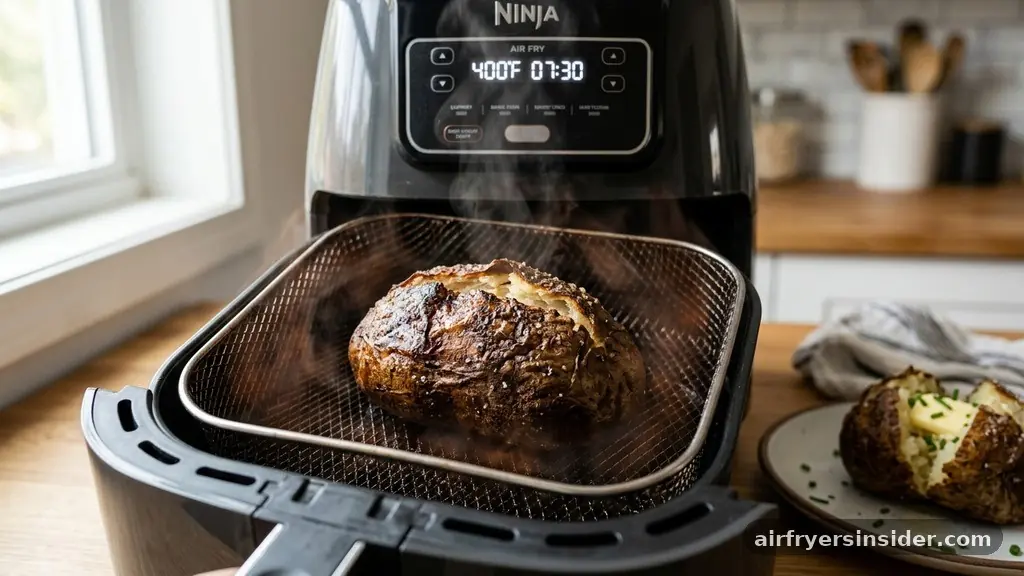
When you consider why a microwave fails to reheat a potato properly, it usually comes down to the way it interacts with water molecules. Microwaves heat through agitation, which often results in uneven pockets of heat and a loss of structural integrity in the starch. In contrast, an air fryer utilizes convection heat to circulate hot air around the entire surface of the food.
This movement of air is the secret to restoring the potato skin texture that most people crave. Because the air fryer creates a dry, hot environment, it effectively draws out excess surface moisture while heating the core through conduction.
The physics of this process relies on the thermal conductivity of the potato itself. As the hot air hits the skin, it transfers energy inward, warming the starch molecules without turning them into a soggy mess.
This is particularly important for leftover potatoes that have been sitting in the refrigerator, as the cold temperature makes the starch molecules rigid. By using an air fryer, you aren’t just warming the potato; you are effectively re-roasting it, which helps to revive the fluffy, aerated texture of a perfectly baked spud.
Preparing Your Potato for the Best Results
Before you place your potato into the air fryer basket, a little bit of preparation goes a long way. If your potato has been stored in the refrigerator, it will be quite dense and cold.
It is often helpful to let the potato sit on the counter for about ten to fifteen minutes to take the chill off, though this isn’t strictly necessary. If you decide to add fat, a light brushing of olive oil or even a small dab of butter on the skin can help facilitate heat transfer and improve the final crispness.
Avoid the temptation to wrap the potato in aluminum foil during the reheating process. While foil is great for the initial bake to keep moisture in, it acts as a barrier to the hot air circulation you need for reheating. You want that direct contact with the circulating air to crisp up the skin.
If your potato was already wrapped, remove the foil before starting. If you have toppings already on the potato, such as cheddar cheese or bacon bits, it is usually best to scrape them off temporarily or reheat them separately to prevent them from burning or making the skin soggy.
Optimizing Air Fryer Settings for Leftovers
Finding the right balance of temperature and time is the most critical part of the process. You don’t want to blast the potato on high heat immediately, as this will char the outside before the center is warm.
Instead, aim for a medium heat setting, typically around 350°F to 375°F. This temperature range is high enough to encourage browning but moderate enough to allow the heat to penetrate the core of the leftover potato without causing the exterior to become brittle or burnt.
The reheating time will vary depending on the size of the potato and the specific model of your air fryer. Generally, a medium-to-large baked potato will take between eight and twelve minutes to reach an ideal temperature.
If you find the skin is darkening too quickly, simply lower the temperature by 25 degrees and add a few extra minutes to the timer. Consistency is key, so try to space the potatoes out in the basket to allow for maximum airflow, which ensures that each potato receives equal treatment from the fan.
Addressing Topical Gaps: Safety and Internal Temperature
One area that is often overlooked in cooking tutorials is food safety. When reheating leftovers, it is essential to ensure that the potato reaches an adequate internal temperature to eliminate any potential bacterial growth that occurred during the cooling process.
While a potato is a relatively low-risk food, it can become a breeding ground for bacteria if left at room temperature for too long after its initial bake. Using a kitchen thermometer is the most accurate way to verify that the center has reached at least 165°F.
Many people wonder if they can add toppings back onto the potato before it goes into the air fryer. While it is possible to add some items, avoid adding delicate herbs like fresh chives or cool dollops of sour cream until after the reheating process is complete.
These ingredients are heat-sensitive and will lose their flavor and texture if subjected to the intense heat of the air fryer. By waiting until the very end, you ensure that the potato stays hot and the toppings remain fresh and vibrant, providing a much higher quality of food quality for your meal.
The Role of Moisture in Reheating
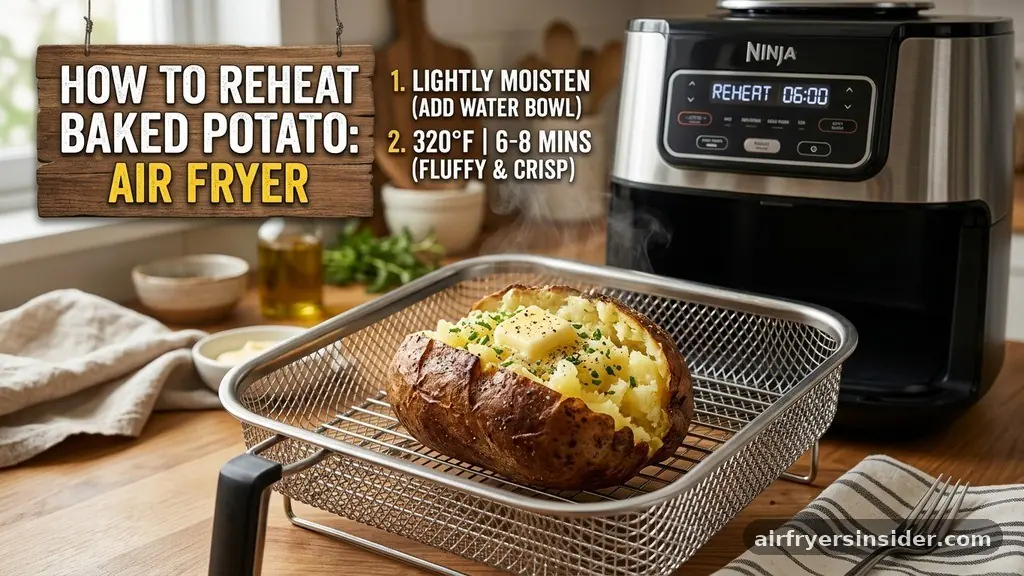
A common concern when using an air fryer is that the high-heat environment might dry out the interior of the potato. While the air fryer is designed to be dry, there are ways to manage the residual moisture within the potato.
If your potato seems particularly dry from the start, a very light spritz of water or a tiny bit of butter can help. However, be careful not to overdo it; the goal is to have a light, fluffy interior, not a steamed one.
If you are worried about the potato losing too much moisture, you can test the density by giving it a gentle squeeze before you start. A very dense potato will take longer to heat through, and you might want to use a lower temperature for a slightly longer duration.
This slower approach allows the moisture already present inside the potato to redistribute evenly, preventing the edges from becoming crunchy while the middle remains cold. Think of it as a gentle warming process rather than a rapid blast of heat.
Comparing Methods: Microwave vs. Air Fryer
To truly understand why the air fryer is superior for this task, it helps to compare it against the common alternative: the microwave. Many people use microwave steaming to reheat leftovers because it is fast, but the results are rarely satisfying for those who appreciate a good skin. The following table highlights the differences in final quality between these two common household appliances.
| Feature | Air Fryer | Microwave |
|---|---|---|
| Skin Texture | Crispy and firm | Soft and rubbery |
| Interior Fluffiness | Light and aerated | Dense and gummy |
| Heating Evenness | Consistent throughout | Often creates hot/cold spots |
| Time Required | 8-12 minutes | 2-3 minutes |
As the data suggests, the air fryer is clearly the winner when it comes to the overall dining experience. While the microwave is significantly faster, the trade-off in texture is usually not worth it if you enjoy the classic baked potato experience. If you are in a massive hurry, you could technically combine the two methods—nuking the potato for one minute to take the chill off before finishing it in the air fryer to crisp the skin—but for most, the air fryer alone is sufficient.
Common Mistakes to Avoid
Even with a simple process, there are a few pitfalls that can ruin your results. One of the most frequent mistakes is failing to preheat the air fryer.
Just like a standard oven, an air fryer needs to reach its target temperature before the food goes in. If you put a cold potato into a cold basket, the exterior will start to dry out before the internal temperature has a chance to rise, leading to a leathery skin that is unpleasant to eat.
Another common error is overcrowding the basket. If you are reheating multiple potatoes, ensure they are not touching. The rapid air circulation is what makes the magic happen; if the potatoes are stacked or packed too tightly, the air cannot flow between them.
This forces you to increase the cooking time, which inevitably leads to an unevenly heated product. If you have too many potatoes, it is better to reheat them in batches rather than trying to cram them all in at once.
Enhancing Your Leftovers with Toppings
Once you have perfected the reheating process, you have the perfect canvas for a variety of toppings. A reheated potato is an excellent base for a quick lunch or a hearty side dish.
Because the interior is perfectly fluffy, it will readily absorb butter and seasonings. Consider these common additions to upgrade your meal:
- Classic combination: A generous pat of butter, a dollop of sour cream, and a sprinkle of fresh chives.
- Protein-packed: Leftover chili or shredded rotisserie chicken topped with shredded cheddar cheese.
- Vegetarian delight: Steamed broccoli florets with a light drizzle of cheese sauce or nutritional yeast.
- Spiced up: A pinch of smoked paprika, garlic powder, and sea salt to give the skin an extra kick of flavor.
Using these toppings effectively can turn a simple leftover potato into a gourmet meal. The heat from the freshly reheated potato will melt the butter and cheese perfectly, creating a cohesive dish that feels freshly prepared. Always add these toppings immediately after the potato comes out of the air fryer to ensure everything is hot and ready to serve.
Troubleshooting Common Reheating Issues
If your potato still isn’t turning out the way you want, consider these troubleshooting tips. If the skin is too hard, you may have cooked it for too long or at too high a temperature.
Try reducing the time by a minute or two next time. Conversely, if the potato is still cold in the middle, you might have a very large potato that requires a lower temperature for a longer period.
Do not be afraid to use a knife to check the center. A quick slice through the middle will let you see if the potato is steaming and hot. If it needs more time, you can easily pop it back in for another two minutes.
Remember that every air fryer is slightly different, and the wattage of your machine will play a role in how quickly it heats. Treat your first few attempts as a learning experience to understand exactly how your specific machine handles this task.
Frequently Asked Questions
Can I reheat a baked potato with toppings already on it?
It is generally not recommended. Toppings like sour cream or fresh herbs will become watery or lose their texture when reheated. It is better to scrape off the toppings, reheat the potato in the air fryer to restore the skin, and then add fresh toppings afterward.
Is it necessary to preheat the air fryer before reheating?
Yes, preheating is beneficial. It ensures that the hot air starts crisping the skin immediately upon contact. Without preheating, the potato may begin to dry out before the center has a chance to warm up, resulting in a less desirable texture overall.
How do I know if the potato is fully reheated?
The best method is to use a kitchen thermometer to check that the center has reached 165°F. If you don’t have a thermometer, insert a knife or a fork into the thickest part of the potato; it should come out hot to the touch.
Will the skin get crispy if I reheat it in an air fryer?
Absolutely. The air fryer is excellent for restoring crispy skin because the rapid air circulation draws out moisture from the surface. As long as you do not wrap the potato in foil, the circulating hot air will effectively re-crisp the skin during the heating process.
Conclusion
Mastering the art of reheating a baked potato in an air fryer allows you to enjoy the same quality as a freshly cooked meal, even when you are working with leftovers. By prioritizing consistent airflow, avoiding the use of foil, and keeping an eye on your internal temperature, you can avoid the common pitfalls of soggy or unevenly heated food.
This method effectively balances the need for a crispy exterior with a light, fluffy interior, proving that leftovers don’t have to be a compromise. With these techniques in your kitchen repertoire, you can confidently prepare larger batches of potatoes knowing that the second serving will be just as delicious as the first.
Meta Description: Learn how to reheat a baked potato in an air fryer to achieve a perfectly crispy skin and fluffy interior, avoiding the rubbery texture of microwave heating.


