Many people wonder if they can reheat food in an air fryer to avoid the soggy, limp textures often produced by a standard microwave. The answer is a resounding yes, and for many dishes, it is significantly superior to other kitchen appliances. By utilizing rapid hot air circulation, this compact appliance restores the crunch and flavor of leftovers that would otherwise lose their appeal.
Whether you are dealing with cold slices or last night’s roasted vegetables, mastering the settings ensures your meal tastes fresh rather than tired. Understanding how to adapt your approach will transform your leftover game, turning yesterday’s dinner into today’s culinary win.
Why the Air Fryer Outperforms the Microwave
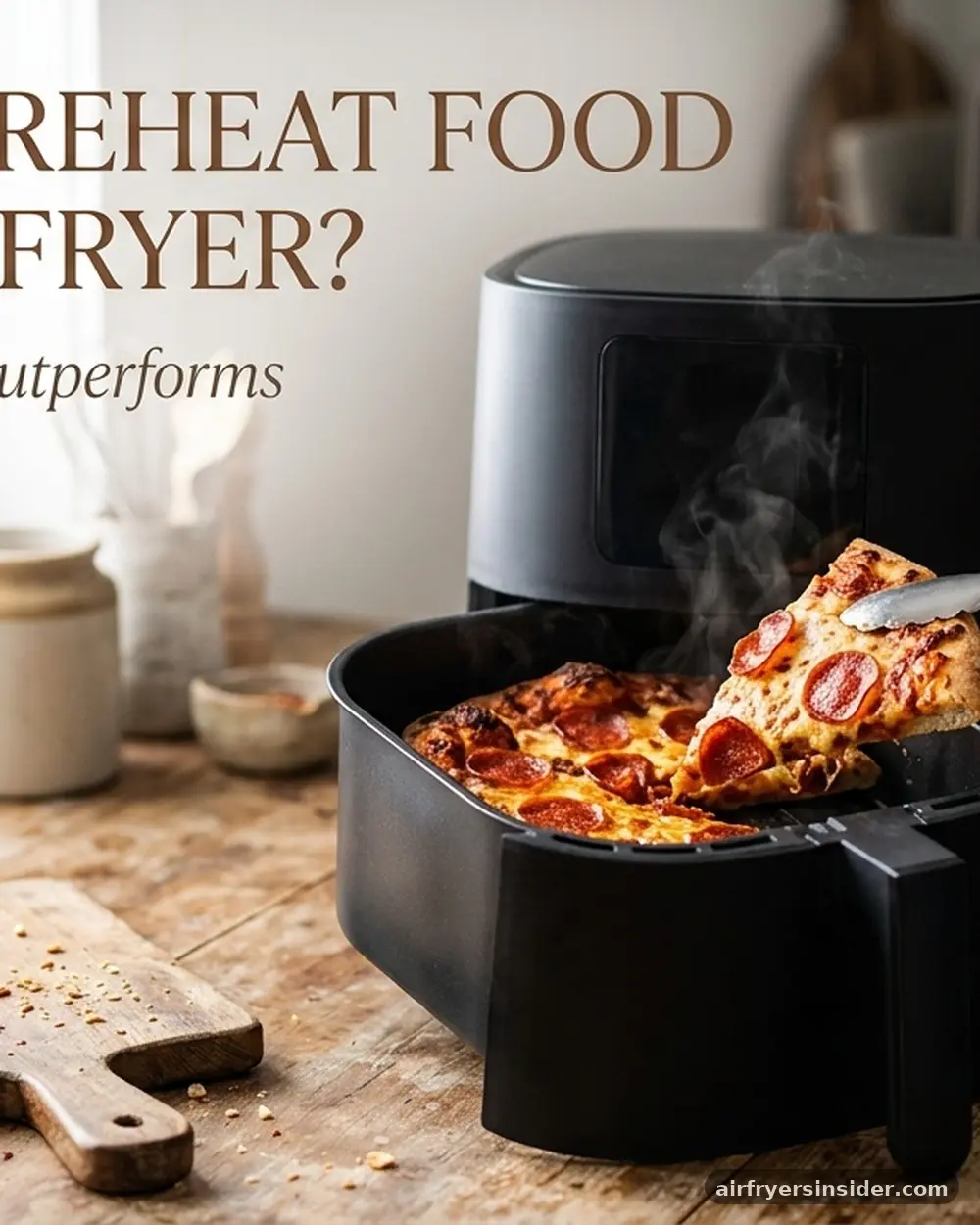
When you consider whether you can reheat food in an air fryer, the primary draw is the texture. Microwaves rely on agitating water molecules, which often results in soggy, limp textures, especially with breaded items or crusts. In contrast, an air fryer functions like a high-powered convection oven.
Its internal fan forces hot air to circulate rapidly around the food, effectively dehydrating the surface just enough to recreate that initial crunch. This process is essential for maintaining the integrity of dishes that rely on a contrast between a crispy exterior and a tender interior.
Beyond texture, the air fryer excels at preserving the structural integrity of your meal. Because it doesn’t rely on steam-heavy heating, your food won’t turn into a rubbery or chewy version of its former self. This method is particularly effective for items that have lost their moisture balance in the refrigerator.
By applying dry, intense heat, you allow the food to regain its original profile without turning the plate into a puddle of condensation. It is a precise way to manage heat distribution, ensuring that every bite feels intentionally prepared rather than merely warmed up.
Optimizing the Maillard Reaction for Better Flavor
One of the scientific secrets behind why air-fried leftovers taste so good is the Maillard reaction. This chemical reaction between amino acids and reducing sugars gives browned food its distinctive, savory flavor. Microwaves rarely get hot enough or dry enough to trigger this reaction, leaving food tasting flat and one-dimensional.
When you use an air fryer, the high heat hits the surface of the food, browning and caramelizing the exterior. This process is key to enhancing their natural flavors, making the food taste like it was just pulled from a professional kitchen.
You will notice this effect most prominently on proteins and starches. A piece of reheated steak or a slice of breaded chicken will develop a much deeper, more complex flavor profile when subjected to this rapid heat.
The air circulation ensures that this browning is even, preventing the localized hot spots that often ruin food in a traditional oven. By focusing on the temperature and duration, you can effectively “reset” the flavor profile of your leftovers, bringing back the savory notes that usually fade after a day in the fridge.
Best Foods to Reheat for Maximum Results
While almost anything can be placed in the basket, some items benefit more than others. Breaded food, such as chicken tenders or mozzarella sticks, is the gold standard for this method. Because the air fryer mimics deep-frying, it restores the crunch that is otherwise lost to moisture absorption in the fridge.
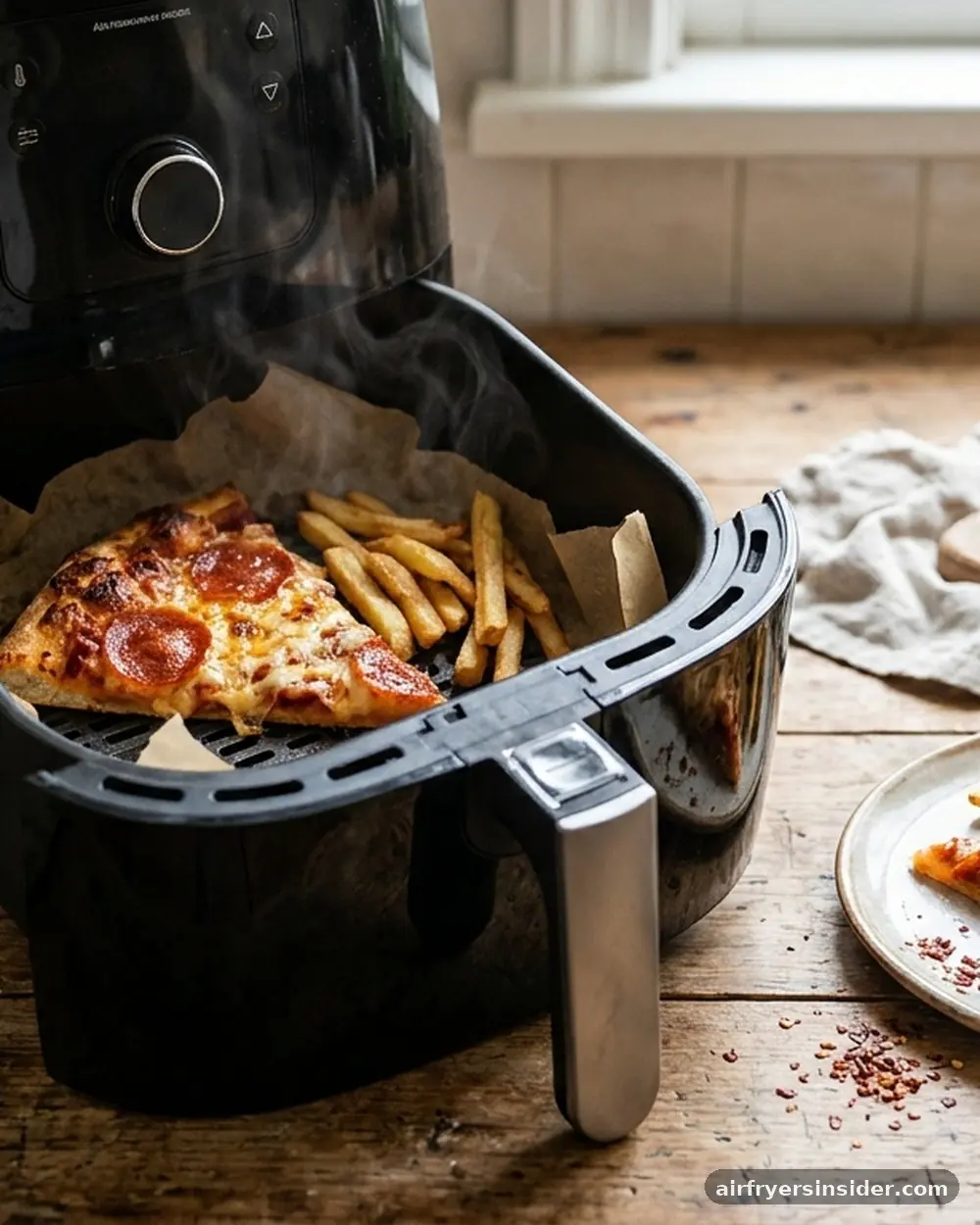
Leftover pizza is another standout candidate. Unlike the microwave, which turns the crust into cardboard, the air fryer makes the dough crispy again while melting the cheese perfectly.
Roasted vegetables also perform exceptionally well. Rather than steaming them into mush, the air fryer gives them a light char that mimics the initial roasting process. If you are working with heavier items, such as thick cuts of meat or dense casseroles, you might need to adjust your technique.
These items take longer to heat through, so you should aim for a lower temperature to prevent the outside from drying out before the center is warm. Always consider the fat content of the food, as higher fat items will crisp up faster and may require less time.
Recommended Settings and Techniques
Achieving the perfect reheat requires more than just pushing a button. For most leftovers, you should aim for a range between 320°F and 350°F. This is high enough to generate heat but low enough to prevent burning the exterior before the core warms up.
If you are dealing with very delicate items, drop the temperature even lower to ensure a gentle, even heat distribution. The goal is to warm the food through without overcooking the outer layers, which can quickly lead to a dry, unappealing meal.
Ideal Temperature Ranges for Common Leftovers
| Food Type | Recommended Temp | Estimated Time |
|---|---|---|
| Pizza | 350°F | 3-5 Minutes |
| Fried Chicken | 360°F | 6-8 Minutes |
| Roasted Veggies | 375°F | 4-6 Minutes |
| Thick Meats | 320°F | 8-10 Minutes |
When working with these settings, remember that air circulation is your best friend. Do not overcrowd the basket, as this blocks the airflow and results in uneven heating.
If you have a large amount of food, it is better to reheat in smaller batches. This ensures that every piece receives the same amount of direct heat, resulting in a consistent texture across your entire serving.
Avoiding Common Pitfalls
Many users encounter issues because they treat the air fryer exactly like a microwave, expecting instant results. One of the most common mistakes is not preheating the unit. While it is not strictly necessary for fresh cooking, preheating helps when reheating to ensure that the food begins crisping the moment it hits the basket.
Another pitfall is ignoring the state of the food. If your leftovers are frozen, you must account for the extra time needed to thaw and heat.
You should also be cautious with lightweight items. Because the heating element is powerful and the fan moves air at high speeds, small items like leafy greens or thin slices of bread can be blown around the basket. This can cause them to hit the heating element, leading to smoking or burning.
To prevent this, consider placing a small piece of parchment paper or a metal rack over lightweight food to hold it in place. Always monitor your food during the last few minutes of the cycle to avoid accidental charring.
Safety Considerations and Internal Temperature
When reheating food, safety is just as important as taste. You must ensure that the internal temperature reaches a safe level to kill any potential bacteria that may have grown during storage. For most leftovers, this means an internal temperature of at least 165°F.
While the air fryer is excellent at getting the outside hot, it can sometimes leave the center cold if you move too quickly. Using a meat thermometer is the only way to be absolutely certain that your food is safe to consume.
This is particularly critical for poultry and ground meats. If you are reheating a large portion, cut it into smaller pieces to allow the heat to penetrate the center more efficiently. Food safety is not a guessing game; relying on visual cues like “it looks hot” can be misleading.
By checking the core temperature, you protect yourself from foodborne illness while ensuring your meal is properly heated throughout. If the center remains cold, simply return it to the basket for an additional minute or two at a lower setting.
Addressing Topical Gaps in Reheating Knowledge
A common question that often goes unanswered is how to handle liquids or sauces while using this appliance. The air fryer is a dry-heat method, so it is not suitable for reheating soups, stews, or heavy sauces.
Attempting to do so will result in a mess and potential damage to the heating element. If you have a meal that includes a sauce, it is best to remove the solid components, reheat them in the air fryer, and warm the sauce separately on the stove or in a microwave.
Another gap involves the use of accessories. Many people are unsure if they can use foil or parchment paper. Using a liner is perfectly safe as long as it does not obstruct the air circulation.
If you cover your food entirely, you negate the benefits of the air fryer, essentially turning it into a tiny oven. Always leave space around the sides of the basket to allow the air to flow freely. If you are using parchment paper, ensure it is weighted down by the food so it does not fly up and touch the heating element, which is a fire hazard.
Mastering the Art of the Crisp
To truly master the reheat, you need to understand how to manipulate the environment inside your machine. If you find that your food is drying out too quickly, you can lightly mist it with water or a tiny amount of oil before it goes in.
This moisture helps steam the interior slightly while the hot air creates the crust. It is a delicate balance, but once you find the right ratio for your specific machine, you will never go back to the microwave.
* Always shake the basket halfway through for smaller items to ensure even distribution.
* Use a light spray of oil for breaded items to help them brown evenly.
* Let the food sit for one minute after removing it from the basket to allow the crust to set.
* Avoid using plastic containers or non-oven-safe dishes inside the basket.
Consistency is key when working with these appliances. Because every air fryer has a slightly different fan speed and heating element placement, your first few attempts might require some trial and error.
Keep a small notebook or a mental note of which temperatures work best for your favorite dishes. Over time, you will develop an intuitive sense of how long a specific portion of food needs to reach that perfect, crispy state.
FAQ Section
How can I prevent my food from drying out in the air fryer?
To keep moisture inside, lightly spritz your food with water or a tiny amount of oil before heating. This creates a protective barrier that allows the exterior to crisp up while keeping the interior juicy and tender throughout the process.
Is it safe to use aluminum foil in an air fryer?
Yes, you can use aluminum foil as long as it is secured to the bottom of the basket and does not block the airflow. Avoid letting the foil touch the heating element, as this can cause smoke or fire hazards during operation.
How do I reheat pizza without making it too hard?
Set your air fryer to 350°F and heat for 3 to 5 minutes. If you prefer a softer crust, add a few drops of water to the bottom of the basket, which creates a gentle steam environment that prevents the crust from becoming overly crunchy or brittle.
Can I reheat multiple types of food at once?
You can, provided they have similar cooking times and temperatures. However, be aware that flavors can transfer between items. It is generally better to reheat foods with similar flavor profiles together to ensure that one item doesn’t overpower the taste of the others.
Final Thoughts on Reheating
Learning how to utilize your air fryer for leftovers is one of the most practical kitchen skills you can develop. By prioritizing the balance of temperature and airflow, you can reclaim the quality of your meals, ensuring that even the simplest leftovers become a satisfying experience.
Whether you are aiming for that perfect crunch on your favorite pizza or trying to bring life back to roasted vegetables, the air fryer is a versatile tool that rarely disappoints. Take a moment to experiment with your specific model, adjust your timings, and enjoy the convenience of high-quality, hot, and crispy food every single time you sit down to eat.
Meta Description: Discover if you can reheat food in an air fryer to achieve perfect, crispy results. Learn the best settings, safety tips, and techniques for leftovers.