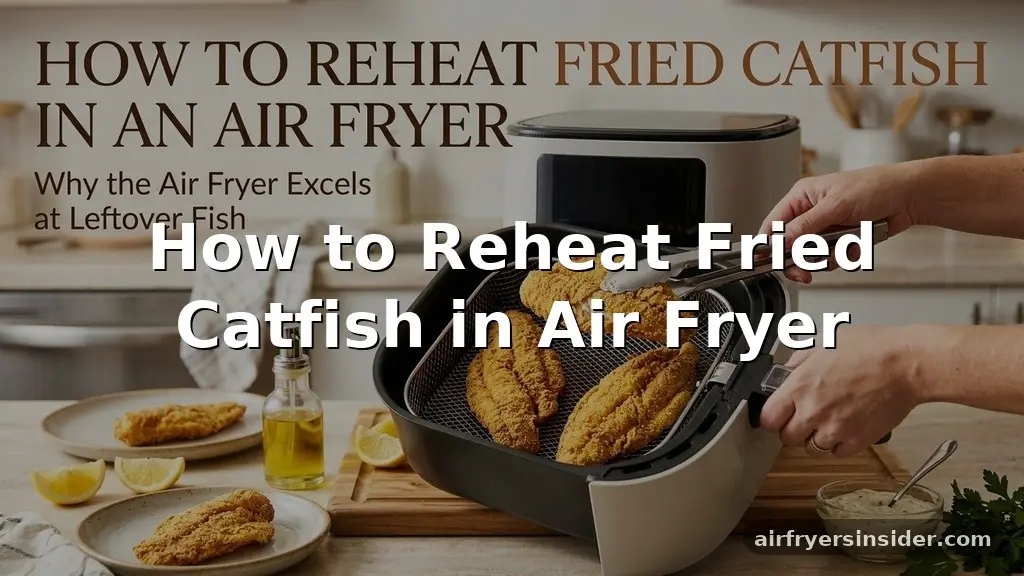
Finding the best way to reheat fried catfish in air fryer setups can save you from the disappointment of mushy, flavorless leftovers. When you have a perfectly seasoned fillet left over from a Southern-style dinner, the goal is to restore that signature crunch without drying out the delicate meat inside.
Many home cooks struggle with microwave methods that turn breading into a rubbery mess, but the air fryer provides the precise, circulating heat needed to revive your meal. With the right technique, your leftovers will taste nearly as good as the first time they were pulled from the hot oil.
Why the Air Fryer Excels for Leftover Fish
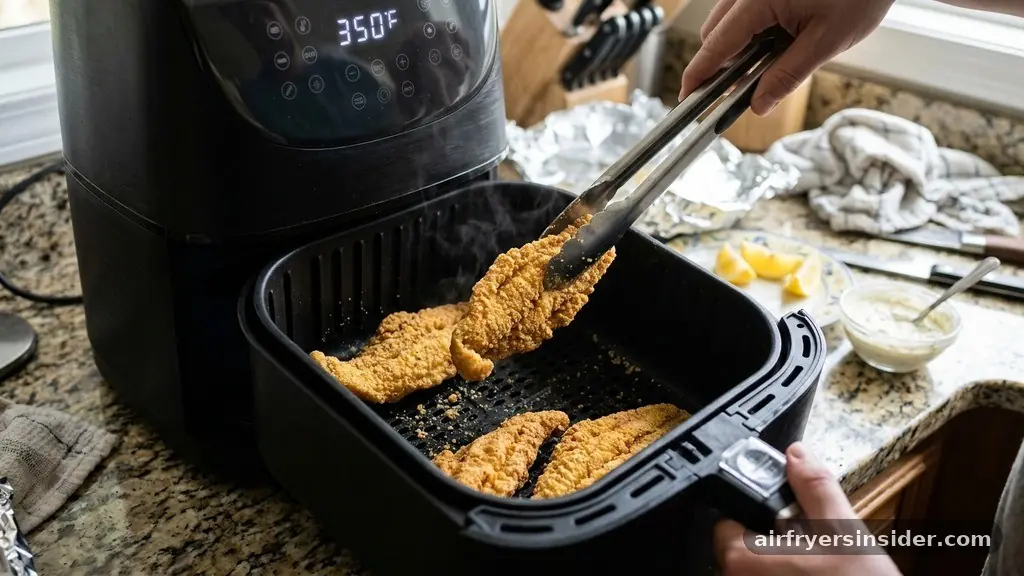
The primary reason to use an air fryer for your leftover seafood is the way it mimics a professional deep fryer’s environment. Unlike a standard microwave, which vibrates water molecules and creates steam, the air fryer uses rapid convection to circulate hot air around the food.
This movement of air is critical because it dehydrates the surface of the breading just enough to bring back that crispy texture without overcooking the fish. When you reheat fried catfish in air fryer baskets, you are essentially re-frying it with heat rather than oil.
Traditional ovens can also do a decent job, but they often take much longer to preheat and struggle to penetrate the thick layers of cornmeal breading effectively. An air fryer is smaller and more efficient, meaning the heat is concentrated directly on the fillet.
This intensity helps melt the fats back into the coating, which is essential for reviving the flavor profile. If you have ever dealt with a soggy, limp piece of fish after using a microwave, you will immediately notice the difference in structural integrity when switching to air frying.
Understanding Ideal Temperature and Timing Settings
To successfully revive fried catfish, you must balance heat intensity with duration. If you use a temperature that is too high, you risk burning the outside before the center reaches a safe, warm temperature.
Conversely, if it is too low, the fish will sit in the basket for too long, losing its internal moisture and becoming tough. For most standard air fryers, setting your device to 350°F to 375°F is the sweet spot for reheating breaded items.
Timing depends heavily on the thickness of the fillet. A thin piece of catfish might only require three to four minutes, while a thick, meaty portion might need up to six or seven minutes to heat through. It is always better to start with a shorter duration and check the progress.
You can easily add an extra minute, but you cannot fix a fillet that has been accidentally dried out by excessive heat. Always keep a close eye on the color of the crust; as soon as it looks golden and the breading feels firm to the touch, it is ready to eat.
Steps for Achieving Crispy Results
Getting the best results starts with how you arrange the food in your basket. Airflow is the most important factor in the entire process.
If you overcrowd the basket, the air cannot circulate properly, which creates steam, resulting in a soggy, unappealing texture. Ensure that each piece of fish has enough space around it so that the hot air can reach every side of the breading.
Follow these simple steps to ensure your meal remains delicious:
- Preheat your air fryer for at least three minutes to ensure the chamber is at the correct temperature before the fish enters.
- Place the fillets in a single layer, making sure they do not overlap.
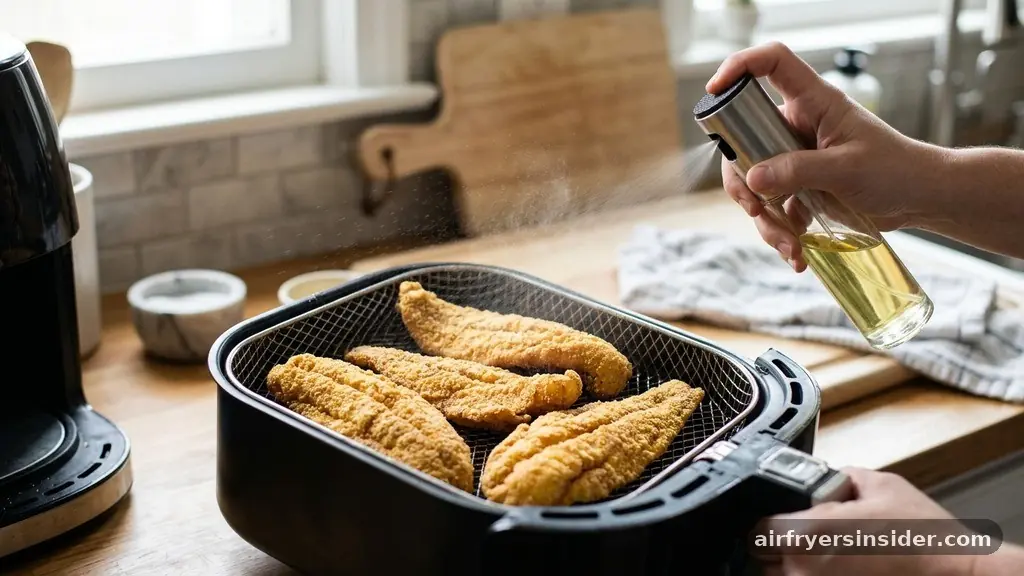
- Lightly spritz the fish with a tiny amount of cooking oil spray if the breading looks particularly dry, though this step is often optional.
- Cook for three minutes, then flip the fillets carefully to ensure even crisping on both sides.
- Continue cooking for another two to four minutes, checking for your preferred level of crunch.
- Let the fish rest on a wire rack for sixty seconds after removing it from the basket to allow the crust to set.
Managing Moisture Levels During Reheating
One of the biggest risks when reheating seafood is the loss of internal moisture. Catfish is known for its mild flavor and tender flesh, but it can turn chalky if the proteins are over-processed. The air fryer is efficient, but because it works by blowing hot air, it can naturally pull moisture out of the food.
To counteract this, some cooks prefer to use a light coating of oil spray before starting the machine. This adds a protective layer that helps the cornmeal breading crisp up without drawing out too much internal juice.
It is also important to consider the state of the fish before it goes into the machine. If the catfish was stored in an airtight container, it might have absorbed some condensation.
Taking the fish out of the refrigerator ten minutes before reheating can help take the edge off the cold, allowing it to heat through more evenly. If you find the fish is still cold in the center after the crust has reached the desired crunch, you can lower the heat slightly and cover the fish loosely with foil for the final two minutes, though this should be a last resort.
Essential Tips for Success
Preparation is half the battle when it comes to maintaining quality. If you know you are going to be reheating your fish later, try to store it in a way that minimizes moisture buildup.
Placing a paper towel at the bottom of your storage container can absorb excess liquid that would otherwise make the breading mushy. When you are ready to heat it up, use air fryer-safe parchment paper to line the basket if you are worried about the breading sticking, but avoid using too much, as it can block the airflow from the bottom vents.
Another pro tip involves the use of a meat thermometer. While many people skip this for leftovers, inserting a probe into the thickest part of the fillet can give you confidence. You are looking for an internal temperature of about 145°F to ensure it is thoroughly heated without being overdone.
If you are serving your catfish with a side of coleslaw or fries, reheat those separately to avoid uneven cooking times. Keeping the fish separate from other sides ensures that the breading stays as crispy as possible throughout the process.
Comparing Reheating Methods
It is helpful to understand how the air fryer stacks up against other common kitchen appliances. Each method has its own set of trade-offs regarding texture, speed, and flavor retention.
| Method | Texture | Speed | Best For |
|---|---|---|---|
| Air Fryer | Very Crispy | Fast | Restoring original crunch |
| Oven | Moderately Crispy | Slow | Large batches |
| Microwave | Soft/Soggy | Very Fast | None (Avoid) |
| Stovetop | Oily | Medium | Quick fixes |
As shown in the table, the air fryer is clearly the superior choice for maintaining the integrity of the breading. While you can use the oven for large batches, the air fryer’s speed ensures that the fish does not sit in the heat long enough to lose its internal tenderness. The microwave should generally be avoided at all costs, as it destroys the delicate texture of the cornmeal coating.
Common Mistakes to Avoid
Even with the right equipment, it is easy to make small errors that compromise the final product. One common mistake is not preheating the device.
If you put the cold fish into a cold basket, the breading will start to soften as the unit warms up, making it much harder to achieve a crisp finish later. Always give your machine those few minutes to come up to temperature before dropping in your leftovers.
Another issue is the use of too much oil. While a light spray can help, drenching the fish in oil will result in a greasy, heavy mess that masks the flavor of the catfish. Remember that the original frying process already infused the breading with plenty of fat.
You are only trying to crisp the exterior, not re-fry the entire fillet from scratch. Finally, don’t ignore the importance of resting your fish.
Just like a steak, the proteins in fish need a moment to settle after being exposed to high heat. Giving it a minute on a cooling rack allows the moisture to redistribute, leading to a better eating experience.
Addressing Frequently Asked Questions
Is it better to reheat fried fish in the oven or air fryer?
The air fryer is significantly better for reheating fried fish because it uses forced convection to mimic the original frying process. This restores the crispy texture of the breading much more effectively than a standard oven, which often leaves the coating slightly soft or dry.
Can you warm up battered fish in an air fryer?
Yes, you can warm up battered or breaded fish in an air fryer quite successfully. The key is to use a moderate temperature, around 350°F, and ensure the pieces are spread out in a single layer to allow for proper airflow during the reheating process.
How do I stop the fish from drying out while reheating?
To prevent the fish from drying out, avoid reheating it for too long. Stick to a lower temperature setting and check the fish frequently. If you are concerned about moisture, a very light mist of oil before cooking can help protect the surface of the breading.
What is the best way to reheat catfish if I don’t have an air fryer?
If you don’t have an air fryer, you can use the oven. Place the fish on a wire rack set inside a baking sheet to allow air to circulate underneath. Preheat the oven to 375°F and bake for about 8 to 10 minutes until the crust is crisp.
Conclusion
Mastering the art of reheating fried catfish in air fryer appliances is a simple way to extend the life of your favorite meals. By focusing on consistent airflow, appropriate temperature settings, and avoiding the urge to overcrowd your basket, you can enjoy that satisfying crunch long after the initial meal has passed. The key is to respect the delicate nature of the fish while utilizing the convection power of the air fryer to revive the breading.
With these techniques, you will never have to settle for soggy leftovers again. Experiment with your timing based on your specific machine, and you will soon find the perfect balance for your kitchen routine. Enjoy your perfectly revived catfish whenever you crave a taste of that crispy, golden goodness.