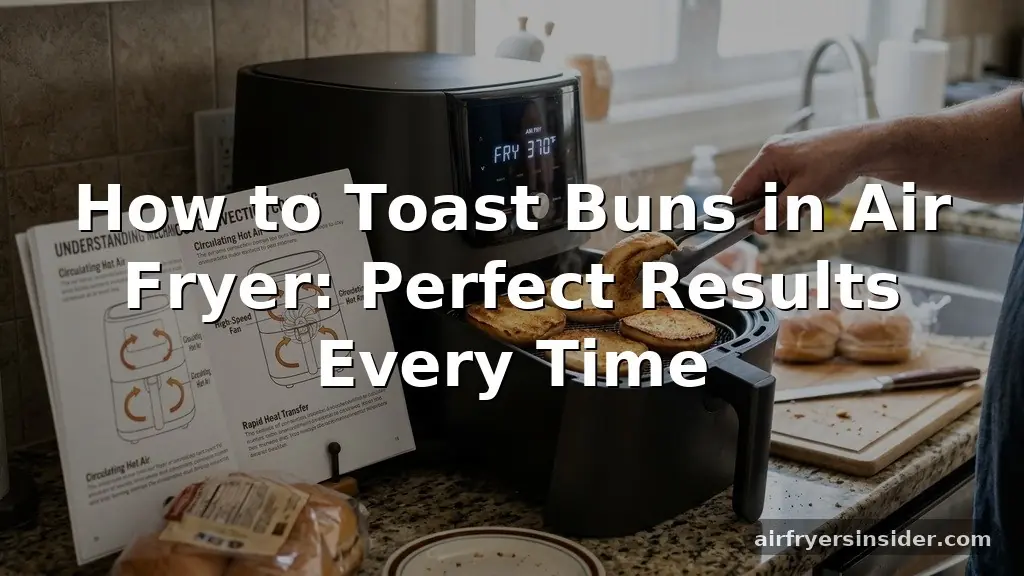
Getting the perfect crunch on your bread without sacrificing the soft center is the hallmark of a great sandwich. Learning how to toast buns in air fryer units has become a favorite kitchen hack because it delivers that bakery-fresh quality in mere seconds.
Unlike a traditional toaster that often crushes delicate rolls, the air fryer uses rapid hot air to achieve a uniform, golden brown finish. Whether you are prepping for a backyard barbecue or a quick weeknight dinner, mastering this method ensures your burger buns or hot dog rolls stay crispy on the outside while remaining delightfully fluffy on the inside.
Understanding the Mechanics of Convection Cooking
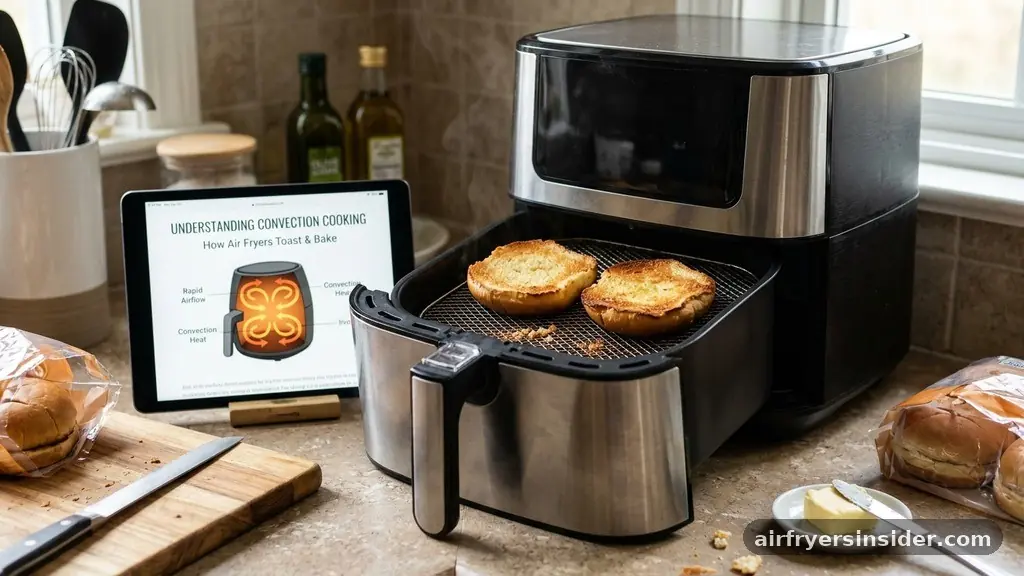
The magic behind the air fryer lies in its ability to mimic high-end convection ovens on a smaller, more efficient scale. When you place items in the appliance, the internal fan forces hot air to circulate rapidly around the food.
This movement of air is what creates the crisp texture we crave in toasted bread. Because the heat is distributed evenly, you avoid the uneven charring often associated with stovetop pans or standard pop-up toasters.
When you are toasting buns in an air fryer, the goal is to drive moisture out of the outer layer of the bread while trapping it within the crumb. This is the secret to achieving a professional-grade bite.
If you use too high a heat, the exterior will turn into a crouton before the inside warms up. By keeping the air fryer temperature moderate, you allow the heat to penetrate slowly, ensuring the entire bun reaches the ideal temperature without becoming overly dry or brittle.
Optimizing Your Air Fryer Temperature and Timing
Finding the sweet spot for your specific machine is crucial for consistent results. Most air fryers are quite powerful, so it is easy to overdo it if you aren’t careful.
For a standard bun, set your appliance to 350°F (175°C). This temperature is high enough to facilitate the Maillard reaction—which causes the browning—without burning the sugars in the dough too quickly.
Regarding the cook time, it is rarely more than three minutes. Start by checking the buns at the two-minute mark. Because different models have varying levels of air circulation, some machines will toast faster than others.
If you notice your buns are getting too dark on the edges, reduce the heat by 25 degrees for your next batch. Keeping an eye on the color is more important than sticking rigidly to a timer, as the visual shift from pale to golden brown happens quite rapidly during the final seconds.
The Art of Buttering for Better Browning
While you can toast buns dry, applying a thin layer of fat is the best way to ensure an even, deep golden color. Butter is the classic choice, but mayonnaise is an underrated alternative that many chefs swear by. Mayonnaise has a higher smoke point and contains egg and oil, which helps create a beautiful, uniform crust that protects the bread from absorbing too much moisture from your burger patties or condiments later on.
To apply, use a pastry brush or a butter knife to spread a light, even coating on the cut side of your burger buns or brioche rolls. Avoid using too much, as excess fat can drip through the air fryer basket and cause smoke.
A light sheen is all you need. If you are using salted butter, the extra seasoning will enhance the savory notes of the bread, creating a much more flavorful foundation for your sandwich.
Managing Air Circulation and Basket Capacity
The air fryer basket is designed for airflow, but it is not a magic wand. If you stack your buns or crowd the basket too tightly, the air cannot reach all surfaces.
This results in patches that remain soft or even cold, while other areas might get scorched. Always arrange your buns in a single layer with a little bit of space between each one to allow the convection heat to do its job properly.
If you are toasting a large volume of hot dog buns for a party, it is far better to work in smaller batches. While it might seem like a hassle to run the machine twice, the quality of the toast will be significantly higher. When the air can circulate freely around each bun, the moisture retention inside the bread is much better managed, preventing the bun from turning into a dry, crumbly mess.
Solving Common Issues Like Dryness and Charring
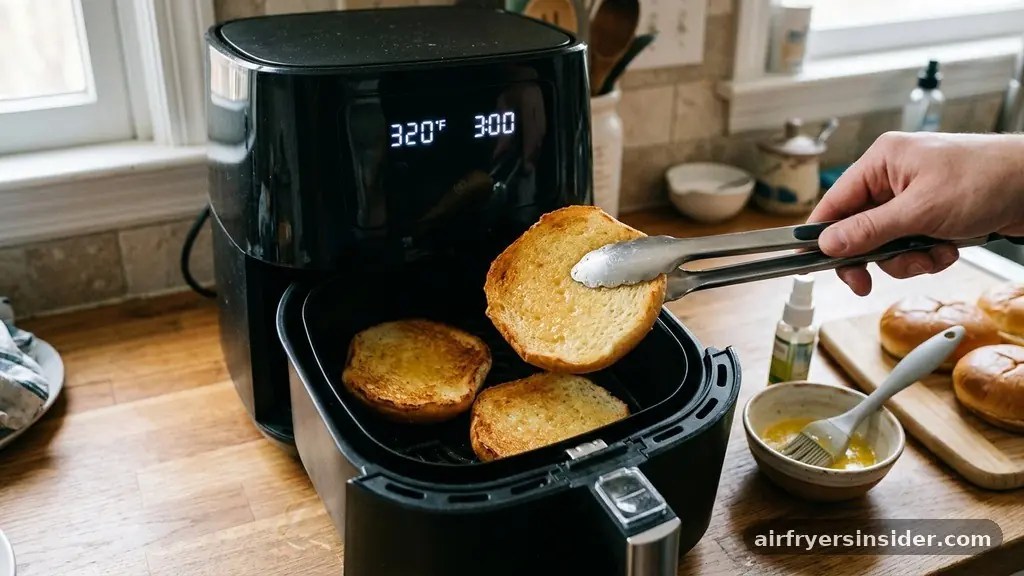
One of the biggest complaints when people first start using this method is that the buns come out too dry. This usually happens because the heat is on for too long or the temperature is set too high.
To combat this, you can lightly mist the buns with a tiny bit of water or use a damp paper towel in the basket if you are only warming the bread rather than crisping it. However, for a proper toast, the fat-based coating mentioned earlier is your best defense against moisture loss.
If you find that your buns are browning on the edges before the center is done, try placing a piece of parchment paper at the bottom of the basket. While this can slightly impede airflow, it also prevents the buns from making direct contact with the hot metal grate, which can sometimes cause localized burning. Always ensure the parchment paper is weighed down by the buns so it doesn’t fly up into the heating element, which is a significant safety hazard in many kitchen appliances.
Comparing Toasting Methods for Bread Products
Choosing the right tool for the job often depends on what you have available and the specific texture you are trying to achieve. While the air fryer is excellent for speed and crispiness, other methods offer different benefits. The following table breaks down how different kitchen appliances handle the task of preparing buns for your meal.
| Method | Texture Result | Efficiency | Best For |
|---|---|---|---|
| Air Fryer | Ultra-crispy exterior | High (2-3 mins) | Burgers and sliders |
| Stovetop | Buttery, dense crust | Medium (3-5 mins) | Brioche rolls |
| Oven/Broiler | Even, light crunch | Low (5-8 mins) | Large quantities |
| Toaster | Dry, uniform crisp | High (1 min) | Standard slices |
Addressing Common Topical Gaps
Many enthusiasts often wonder if they can toast frozen buns or how to handle specialty breads like sesame seed buns. Yes, you can toast frozen buns directly in the air fryer. Simply add an extra minute to your cook time and keep the temperature at 325°F to ensure the center thaws before the outside burns.
For sesame seed buns, be mindful that the seeds are prone to burning. Lowering the rack if possible or reducing the heat slightly will keep the seeds intact while still giving you that satisfying crunch.
Another gap often overlooked is the importance of resting. Once you take the buns out of the air fryer, let them sit on a wire rack for about thirty seconds. This short pause allows the steam to redistribute.
If you load a steaming hot bun with cold ingredients immediately, the surface can turn soggy within seconds. Giving it that brief moment to set ensures the crisp texture lasts through the entire meal.
Essential Tips for Specific Bun Varieties
Not all bread is created equal, and your strategy should shift based on the type of roll you are using. Brioche rolls, for instance, are high in sugar and fat, meaning they brown much faster than standard white rolls.
You should check these at the 60-second mark to avoid accidental burning. Conversely, thicker, heartier artisan rolls can handle a slightly longer duration at a higher temperature to achieve a deep, rustic crust.
If you are working with hot dog buns, they can be tricky because of their shape. They have a tendency to tip over in the basket. If you can, stand them up against each other or use a small metal rack to keep them upright.
This ensures the cut side gets the full benefit of the convection heat. If you lay them flat, ensure the cut side is facing up toward the heating element for the duration of the cycle.
Refining Your Technique for Consistent Quality
Consistency is built on observation. Because every air fryer has a different heating element placement and fan strength, your first few attempts should be treated as tests. Take note of your appliance settings and how your specific model reacts to the bread.
If you find yourself consistently getting great results, stick to those exact parameters. If you notice a trend of over-browning, don’t be afraid to adjust your process.
Remember that the goal of toasting is to enhance the experience, not to create a hard shell that makes the bun difficult to eat. The perfect toasted bun should offer a gentle resistance when you take a bite, followed immediately by the soft, pillowy interior. By mastering the balance of heat, fat, and time, you will find that your sandwiches are significantly improved, making your home-cooked meals feel like they came straight from a gourmet kitchen.
Frequently Asked Questions
Can I toast buns in an air fryer with the burger patty?
It is generally not recommended to toast the buns at the same time as the meat. The fat rendered from the burger will make the buns greasy and soggy, and the cook times are usually vastly different, leading to either burnt bread or undercooked meat.
How do I keep the buns from flying around in the air fryer?
The high-velocity fan in some air fryers can blow light items like buns around. If this happens, place a small piece of metal rack or a heavy-duty stainless steel mesh over the buns to hold them in place. Avoid using lightweight parchment paper that isn’t weighed down.
Is it necessary to preheat the air fryer for buns?
Preheating is highly recommended. Because the toasting process is so quick, you want the air to be at the target temperature the moment the buns enter the basket. Starting in a cold machine means the bread will dry out before it actually starts to brown.
How do I reheat leftover buns in the air fryer?
To reheat, set the temperature to 300°F for about one to two minutes. If they are slightly stale, a very light spritz of water can help rehydrate the crumb before the heat crisps the surface back up. Watch them closely, as they will dry out much faster than fresh ones.
Mastering the Perfect Toast
Achieving that ideal contrast between a crispy, golden surface and a soft, warm interior is entirely within reach when you know how to leverage your appliance. By focusing on moderate temperatures, using a light coating of fat, and ensuring proper airflow, you can elevate even the simplest meal. Remember to keep an eye on your bread during those final moments, as the transition from perfectly toasted to overdone happens quickly.
With a little practice, this method will become a reliable part of your routine. Experiment with different types of rolls and butter variations to find your personal preference, and enjoy the improved texture and flavor in every sandwich you prepare.